



Moving in 2026 is more complex than ever. Costs are rising, schedules are tighter, and competition for reliable moving companies is increasing every month. Because of this, even small moving mistakes can quickly turn into major stress, delays, and unexpected expenses.
Most people don’t realize how much planning a move actually requires until they are already overwhelmed. The truth is simple: moving problems don’t start on moving day; they start much earlier during preparation.
“A smooth move is never accidental; it is always the result of early planning and smart decisions.”
Let’s discuss the most serious moving mistakes in 2026 and find out how to avoid them practically.
Key Takeaways
- Most moving mistakes happen due to poor planning, not on moving day
- Costs can increase by 25–40% without proper budgeting
- Lack of research is a major cause of relocation issues
- Packing mistakes lead to damage and delays
- Decluttering reduces moving load by up to 30%
- Early preparation improves pricing and availability
What Makes Moving Riskier in 2026
Moving decisions now require more attention than before because even small delays or wrong assumptions can affect costs, availability, and service quality.
Here are some of the biggest issues making moves riskier in 2026:
- Rising and unstable pricing: Moving costs can fluctuate by 15–30% due to fuel, demand, and seasonal pressure, making budgets less predictable.
- Limited availability of trusted movers: Reliable movers are booked 3–6 weeks in advance, leaving fewer safe options for last-minute planning.
- Too much online confusion: Users face 100+ listings and ads for the same service type, which makes it harder to identify genuine companies quickly.
- Hidden service differences: Around 40% of complaints come from unclear service inclusions that only become visible after booking.
- Timing mistakes matter more: Even a delay of 7–10 days in booking can significantly reduce availability and increase pricing pressure.
The Biggest Moving Mistakes to Avoid in 2026
Below are the most common mistakes people still make during relocation, along with practical ways to avoid them.
Mistake 1: Starting the Moving Process Too Late
Many people delay planning because they think moving is just packing boxes. But a proper move includes research, budgeting, scheduling, and organizing everything step by step.
In 2026, around 60% of last-minute movers pay 20–35% more due to limited availability and urgent bookings. Late planning also reduces access to trusted movers.
How to avoid this mistake:
Don’t just “start early”; break your move into decision phases: booking, sorting, packing, and confirmation. Most people fail because they try to do everything at once instead of locking priorities step by step.
Treat your move like a project timeline, not a single task. Once you finalize movers early, everything else becomes 50% easier to control.
Don’t let this mistake ruin your move, read these helpful guides below.
When Should You Start Packing for a Move?
Mistake 2: Not Creating a Moving Budget
One of the most overlooked common moving mistakes is not planning expenses properly. People usually focus only on mover quotes and ignore hidden costs like supplies, travel, or extra services.
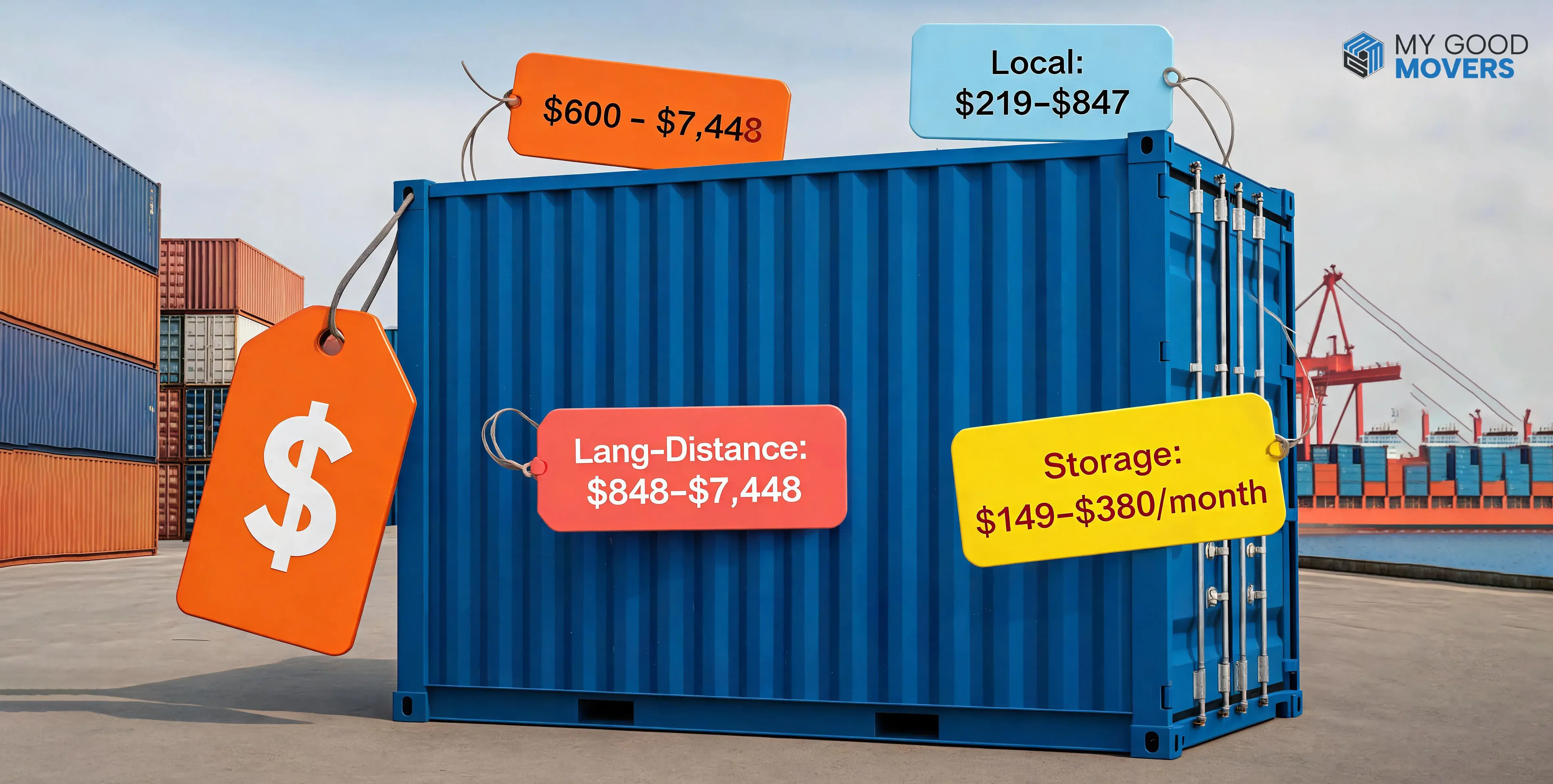
In 2026, average relocation costs range between $4,200 and $9,800, but poor budgeting increases total spending by 25–40%.
How to avoid this mistake:
- List all expected expenses
- Add emergency buffer (10–15%)
- Track spending clearly
- Compare estimates before booking
- Use a moving cost calculator
Don’t let this mistake ruin your move, read these helpful guides below.
Mistake 3: Hiring Movers Without Proper Research
This is one of the riskiest mistakes because it directly affects your belongings. Many people choose movers without checking reviews, licenses, or experience.
Research shows that nearly 1 in 5 customers face issues due to unverified moving services.
How to avoid this mistake:
Don’t rely only on reviews. Cross-check license, complaint history, and service patterns across multiple platforms. Many fake companies look perfect online but fail in operational consistency.
The safest approach is comparing at least 3 movers and focusing on behavior patterns (response time, transparency), not just ratings.
Don’t let this mistake ruin your move, read these helpful guides below.
How to Choose a Reliable Moving Company
Questions to Ask Before Hiring Movers
Red Flags to Watch for When Hiring Movers
How to Check if a Moving Company Is Legit
How to Choose Movers Based on Reviews
How to Find the Best Movers in the USA
Mistake 4: Choosing the Cheapest Moving Quote
Low prices often look attractive but can lead to hidden charges later. Around 40–45% of low-cost quotes change after booking, which creates frustration and extra expenses.
How to avoid this mistake:
- Compare service details
- Check insurance coverage
- Review contract terms
- Avoid unusually low prices
Don’t let this mistake ruin your move, read these helpful guides below.
Mistake 5: Not Understanding the Moving Contract
Many people sign contracts quickly without reading the details. Later, they face issues related to delays, extra charges, or unclear policies.
How to avoid this mistake:
Take your time before signing anything. Read every detail carefully and make sure you fully understand what you are agreeing to.
Don’t let this mistake ruin your move, read these helpful guides below.
Mistake 6: Poor Packing System (Major Packing Mistake)
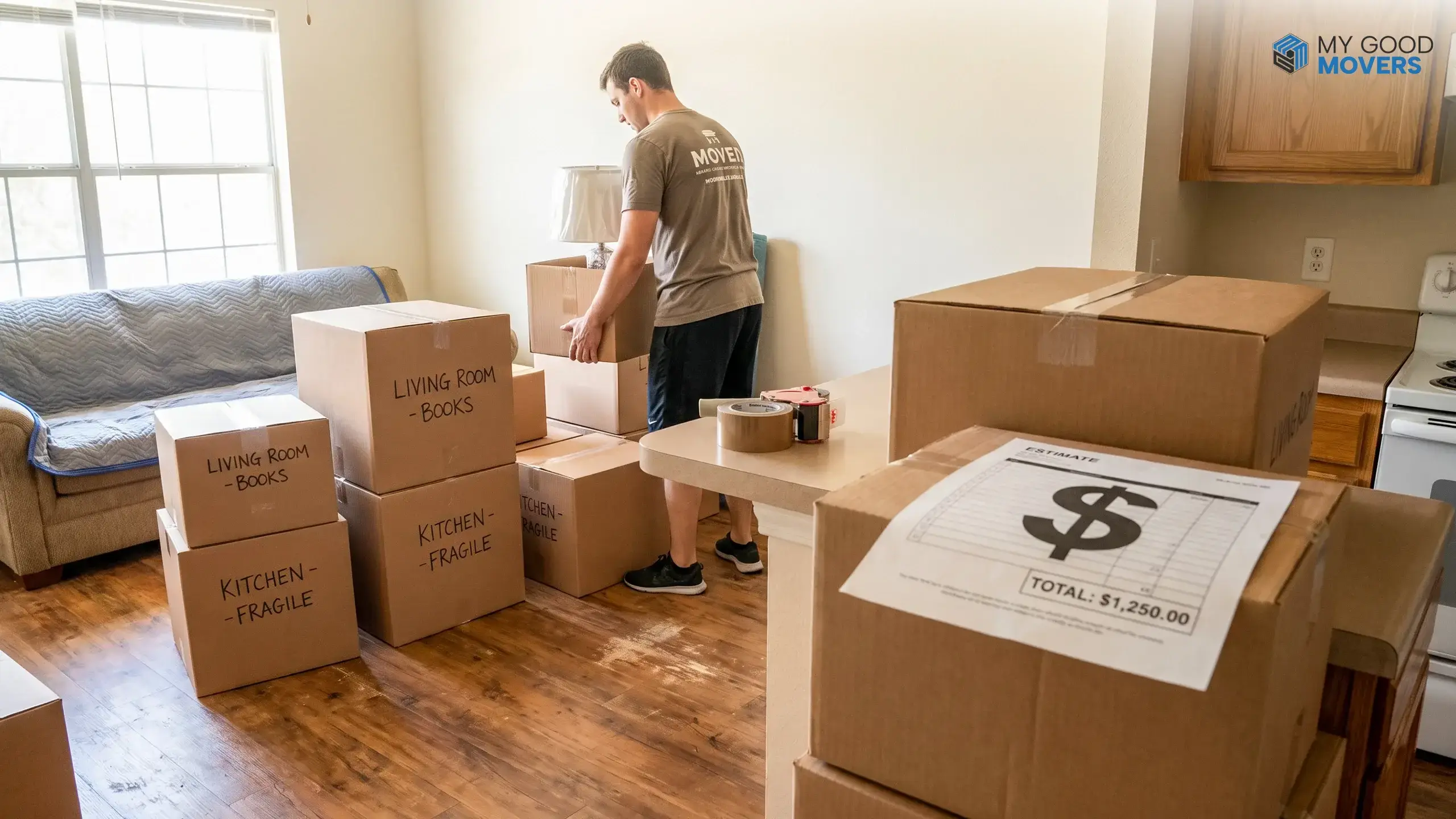
One of the most damaging packing mistakes is random packing without a system. It leads to broken items, missing essentials, and slow unpacking.
Studies show poor packing can increase unpacking time by 40–50%.
How to avoid this mistake:
- Pack room by room
- Label all boxes
- Separate essentials
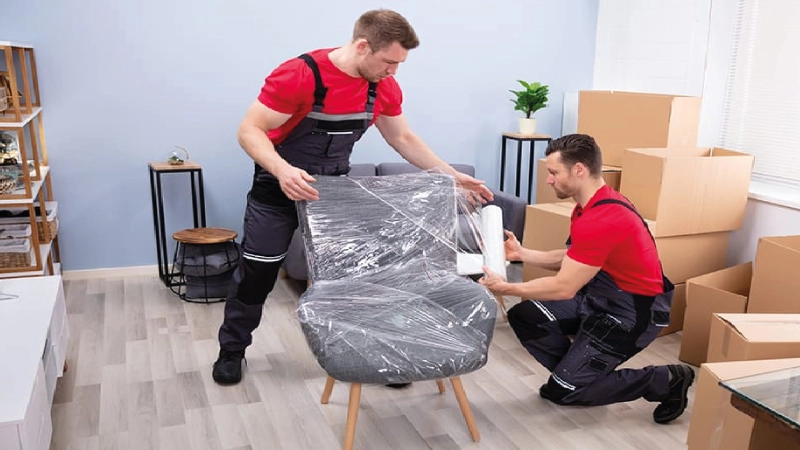
- Protect fragile items properly
Don’t let this mistake ruin your move, read these helpful guides below.
Biggest Packing Mistakes People Make When Moving
Mistake 7: Not Decluttering Before Moving
People move items they don’t use anymore, increasing cost and effort unnecessarily. Around 20–30% of items moved are never used again.
How to avoid this mistake:
Don’t declutter emotionally; declutter based on usage frequency and replacement cost. Most people carry items they “might need” but never actually use.
If replacing an item costs less than moving it, it’s better to remove it before packing starts.
Don’t let this mistake ruin your move, read these helpful guides below.
Mistake 8: Forgetting Important Documents and Valuables
Around 15–20% of people report losing or misplacing important documents during relocation, which later causes delays in banking, renting, or legal verification. This mistake usually happens when everything is packed in a hurry without separating essentials. Even small items like IDs, contracts, or certificates become hard to track once boxes are mixed.
This is not a packing issue; it’s a planning issue. When essentials are not kept separately, the entire moving process becomes stressful and disorganized.
How to avoid this mistake:
- Keep all important documents in one dedicated folder
- Carry valuables personally instead of packing them
- Double-check essentials before leaving the house
- Create a “must-carry” list a day before moving
Don’t let this mistake ruin your move, read these helpful guides below.
Mistake 9: Ignoring Utilities and Address Changes
Nearly 30% of people face service interruptions after moving because they forget to update utilities like electricity, internet, or water on time. This mistake doesn’t seem serious at first, but it becomes frustrating when you reach your new home, and basic services are not active.
It also affects banking, subscriptions, and official mail delivery. Many people only realize this after missing important bills or notifications.
How to avoid this mistake:
- Update utilities at least 1–2 weeks before moving
- Change address in banks and subscriptions
- Confirm activation dates for new services
- Make a checklist of all accounts that need updates
Don’t let this mistake ruin your move, read these helpful guides below.
Mistake 10: Poor Moving Day Preparation
Around 50% of moving stress actually happens on moving day, not before it. This usually comes from last-minute confusion, missing items, or a lack of coordination with movers. Even well-planned relocations can go wrong if the final day is not managed properly.
People underestimate how fast things move on that day, which leads to forgotten items, delays, or unnecessary panic.
How to avoid this mistake:
Don’t prepare for moving day physically only; prepare it operationally. That means assigning roles, confirming timelines, and setting communication rules with movers.
The most successful moves are not calm by chance; they are controlled because someone actively manages flow during the process.
Don’t let this mistake ruin your move, read these helpful guides below.
Tips to Make Your Move Safer and Less Stressful
If you want your move to feel less overwhelming and more in control, these are a few practical tips that actually make a real difference in how smoothly everything goes.
- Take it one step at a time: Don’t try to do everything together. When you split things into small steps, the whole move feels more manageable and less stressful.
- Decide early, pack later: Make all your “what to keep and what to leave” decisions first. It saves you from overthinking when you actually start packing.
- Keep your essentials in one place: Set aside a small area for daily use and important items so you’re not searching for them at the last moment.
- Double-check, don’t assume: Small things like timing or instructions can easily get missed, so always confirm important details instead of relying on memory.
- Give yourself some extra time: Moves rarely go 100% as planned, so having a little buffer keeps you calm when things take longer than expected.