



Sometimes the bravest thing you can do is give yourself a new map.
If you are planning to move to another state in 2026, you are probably carrying two feelings at the same time: excitement for the new place and stress about everything that could go wrong.
A state-to-state move is not just about packing boxes and booking a truck. It is about money, timing, work, school, and the fear of making one expensive mistake.
Millions of Americans make this kind of change. Census Bureau data shows that in 2025, 11.8% of people in the United States changed residence, and 2.1% moved to a different state.
You are not only wondering how to move to another state. You are also thinking about the real-life details behind moving to another state, the emotional pressure, the actual cost to move out of state, and what to do before moving to another state, so the process feels organized instead of chaotic.
Let’s discuss everything and go over the proper steps to move to another state in 2026.
Key Challenges You Should Expect When Moving to Another State
When people think about moving to another state, they usually picture the exciting parts first. What really decides whether your move feels smooth or stressful is how well you prepare for the challenges you didn't expect.
If you understand these early, you will not just survive the move, you will handle it confidently.
The hidden cost surprises
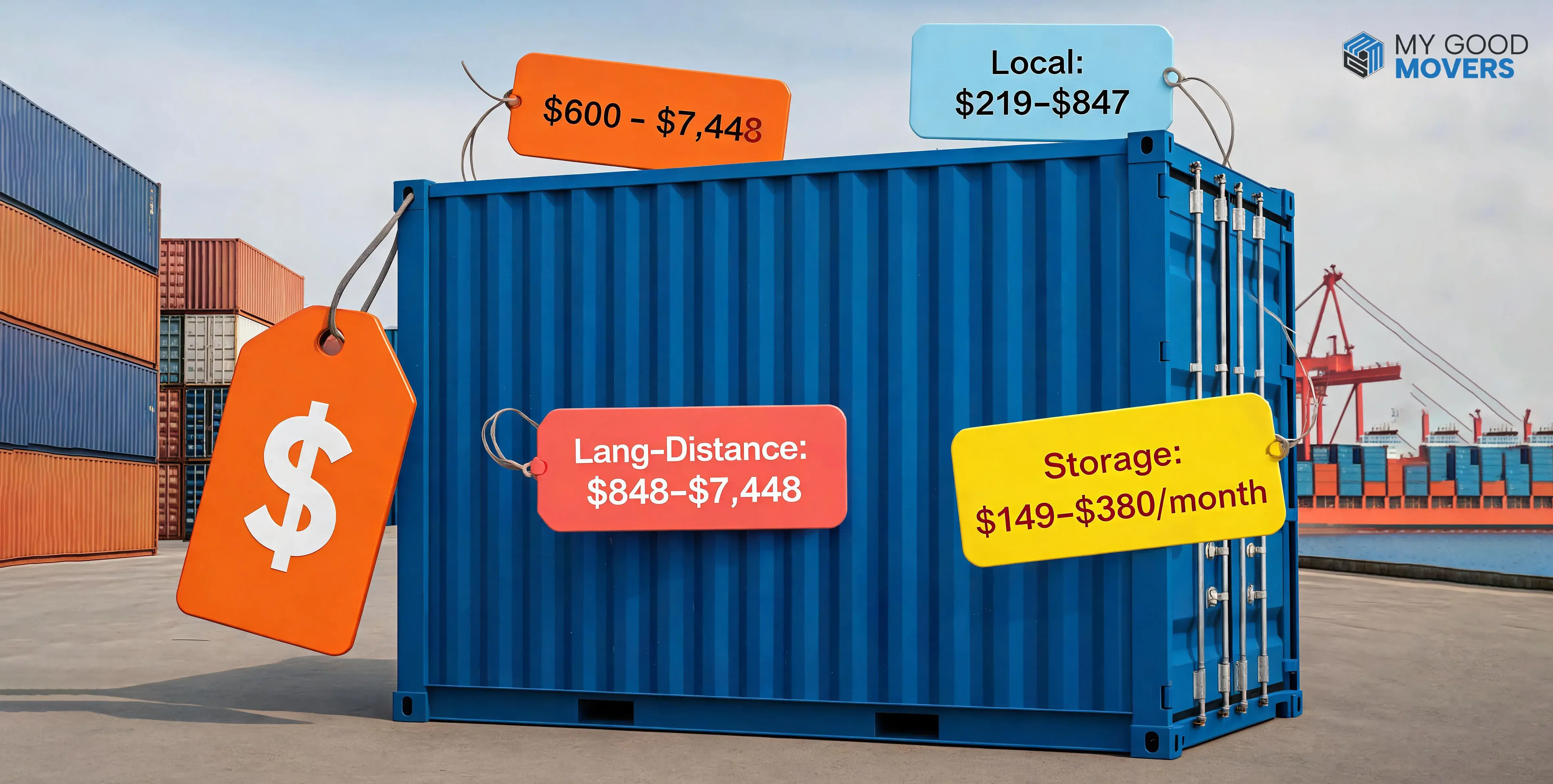
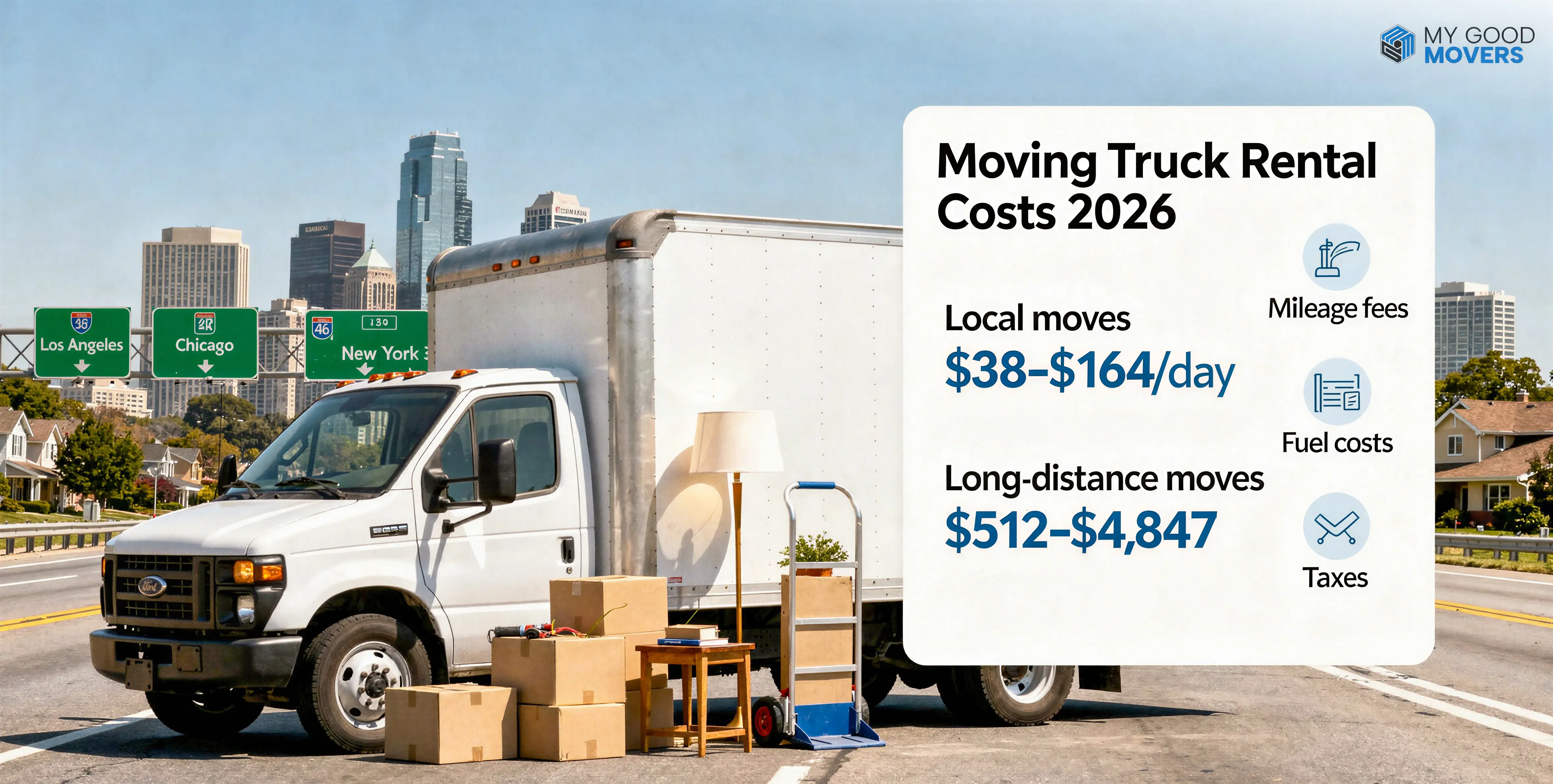
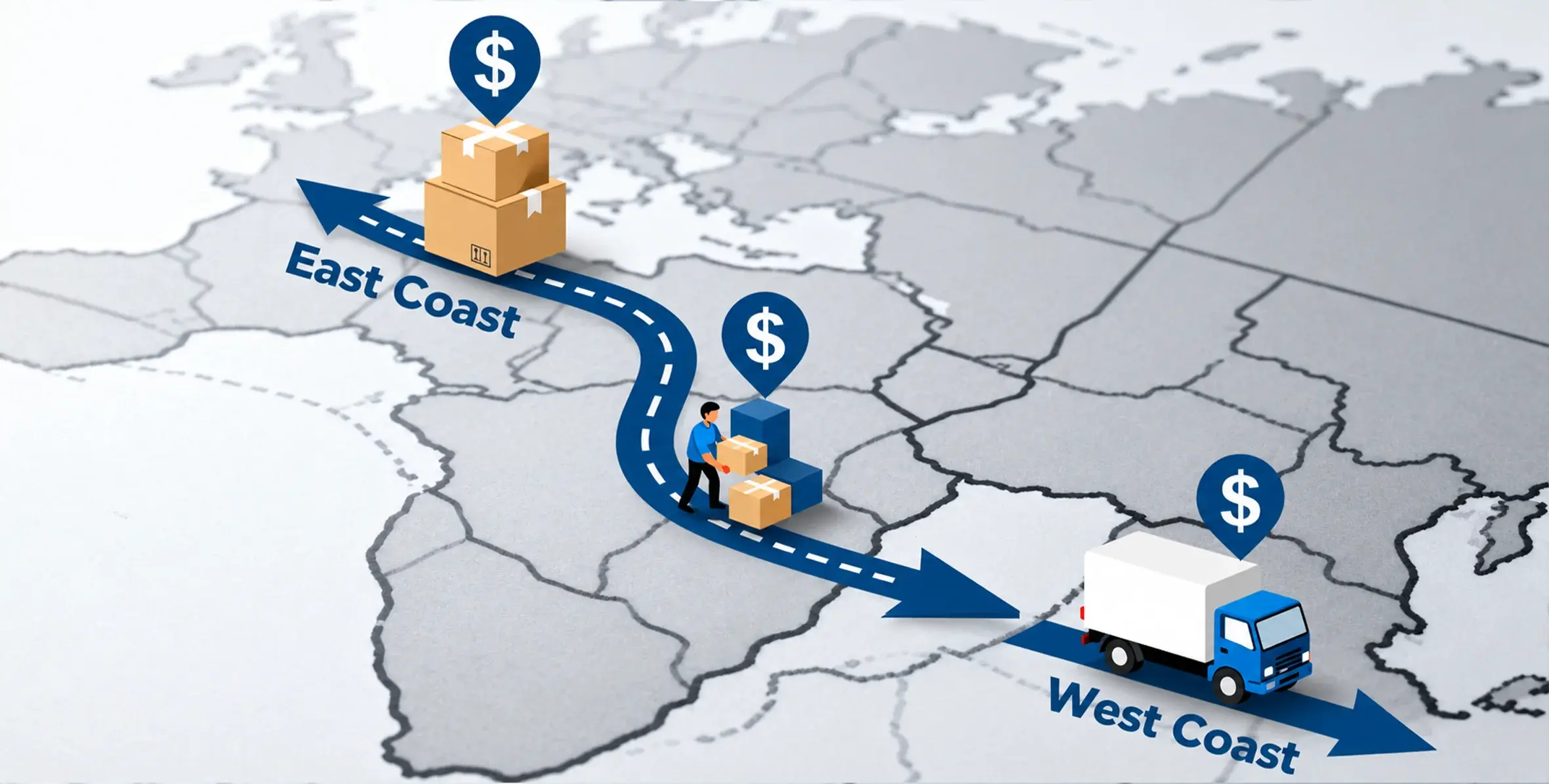
Most people underestimate the real cost of moving out of state. It is not just about hiring movers or renting a truck. You will deal with deposits, temporary stays, fuel, insurance, utility setups, and sometimes even double rent.
Choosing the right movers (or choosing wrong)
There are hundreds of moving companies, but not all of them are reliable. Some give low quotes and then increase the price later. Others delay deliveries.
If you do not take time to compare movers, check reviews, and verify licenses, your move can turn into a frustrating experience.
Planning everything at the right time
One of the biggest struggles in interstate moving is timing. If you book too late, prices go up. If you pack too early, you live in chaos. If you delay address changes or paperwork, it creates problems later.
Emotional and mental stress
No one talks about this enough. Moving out of state affects your routine, your comfort zone, and sometimes your relationships.
You might feel excited one day and overwhelmed the next. Being mentally prepared is just as important as being logistically prepared.
Logistics you did not think about
Things like transferring your driver’s license, updating your address, enrolling kids in new schools, or setting up utilities can feel simple, but together they become overwhelming.
Packing and transportation challenges
Packing for a long-distance move is very different from a local move. You have to think about safety, weight, and distance. Fragile items, furniture, and even your essentials need proper planning.
How To Move to Another State – Step by Step
If you want the full answer to how to move to another state, follow these steps in proper order.
Step 1: Decide When and Where You Want to Move
Start here, because everything else depends on this decision. Before you compare prices or look at apartments, be clear about two things: where you are going and when you realistically want to arrive.
Ask yourself what is actually driving the move. Is it affordability, career growth, family support, better schools, lower taxes, a slower pace, or a healthier environment for your daily life? When your reason is clear, your choices become clearer too.
A simple way to narrow your decision is this:
- Choose your target state.
- Choose your target metro or county.
- Choose your target move month.
- Choose your target budget range.
- Choose your non-negotiables.
For example: If you are choosing between Colorado and North Carolina, the state decision alone is not enough. You need to know whether you are aiming for Denver, Colorado Springs, Raleigh, or a smaller county nearby, because your rent, commute, and day-to-day life can change dramatically within the same state.
Top Places to Raise a Family in the U.S. (2026)
Step 2: Research Your New State and Living Costs
Many people think they know a state because they have visited it, watched videos about it, or heard friends talk about it. But visiting and living are not the same thing. “A good place to visit is not always a good place to build a life.”
When you research your new state, do not stop at average rent. In 2026, the MIT Living Wage Calculator remains one of the most practical tools because it shows what a full-time worker needs to cover basic costs by state, county, and family type.
On top of that, HUD’s FY 2026 Fair Market Rents can help you benchmark rental levels in specific metro and non-metro areas.
So when you are evaluating an area, check things like:
- rent or mortgage range
- transportation costs
- job market strength
- internet availability
- health care access
- school quality if children are involved
- taxes and fees that affect your monthly life
Also, check the internet before you sign a lease. The FCC National Broadband Map lets you search by address and compare available providers, which is especially important if you work remotely or simply do not want to discover after move-in that the connection is unreliable.
Step 3: Create a Moving Budget
Your moving budget should not only answer what you can afford to spend on the move itself. It should answer what you can afford to spend on the move, the setup, and the first few weeks after arrival.
A realistic budget usually includes:
- transportation or mover costs
- deposits for housing and utilities
- first month’s rent
- storage if needed
- travel costs, meals, and hotel stays
- packing supplies
- emergency buffer
- setup costs for the new home
If you want to understand the true cost to move out of state, think in layers. Layer one is the move itself. Layer two is the housing setup. Layer three is the transition month. A lot of people budget for layer one and forget the rest.
For example: Imagine your move quote is $3,500. That sounds manageable until you add a security deposit, pet fee, utility deposits, one week of temporary lodging, and grocery restocking. Suddenly, the move is not a $3,500 event—it becomes a $6,000 or $7,000 transition.
Step 4: Build a Moving Timeline and Checklist
Once you have a timeline, the move doesn’t feel like one big problem anymore. It just becomes a bunch of smaller, manageable tasks.
A practical timeline might look like this:
- 8 to 12 weeks out: choose destination, set budget, research housing, decide on movers or DIY
- 6 to 8 weeks out: request estimates, book services, begin decluttering
- 4 to 6 weeks out: collect documents, confirm job plans, arrange school or medical transfers
- 2 to 4 weeks out: pack non-essentials, update address plans, transfer utilities
- Final week: confirm bookings, prepare essentials, clean, and finalize travel
Step 5: Decide Between Hiring Movers or Moving Yourself
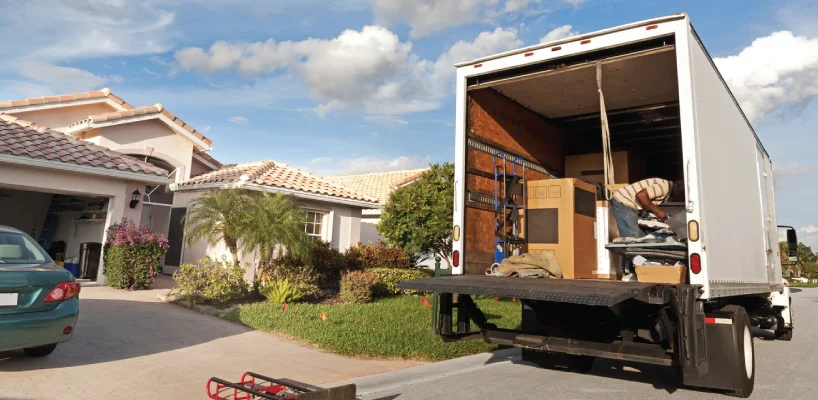
This decision should be made based on distance, time, and energy. Some people assume a do-it-yourself move is always cheaper. Sometimes it is. Sometimes it is not. The longer the distance, the more complicated that equation becomes.
DIY may make sense if you have a smaller household, flexible time, and people who can help.
Hiring professionals may make more sense if you have a family, heavy furniture, a demanding schedule, or a very long route.
Step 6: Compare and Book a Moving Company
If you decide to hire professionals, you should not choose a mover the way you choose a food delivery app. You need documentation, verification, and patience.
FMCSA’s Protect Your Move resources exist for a reason. The agency advises consumers to check whether a mover is registered, verify the U.S. DOT number, and understand the estimate and liability options before signing.
So before you book, do these things:
- Verify the mover's registration
- ask for a written estimate
- Ask whether the quote is binding or nonbinding
- Ask about pickup and delivery windows
- Ask who handles claims
- Read the valuation coverage details carefully
This is the stage where you should compare movers carefully. Look at communication quality, complaint patterns, delivery timing, and how clear they are when answering questions.
If you are specifically looking for the best interstate movers or the best long distance moving companies, use FMCSA registration as your first filter, not your last one.
Step 7: Declutter and Sort Your Belongings
This step saves money, time, and mental energy all at once. The less you move, the less you pay, the less you pack, and the less you unpack.
Sort your belongings into clear categories:
- keep
- donate
- sell
- recycle
- discard
Be honest with yourself. If you have not used something in a year and it is not sentimental, essential, or expensive to replace, it may not deserve a place in your next home.
Step 8: Start Packing Strategically for a Long-Distance Move
For a long-distance move, packing is really about protecting your stuff. You’re getting everything ready to handle the distance, the moving, storage, and time.
Pack one area at a time instead of rushing, label things clearly, keep your essentials separate, and protect fragile items since they’ll probably be moved more than once.”
A strong packing system usually includes:
- one room at a time
- clear labels on multiple sides
- a numbered inventory for valuables
- an essentials bag for the first 3 to 5 days
- separate files for documents, IDs, leases, and receipts
Where to Get Free Packing Supplies Near You
How to Pack a Garage For Moving
What To Pack First When Moving
How To Pack Electronics for Moving
Step 9: Arrange Housing in Your New State
Housing should be handled earlier than many people expect. Before you commit, think beyond the monthly rent. Think about commute, neighborhood convenience, safety, internet, parking, school zones, pet rules, and lease terms.
If you cannot visit in person, try to reduce risk in practical ways. Ask for a live video tour. Ask about noise, parking, utility averages, and lease break terms. Ask what is included and what is not.
If you need temporary housing first, that’s totally fine. A lot of times, it’s actually smarter to rent short-term for a few weeks instead of rushing into a year-long lease you might regret.
Step 10: Plan Your Job or Income Source Before Moving
This is one of the most important steps because confidence in a move rises sharply when income is stable.
If you already have remote work, verify whether your employer has location rules, payroll requirements, or tax implications for the new state. If you need a new job, start before the move, not after.
CareerOneStop, which is sponsored by the U.S. Department of Labor, provides state and local labor market tools, projected employment data, and job search resources.
If your income plan isn’t fully figured out yet, think of it in levels:
- ideal job before the move
- acceptable temporary income
- emergency fallback option
- savings runway in months
Step 11: Transfer Utilities and Update Your Address
This is the boring step that creates a lot of chaos when ignored. You do not want to arrive at your new home with no electricity, no internet, and mail still going to your old place.
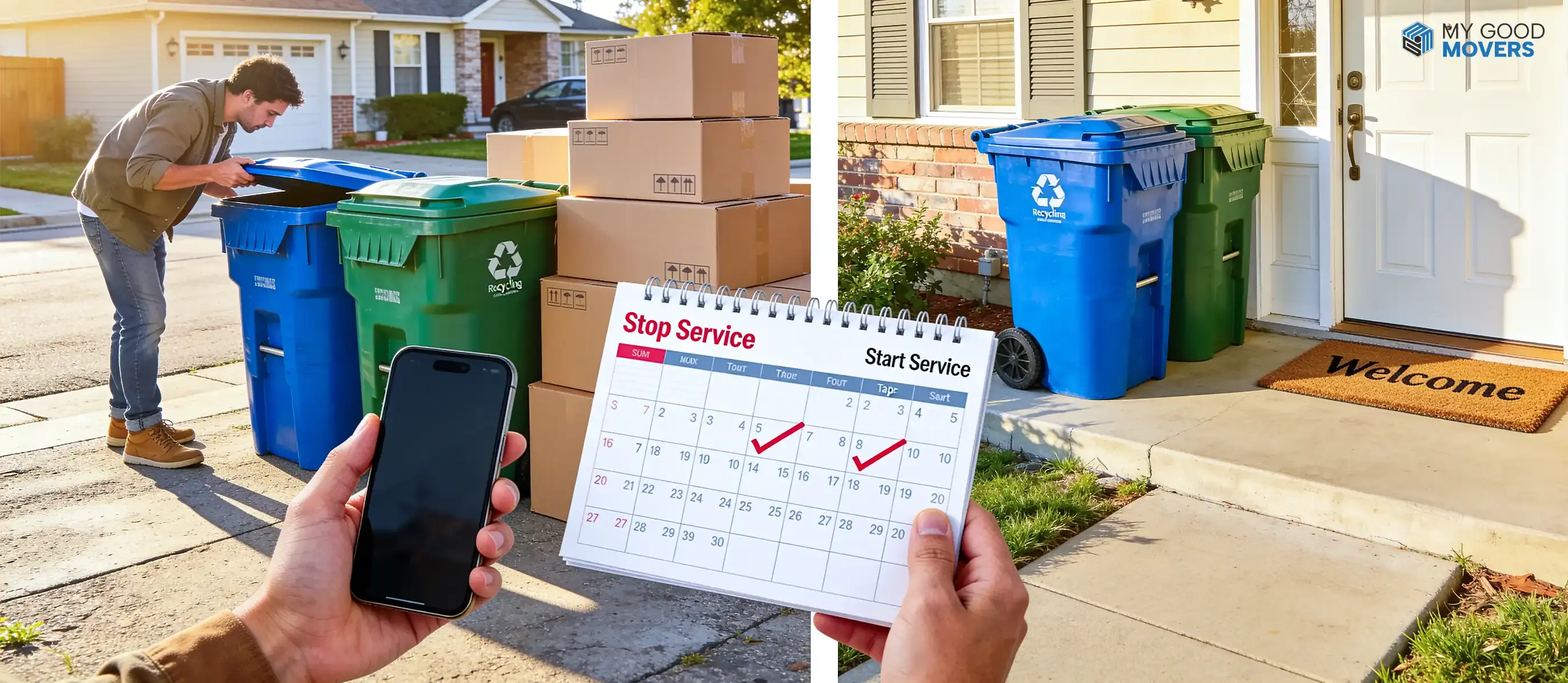
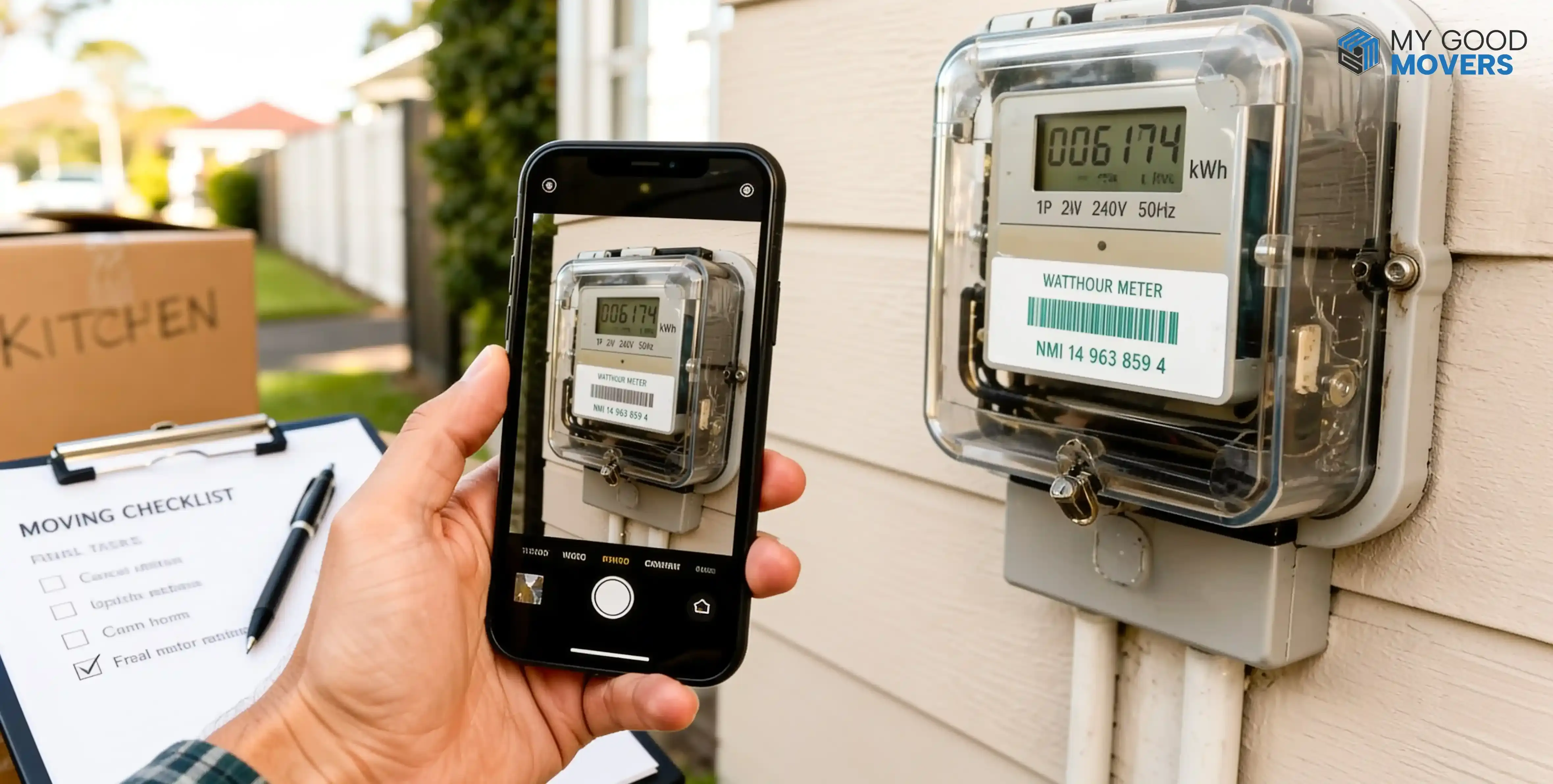
Make a utility list early. Electricity, gas, water, trash, internet, mobile service, and any subscription-based home systems should all be reviewed before move week.
For mail, USPS lets you submit a change-of-address request online, and as of the current USPS guidance, there is a $1.25 identity verification fee for the online request.
This step matters more than people think because your address affects:
- banking
- insurance
- payroll records
- credit cards
- subscriptions
- medical records
- tax documents
Step 12: Handle Legal and Administrative Changes
Once you arrive, you need to update the systems that define your residency and identity in practical terms.
Start with motor vehicle services. USA.gov directs people to each state’s DMV resources for driver’s licenses, vehicle registration, and REAL ID information.
For voting, Vote.gov is the official federal starting point for voter registration in your new state.
For tax records, the IRS says you can notify it of an address change using Form 8822. If you receive Social Security or Medicare-related benefits, the SSA says address changes can be handled through a personal my Social Security account in qualifying cases.
In practical terms, this means your post-move admin list may include:
- driver’s license update
- vehicle registration and title transfer
- voter registration update
- tax mailing address update
- insurance updates
- benefit record updates
Step 13: Prepare for Moving Day
The day before, confirm everything in writing if possible. Confirm the mover or truck, confirm addresses, confirm access instructions, confirm keys, confirm contact numbers, and confirm your essentials bag.
Your essentials should include:
- IDs and documents
- medications
- chargers
- basic toiletries
- change of clothes
- snacks and water
- pet or child essentials
- important receipts and contracts
Step 14: Execute Your Move
On the actual move, stay focused on oversight, not perfection. Problems can happen even in a well-planned move, but you should be in a position to handle them quickly.
If you hired movers, walk through the home before loading starts and again before the truck leaves. Keep your paperwork accessible. Take photos of valuable items and note any obvious pre-existing damage.
If you are driving yourself, build your route and rest stops in advance and keep your essentials where you can reach them easily.
Step 15: Settle Into Your New Home and State
A move is not finished when the boxes arrive. It is finished when your new place starts feeling usable, stable, and familiar. Give yourself permission to settle in stages. You do not have to make the home perfect in 48 hours.
Set up the bed, bathroom, kitchen basics, internet, and work area. Then handle your documents, local errands, and neighborhood.
Learn where your grocery store, pharmacy, urgent care, gas station, and main commute routes are.
If you rely on regular care or support, use official tools like SAMHSA’s FindTreatment.gov when relevant to locate services in your new area.
This final stage is also emotional. Even a good move can feel strange at first. That does not mean it was the wrong decision. It usually means your brain is adjusting to a new environment.
So when people ask how to relocate to another state, the honest answer is this: you do it once on paper, once on moving day, and once again in the weeks after arrival.
The move becomes real when your habits and sense of belonging start catching up with your address.
Things You Should Do After You Move to a New State
Common Mistakes to Avoid When Moving to Another State
Even when you know how to move to another state, small mistakes can still turn a smooth plan into a stressful experience.
Most of these mistakes are predictable, which means you can avoid them easily if you are aware of them.
Underestimating the total cost
Many people only focus on the moving quote and forget everything else. The real cost to move out of state includes deposits, travel, setup costs, and unexpected expenses.
Booking movers too late
Waiting until the last minute limits your options and increases prices. Good moving companies get booked quickly, especially during peak seasons.
Choosing movers based on price only
The cheapest option is not always the safest. If you do not properly compare movers, you might end up with delays, hidden charges, or damaged items.
Not researching the new area properly
Moving without understanding the cost of living, job market, or lifestyle differences can lead to regret. This is one of the biggest mistakes people make when moving out of state.
Packing everything without decluttering
Taking everything with you increases cost and effort. A smarter approach is to reduce what you own before moving. It saves money and makes settling easier.
Poor planning and no clear timeline
Trying to handle everything without a plan just leads to stress. A good timeline keeps your move on track; without it, things can start to feel out of control pretty quickly.”
Final Checklist for Moving to Another State – Downloadable
When things feel overwhelming, come back to this checklist and just focus on ticking one box at a time.
Before the Move
Decide your destination and timeline clearly
Research the cost of living, job market, and housing options
Create a realistic budget using a moving cost calculator
Request at least 3 quotes and get a written moving estimate
Shortlist and compare movers if hiring professionals
Book one of the best movers or plan your DIY move
Declutter and sort items into keep, donate, sell, discard
Start collecting important documents (ID, lease, medical, school records)
Plan utilities setup for your new home
Make a list of things to do before moving to another state, so nothing is missed
Arrange temporary or permanent housing in advance
Plan your job or income source before relocation
During the Move
Pack room by room and label boxes clearly
Keep essentials bag ready (documents, clothes, chargers, medications)
Confirm booking details with moving companies or truck rental
Take photos of valuable items before loading
Double-check all rooms before leaving your old home
Keep important documents and valuables with you
Stay in contact with movers during transit if applicable
Follow your planned route and schedule if driving
After the Move
Inspect your belongings for any damage
Unpack essentials first (bedroom, bathroom, kitchen basics)
Set up utilities like electricity, water, and internet
Update your address with banks, subscriptions, and official records
Transfer driver’s license and vehicle registration
Explore your new area (grocery stores, hospitals, routes)
Organize your home gradually, not all at once
Review your final moving costs vs budget
Settle into your routine and adjust to your new environment