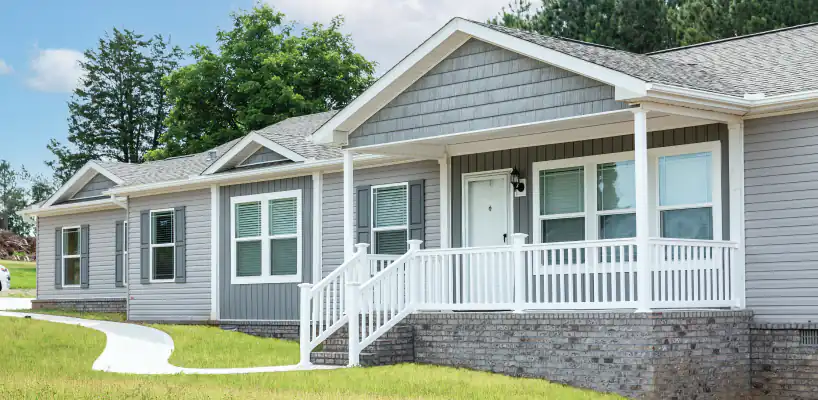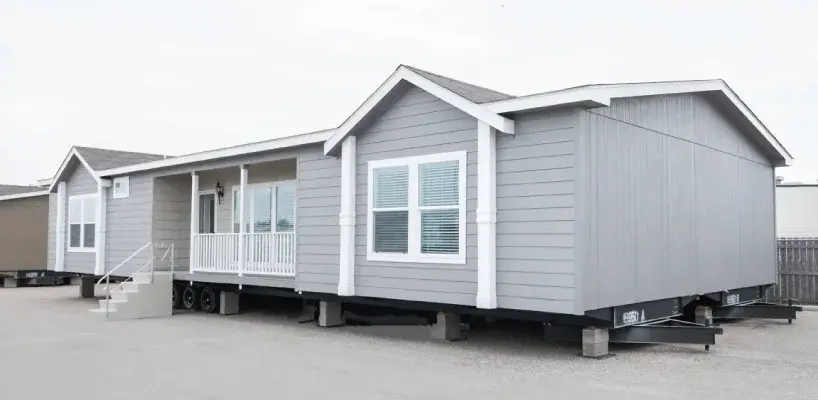




Home is not an address. It is the feeling your kids carry with them, long after they grow up.
If you are here looking for places to raise a family in US in 2026, you are probably not just “shopping for a city.” You are trying to pick a daily routine that does not drain you. You are trying to choose a place where your child can be safe, learn well, and still have room to be a kid.
And yes, the pressure is real, because the numbers are loud. The average U.S. home value is around $357,445, and the broader market is still tight in many areas. Home prices and affordability keep pulling families in different directions. On top of that, child care is not a small line item anymore. In 2026, Care.com lists the average weekly daycare at around $332, which adds up fast over a year.
So if you have been thinking, "Where do we actually fit?" you are not overthinking it. A lot of families are doing the same mental math, especially when the cost of living keeps showing up as a top financial stressor for households. And then there is time, the one thing you cannot refinance.
Let’s look at the best places to raise a family in the US based on safety, schools, housing, healthcare, jobs, childcare, and the everyday things that make life peaceful or stressful.
How We Evaluated “Best Places for Families” in 2026
Before we talk about any city or state, you deserve to know one thing clearly. Why should you trust these recommendations?
Instead of relying on opinions or random rankings, we built a clear and transparent evaluation process based on real data and practical family needs.
Here is how we evaluated the best places to raise a family in the US for 2026.
Safety and Crime Levels
Safety was the first filter. Nothing matters more than peace of mind.
We reviewed:
- FBI crime data and local law enforcement reports
- Violent crime rates per 100,000 residents
- Property crime trends over the past 3 to 5 years
- Neighborhood level safety indicators
- Community policing and public safety investments
We prioritized locations where crime rates are significantly below the national average. Areas that consistently ranked among the safest cities to raise a family received stronger scores.
Cost of Living and Housing Affordability
A great place loses its value if families cannot realistically afford to live there.
We analyzed:
- Median home prices and rent trends
- Cost of living index (U.S. average = 100 benchmark)
- Housing-to-income ratio
- Utility and daily expense averages
- Property tax burden
For context, we considered housing affordable when typical costs stayed within 28 to 30 percent of median household income.
Public Schools and Education Quality
Education shapes long-term opportunity, so we looked deeply into school performance.
Our review included:
- Student–teacher ratios (ideal range: 14:1 to 18:1)
- Standardized test performance
- Graduation rates (target above 90 percent)
- College readiness scores
- School funding and district reputation
- Access to extracurricular programs
Job Market and Income Stability
Families need a stable income, not just employment opportunities.
We evaluated:
- Median household income
- Local unemployment rates
- Job growth projections through 2030
- Industry diversity and economic resilience
- Remote work opportunities
Healthcare Access and Quality
Healthcare availability is often overlooked until it becomes urgent.
We examined:
- Number of hospitals per capita
- Access to pediatric care and family medicine
- Health insurance coverage rates
- Healthcare quality rankings
- Average emergency response times
Childcare Costs and Family Support Services
For many parents, childcare is one of the biggest financial pressures.
We studied:
- Average daycare and preschool costs
- Availability of licensed childcare centers
- Waiting list timelines
- State family support programs
- Parental leave and community services
Quality of Life and Family Amenities
A good family location should support everyday happiness, not just survival.
We reviewed:
- Parks and recreational spaces per capita
- Libraries and community centers
- Walkability and outdoor activities
- Cultural and family events
- Access to safe public spaces
We gave strong preference to communities where families spend time together easily.
Commute and Transportation
Time with family matters more than long commutes.
We evaluated:
- Average commute times (national average around 27 minutes one way)
- Traffic congestion levels
- Public transportation access
- Walkability scores
- School and workplace proximity
Climate, Environment, and Long-Term Livability
Families also think long term. We considered:
- Climate comfort and seasonal extremes
- Air quality index
- Natural disaster risks
- Environmental quality
- Population growth and development trends
Taxes and Financial Burden
Our analysis included:
- State income tax rates
- Sales tax and property tax levels
- Family tax credits and benefits
- Overall household spending burden
States with balanced tax structures appeared among the top family friendly states.
Best Places to Raise a Family in the U.S. (At a Glance)
Every family’s situation is different. Some want affordability. Some want top schools. Others care more about safety, career growth, or lifestyle. So instead of giving one answer, here is a clear breakdown to help you compare where to live in the US based on your preference.
Best Overall
These locations performed consistently across safety, education, cost of living, healthcare, and quality of life.
| Place | State | Median Home Price (Approx.) | Cost of Living Index | School Quality | Safety Level |
|---|---|---|---|---|---|
| Raleigh | North Carolina | $450K | Moderate | Excellent | High |
| Plano | Texas | $520K | Moderate | Top-rated | Very High |
| Madison | Wisconsin | $430K | Moderate | Excellent | High |
| Irvine | California | $1.2M | High | Exceptional | Very High |
| Ann Arbor | Michigan | $490K | Moderate | Excellent | High |
Best for Affordability
These are some of the most affordable places to raise a family with stable housing costs and manageable daily expenses.
| Place | State | Median Home Price | Cost of Living Index | Median Household Income | Housing Affordability |
|---|---|---|---|---|---|
| Des Moines | Iowa | $290K | Low | $70K+ | Very High |
| Huntsville | Alabama | $320K | Low | $75K+ | High |
| Oklahoma City | Oklahoma | $260K | Low | $65K+ | Very High |
| Fort Wayne | Indiana | $240K | Very Low | $60K+ | Excellent |
| Toledo | Ohio | $210K | Very Low | $58K+ | Excellent |
Best for Top-Rated Schools
These locations are known for some of the strongest school districts and student outcomes in the country.
| Place | State | Student–Teacher Ratio | Graduation Rate | Education Ranking | Cost of Living |
|---|---|---|---|---|---|
| Lexington | Massachusetts | 13:1 | 96% | Elite | High |
| Palo Alto | California | 14:1 | 95%+ | Exceptional | Very High |
| Naperville | Illinois | 15:1 | 94% | Excellent | Moderate |
| Bellevue | Washington | 16:1 | 93% | Top Tier | High |
| Cary | North Carolina | 16:1 | 92% | Excellent | Moderate |
Best for Safety
These locations show consistently low crime rates and strong community security measures.
| Place | State | Violent Crime Rate | Property Crime Rate | Community Safety Score | Population |
|---|---|---|---|---|---|
| Gilbert | Arizona | Very Low | Low | Excellent | 275K |
| Frisco | Texas | Very Low | Low | Exceptional | 225K |
| Newton | Massachusetts | Very Low | Very Low | Excellent | 88K |
| Fishers | Indiana | Very Low | Low | Excellent | 100K |
| Virginia Beach | Virginia | Low | Low | High | 450K |
Best for Career Opportunities
These locations offer strong employment markets, income growth, and economic stability. Ideal for families focused on financial security and long-term career growth.
| Place | State | Major Industries | Median Household Income | Job Growth Outlook | Cost of Living |
|---|---|---|---|---|---|
| Seattle | Washington | Tech, aerospace | $115K+ | Strong | High |
| Austin | Texas | Tech, startups | $95K+ | Very Strong | Moderate |
| San Jose | California | Technology | $130K+ | Strong | Very High |
| Denver | Colorado | Tech, healthcare | $90K+ | Strong | Moderate |
| Boston | Massachusetts | Education, biotech | $105K+ | Strong | High |
Best for Work–Life Balance
These places support healthier routines, manageable commutes, and strong community living.
| Place | State | Average Commute | Cost of Living | Outdoor Access | Lifestyle Score |
|---|---|---|---|---|---|
| Boulder | Colorado | 22 mins | High | Excellent | Exceptional |
| Portland | Maine | 20 mins | Moderate | Excellent | High |
| Minneapolis | Minnesota | 24 mins | Moderate | High | High |
| San Diego | California | 26 mins | High | Exceptional | Excellent |
| Salt Lake City | Utah | 23 mins | Moderate | Excellent | High |
Best for Outdoor Lifestyle
If your family thrives in nature, these locations offer parks, trails, mountains, and year-round outdoor activities.
| Place | Outdoor Access | Climate | Cost of Living | Recreation Options | Outdoor Strength |
|---|---|---|---|---|---|
| Bend, OR | Exceptional | Mild | Moderate | Hiking, skiing, biking | Outdoor recreation hub |
| Colorado Springs, CO | Exceptional | Mild | Moderate | Mountains, parks | Scenic and family-friendly |
| Anchorage, AK | Exceptional | Cold | Moderate | Wildlife, trails | Nature-focused lifestyle |
| Asheville, NC | High | Mild | Moderate | Mountains, arts scene | Balanced outdoor culture |
| Asheville, NC | High | Cool | Moderate | Forests, hiking | Unique climate and scenery |
Best for Urban Families
These cities provide big-city opportunities while still supporting family life through schools, parks, and services.
| City | Population | Cost of Living | Public Transport | Family Amenities | Urban Advantage |
|---|---|---|---|---|---|
| New York City, NY | 8.5M+ | Very High | Excellent | Exceptional | Education, culture, opportunities |
| Chicago, IL | 2.7M+ | Moderate | Excellent | High | Affordable major city living |
| Washington, DC | 800K+ | Very High | Excellent | High | Innovation-driven environment |
| Philadelphia, PA | 1.5M+ | Moderate | Good | High | Historic neighborhoods, affordability |
Best for Suburban Families
If you want space, quieter neighborhoods, and strong community living, these suburbs are popular with growing households.
| Place | Median Home Price | School Quality | Safety | Cost of Living | Suburban Strength |
|---|---|---|---|---|---|
| Overland Park, KS | $420K | Excellent | Very High | Moderate | Family-focused planning |
| Franklin, TN | $650K | Excellent | High | Moderate | Strong community environment |
| The Woodlands, TX | $560K | Top-rated | Very High | Moderate | Master-planned suburban living |
| Reston, VA | $620K | Excellent | High | High | Close to major job centers |
| Alpharetta, GA | $580K | Excellent | High | Moderate | Schools and tech job access |
Top Places to Raise a Family in 2026
Raleigh, North Carolina



If you ask many families today where they feel both comfortable and optimistic about the future, Raleigh keeps showing up in the conversation. It is one of those rare cities where career growth, safety, education, and daily lifestyle stay balanced without pushing families into extreme costs.
Raleigh performs well across almost every factor families care about. It offers strong public schools, a growing job market, manageable housing costs compared to other major cities, and a community-focused environment.
What makes Raleigh stand out is balance. You are not sacrificing safety for affordability or career growth for lifestyle.
Housing is one of Raleigh’s biggest advantages compared to other major metro areas.
| Factor | Raleigh Average | U.S. Major City Comparison |
|---|---|---|
| Median Home Price | ~$450,000 | Lower than tech hubs like San Jose |
| Average Rent (2-bedroom) | $1,600–$1,900/month | Moderate |
| Cost of Living Index | ~102 | Near national average |
| Property Taxes | Moderate | Lower than many Northeast states |
Education is one of Raleigh’s strongest advantages.
- Wake County Public School System is nationally recognized
- Student–teacher ratio around 16:1
- Graduation rates above 90%
- Strong STEM and college preparation programs
- Access to top universities nearby (Duke, UNC, NC State region)
Safety plays a major role in Raleigh’s family appeal.
- Crime rates below the national average in many suburbs
- Strong community policing programs
- Family-focused neighborhoods with low violent crime
- Well-planned residential communities
Raleigh offers one of the fastest-growing job markets in the country.
| Economic Factor | Details |
|---|---|
| Major Industries | Technology, healthcare, education, research |
| Median Household Income | ~$82,000+ |
| Unemployment Rate | Below national average |
| Job Growth Outlook | Strong through 2030 |
Healthcare access is reliable and widely available.
- Multiple top-rated hospitals and medical centers
- Strong pediatric and family healthcare services
- High physician availability per capita
- Access to research hospitals and specialists
Raleigh supports working parents with accessible childcare options.
- Wide network of licensed daycare centers
- Average childcare costs near national averages
- Early childhood education programs
- Family support initiatives and community services
Daily life here is built around family activity and outdoor living.
- 180+ miles of greenway trails
- Public parks and playgrounds across neighborhoods
- Museums and science centers for children
- Community festivals and seasonal events
- Youth sports and recreation programs
Raleigh offers a comfortable year-round climate.
| Factor | Details |
|---|---|
| Summers | Warm but manageable |
| Winters | Mild with rare snowfall |
| Natural Environment | Green spaces, lakes, tree-lined neighborhoods |
| Natural Disaster Risk | Relatively low |
Raleigh works especially well for:
- Growing families seeking space and stability
- Dual-income professional households
- Families prioritizing education quality
- Remote workers wanting balanced living costs
- First-time homebuyers moving from expensive cities
It is an excellent starting point for families deciding where to live in the US.
No place is perfect, and Raleigh has some limitations.
- Public transportation is limited compared to major cities
- Rapid population growth increases housing demand
- Summers can feel humid
- Downtown living options are fewer than in larger metros
| Evaluation Factor | Weight | Score (Out of 10) | Weighted Score |
|---|---|---|---|
| Safety | 25% | 8.5 | 2.12 |
| Housing and Affordability | 20% | 8.0 | 1.60 |
| Education Quality | 15% | 8.8 | 1.32 |
| Job Market and Income | 10% | 9.0 | 0.90 |
| Healthcare Access | 10% | 8.5 | 0.85 |
| Childcare and Family Services | 5% | 8.2 | 0.41 |
| Quality of Life and Amenities | 5% | 9.0 | 0.45 |
| Commute and Transportation | 5% | 7.5 | 0.37 |
| Taxes and Long-Term Stability | 5% | 8.3 | 0.41 |
Total Score: 8.43 / 10
Plano, Texas



If your idea of the perfect family life includes safe neighborhoods, top-rated schools, strong job opportunities, and a predictable daily routine, Plano is your answer. Many families move here not because of hype, but because the city consistently delivers stability.
Plano performs exceptionally well in safety, education quality, household income levels, and long-term economic stability. Located within the Dallas–Fort Worth metro area, it benefits from a powerful regional economy while maintaining a suburban family-focused environment.
Plano is more affordable than many high-income cities, but housing costs have increased due to strong demand.
| Factor | Plano Average | U.S. Major City Comparison |
|---|---|---|
| Median Home Price | ~$520,000 | Higher than national average |
| Average Rent (2-bedroom) | $1,900–$2,300/month | Moderate to high |
| Cost of Living Index | ~109 | Slightly above national average |
| State Income Tax | 0% (Texas) | Major financial advantage |
Plano is more affordable than many high-income cities, but housing costs have increased due to strong demand.
- Plano Independent School District is nationally recognized
- Student–teacher ratio around 15:1
- Graduation rates close to 96 percent
- Strong college readiness and advanced placement programs
- High STEM and technology education focus
Plano is widely known for its low crime rates and well-managed communities.
- Violent crime rates are significantly below the national average
- Consistently ranked among the safest cities to raise a family
- Strong emergency response infrastructure
- Well-maintained residential communities
- Active neighborhood engagement programs
Plano offers one of the strongest job markets in Texas.
| Economic Factor | Details |
|---|---|
| Major Employers | Toyota North America, JPMorgan Chase, Liberty Mutual |
| Major Industries | Finance, technology, healthcare, corporate headquarters |
| Median Household Income | ~$103,000+ |
| Unemployment Rate | Typically below national average |
| Regional Advantage | Access to Dallas–Fort Worth job market |
Plano provides strong healthcare access through the larger Dallas–Fort Worth medical network.
- Multiple full-service hospitals and medical centers
- Advanced pediatric care facilities
- Access to specialized family healthcare providers
- High physician-to-resident ratio
Plano is structured around working families.
- Large number of licensed daycare providers
- Average childcare costs slightly above national average
- Early education and after-school programs
- Family counseling and support services
- Community recreation and youth programs
Plano focuses heavily on community living and family activities.
- 80+ public parks and recreation areas
- Nature preserves and walking trails
- Libraries and learning centers
- Youth sports leagues and programs
- Family-focused community events year-round
Plano offers a typical North Texas climate with long summers and mild winters.
| Factor | Details |
|---|---|
| Summers | Hot, often above 90°F |
| Winters | Mild with rare snow |
| Natural Environment | Flat terrain, parks, suburban green spaces |
| Natural Disaster Risk | Occasional severe storms |
Plano works especially well for:
- Dual-income professional families
- Families prioritizing safety and structure
- Parents focused on academic excellence
- Corporate professionals relocating for work
- Families seeking suburban stability near major cities
Plano offers many advantages, but there are some considerations.
- Summers can be extremely hot
- Housing demand keeps prices rising
- Car dependency is high due to limited public transit
- Less nightlife and cultural diversity than large urban centers
| Evaluation Factor | Weight | Score (Out of 10) | Weighted Score |
|---|---|---|---|
| Safety | 25% | 9.3 | 2.32 |
| Housing and Affordability | 20% | 7.2 | 1.44 |
| Education Quality | 15% | 9.2 | 1.38 |
| Job Market and Income | 10% | 9.1 | 0.91 |
| Healthcare Access | 10% | 8.8 | 0.88 |
| Childcare and Family Services | 5% | 8.5 | 0.42 |
| Quality of Life and Amenities | 5% | 8.6 | 0.43 |
| Commute and Transportation | 5% | 7.8 | 0.39 |
| Taxes and Long-Term Stability | 5% | 9.0 | 0.45 |
Total Score: 8.62 / 10
Madison, Wisconsin



If your idea of raising a family includes strong education, a safe environment, manageable living costs, and a slower, more balanced pace of life, Madison quietly stands out. It is not the loudest city in rankings, but families who move here often say it gives them stability without pressure.
Madison performs exceptionally well in education quality, healthcare access, community safety, and overall livability. The city benefits from a stable government economy, a strong university presence, and consistent population growth.
What makes Madison different is its focus on community wellbeing. The city invests heavily in public services, green spaces, and education.
Madison offers a balanced cost of living compared to other education-focused cities.
| Factor | Madison Average | U.S. Major City Comparison |
|---|---|---|
| Median Home Price | ~$430,000 | Moderate for a capital city |
| Average Rent (2-bedroom) | $1,500–$1,800/month | Reasonable |
| Cost of Living Index | ~104 | Slightly above national average |
| Property Taxes | Higher than national average | Common for Midwest cities |
Madison provides a generally safe environment for families.
- Madison Metropolitan School District offers strong academic performance
- Student–teacher ratio around 15:1
- Graduation rates above 91 percent
- Strong STEM and research-driven education programs
- Home to the University of Wisconsin–Madison
Madison provides a generally safe environment for families.
- Violent crime rates below many similar-sized cities
- Community-based policing programs
- Family-oriented neighborhoods
- Active community engagement initiatives
Madison offers a stable and growing economy supported by education, healthcare, and government employment.
| Economic Factor | Details |
|---|---|
| Major Industries | Education, healthcare, technology, government |
| Median Household Income | ~$76,000+ |
| Unemployment Rate | Typically below national average |
| Economic Stability | Strong due to the university and the state government |
Healthcare quality in Madison is among the best in the Midwest.
- Nationally ranked hospitals and medical research centers
- Strong pediatric and family medicine services
- University-affiliated healthcare system
- High physician availability
Families benefit from both routine and specialized healthcare access.
Madison offers strong support for working parents.
- Extensive licensed childcare network
- Early childhood education programs
- Community family support initiatives
- After-school learning and enrichment programs
Madison is designed for outdoor and community-centered living.
- 270+ public parks across the city
- 200+ miles of bike and walking trails
- Lakes for year-round recreation
- Children’s museums and science centers
- Farmers markets and family festivals
Madison offers beautiful natural surroundings but distinct seasonal changes.
| Factor | Details |
|---|---|
| Summers | Warm and pleasant |
| Winters | Cold with heavy snowfall |
| Natural Environment | Lakes, green spaces, scenic views |
| Air Quality | Generally good |
Madison works especially well for:
- Families prioritizing education and academic culture
- Households seeking balanced living costs
- Families who enjoy outdoor activities
- Remote workers wanting a quieter lifestyle
- Parents seeking strong community support
Madison offers many benefits, but there are a few considerations.
- Winters can be long and very cold
- Property taxes are higher than average
- Smaller job market than major metro areas
- Slower pace may not suit fast urban lifestyles
| Evaluation Factor | Weight | Score (Out of 10) | Weighted Score |
|---|---|---|---|
| Safety | 25% | 8.2 | 2.05 |
| Housing and Affordability | 20% | 7.8 | 1.56 |
| Education Quality | 15% | 9.1 | 1.36 |
| Job Market and Income | 10% | 8.3 | 0.83 |
| Healthcare Access | 10% | 9.0 | 0.90 |
| Childcare and Family Services | 5% | 8.4 | 0.42 |
| Quality of Life and Amenities | 5% | 9.2 | 0.46 |
| Commute and Transportation | 5% | 8.1 | 0.40 |
| Taxes and Long-Term Stability | 5% | 7.5 | 0.37 |
Total Score: 8.35 / 10
Irvine, California
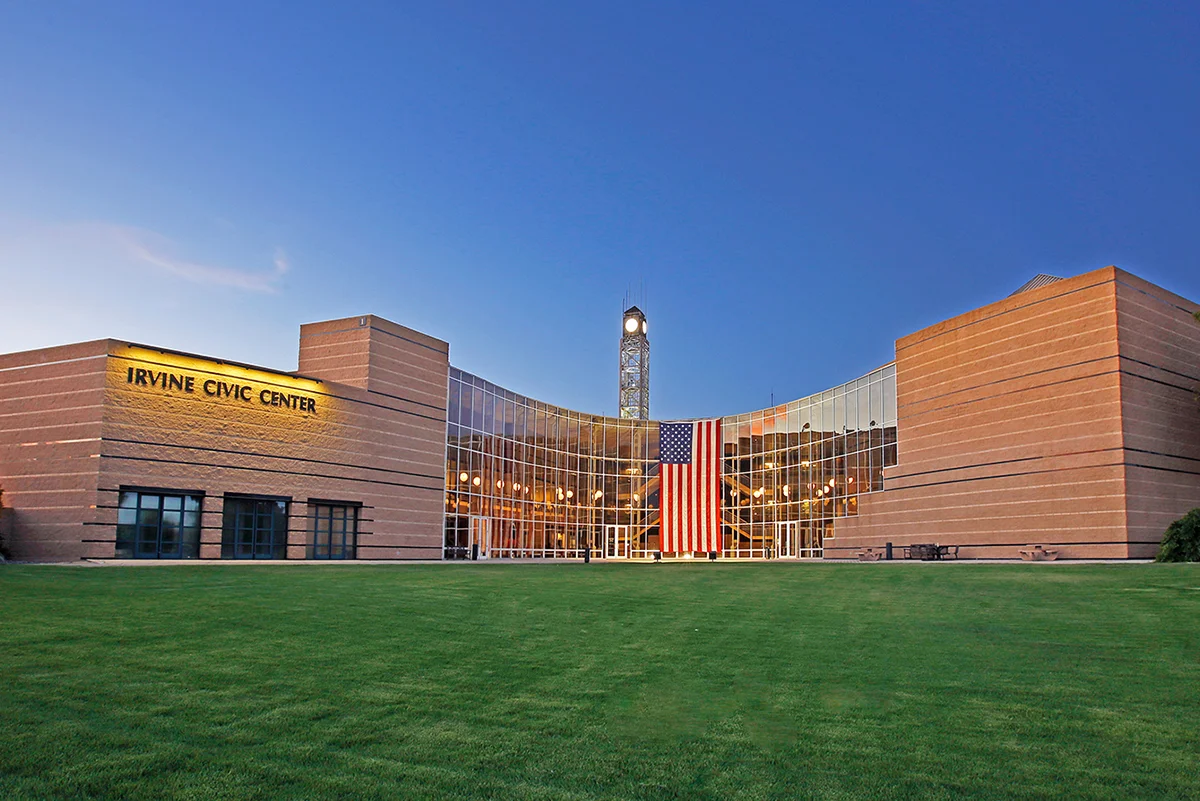


If safety, top-tier education, and a structured environment are at the top of your priority list, Irvine is a city that immediately gets your attention. Families move here with one goal in mind: giving their children the strongest possible environment for growth and opportunity.
Irvine was developed through a long-term master plan that prioritizes education, safety, infrastructure, and community living.
The city offers:
- One of the lowest crime rates for a large U.S. city
- Highly ranked public schools
- Clean and well-maintained neighborhoods
- Strong economic opportunities
- High quality public services
Irvine provides an exceptional quality of life, but housing costs are significantly higher than the national average.
| Factor | Irvine Average | U.S. Major City Comparison |
|---|---|---|
| Median Home Price | ~$1.2M–$1.4M | Much higher than national average |
| Average Rent (2-bedroom) | $3,200–$3,800/month | Very high |
| Cost of Living Index | ~180+ | Among the highest in the U.S. |
| Property Taxes | ~1.1% average | Moderate for California |
Education is Irvine’s biggest strength and a primary reason families relocate here.
- Irvine Unified School District ranked among the top districts nationally
- Student–teacher ratio around 24:1 (California average context)
- Graduation rates above 95 percent
- Strong college placement and academic performance
- High-performing STEM and advanced placement programs
- University of California, Irvine is nearby
Irvine is widely recognized for exceptional safety standards.
- Consistently ranked among the safest cities to raise a family in the U.S.
- Violent crime rates are extremely low for its population size
- Well-funded public safety services
- Carefully planned residential zones
- Strong community engagement programs
Irvine provides strong income potential and access to major employment hubs.
| Economic Factor | Details |
|---|---|
| Major Industries | Technology, healthcare, education, finance |
| Median Household Income | ~$125,000+ |
| Regional Advantage | Orange County and Los Angeles job markets |
| Business Environment | Major corporate headquarters and startups |
Healthcare access in Irvine is excellent.
- Highly rated hospitals and medical centers nearby
- Advanced pediatric and specialty care
- Strong healthcare infrastructure across Orange County
- High physician availability
irvine offers strong support for working parents.
- High-quality childcare and early education programs
- Numerous licensed daycare facilities
- Family wellness and support programs
- Structured youth development services
Irvine is built around family living and outdoor engagement.
- 16,000+ acres of parks and open space
- Master-planned recreational facilities
- Family-friendly shopping and community centers
- Sports complexes and youth programs
- Safe cycling and walking paths
Irvine offers one of the most comfortable climates in the country.
| Factor | Details |
|---|---|
| Summers | Warm and dry |
| Winters | Mild and comfortable |
| Air Quality | Generally good |
| Natural Environment | Coastal proximity, clean urban design |
| Natural Disaster Risk | Some earthquake risk typical for California |
Irvine works especially well for:
- High-income professional families
- Parents prioritizing elite education
- Families seeking maximum safety and structure
- Corporate professionals and entrepreneurs
- Families wanting premium living environments
Irvine provides exceptional quality, but there are some considerations.
- Very high housing and living costs
- Competitive housing market
- Less cultural diversity compared to major metro cities
- Higher daily expenses overall
| Evaluation Factor | Weight | Score (Out of 10) | Weighted Score |
|---|---|---|---|
| Safety | 25% | 9.6 | 2.40 |
| Housing and Affordability | 20% | 5.5 | 1.10 |
| Education Quality | 15% | 9.5 | 1.42 |
| Job Market and Income | 10% | 9.2 | 0.92 |
| Healthcare Access | 10% | 9.3 | 0.93 |
| Childcare and Family Services | 5% | 9.0 | 0.45 |
| Quality of Life and Amenities | 5% | 9.4 | 0.47 |
| Commute and Transportation | 5% | 8.4 | 0.42 |
| Taxes and Long-Term Stability | 5% | 7.2 | 0.36 |
Total Score: 8.47 / 10
Ann Arbor, Michigan
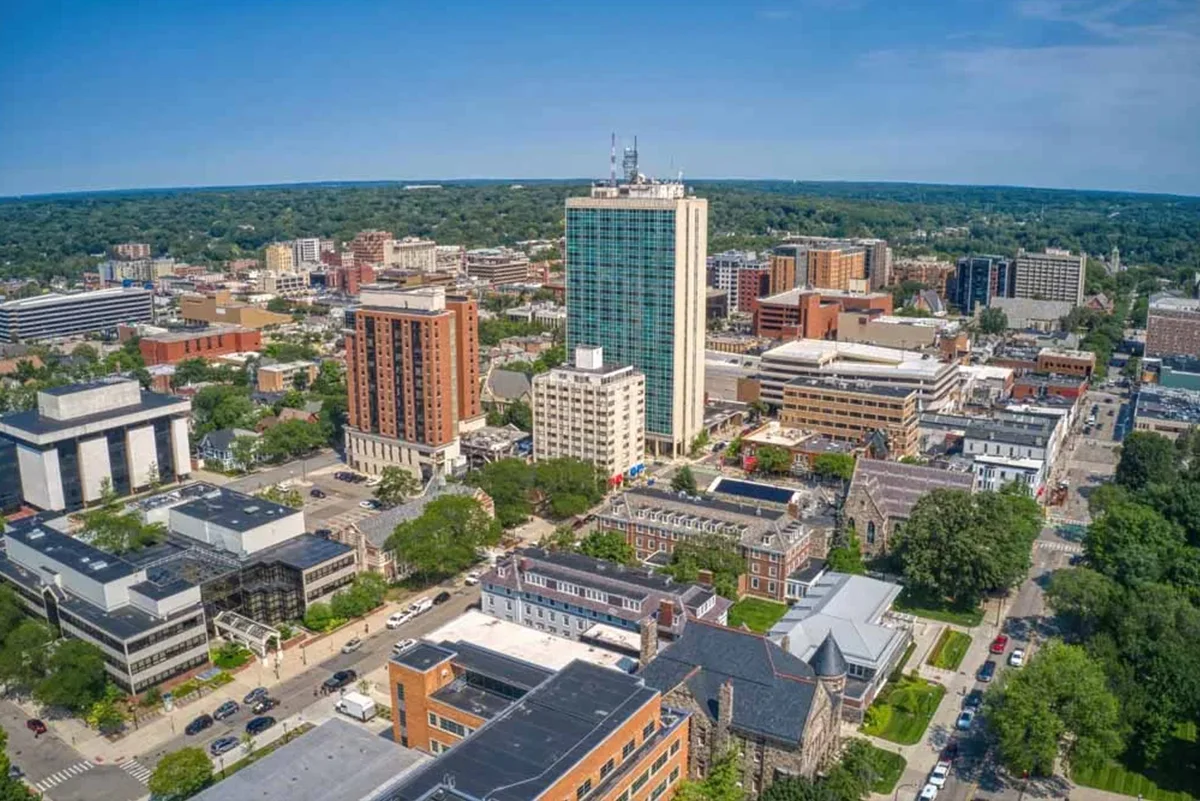
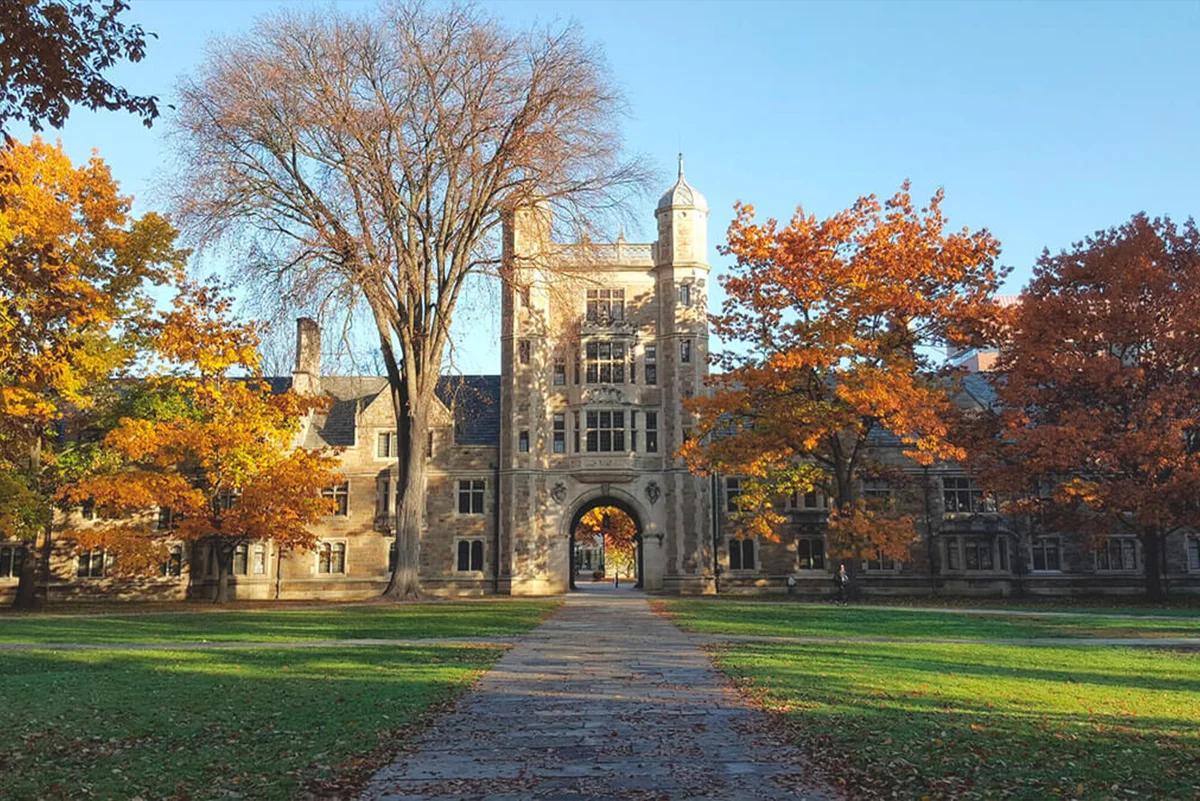

If you want a place where education, community values, and everyday quality of life come together naturally, Ann Arbor deserves serious attention. Families choose this city because it offers an environment built around learning, stability, and long-term opportunity.
Ann Arbor regularly ranks among the best places to raise a family in the US because of its exceptional public schools, strong healthcare system, and highly educated community. Families benefit from:
The city offers:
- Highly ranked public schools
- One of the most educated populations in the U.S.
- Strong healthcare and research institutions
- Stable employment environment
- Active community engagement
Ann Arbor offers strong value for its quality of services, though housing demand keeps prices competitive.
| Factor | Ann Arbor Average | U.S. Major City Comparison |
|---|---|---|
| Median Home Price | ~$490,000–$520,000 | Moderate for a high-demand city |
| Average Rent (2-bedroom) | $1,700–$2,100/month | Moderate |
| Cost of Living Index | ~110 | Above national average |
| Property Taxes | Higher than national average | Supports strong public services |
Education is the foundation of Ann Arbor’s appeal
- Ann Arbor Public Schools consistently rank among the top in Michigan
- Student–teacher ratio around 17:1
- Graduation rates above 93 percent
- Strong STEM and research-based learning programs
- Home to the University of Michigan, one of the top public universities in the country
Ann Arbor offers a safe and stable environment compared to many similar-sized cities.
- Violent crime rates lower than national average
- Strong community policing and neighborhood programs
- Safe residential districts and suburban surroundings
- High community involvement and local engagement
Ann Arbor’s economy is stable and knowledge-driven.
| Economic Factor | Details |
|---|---|
| Major Industries | Education, healthcare, research, technology |
| Median Household Income | ~$87,000+ |
| Major Employer | University of Michigan and healthcare system |
| Economic Stability | Very strong due to university presence |
Healthcare access in Ann Arbor is exceptional.
- University of Michigan Health System ranked among top U.S. hospitals
- Advanced pediatric and specialized care
- High physician availability
- Strong preventive and family healthcare services
Ann Arbor supports families with strong education and childcare resources.
- Wide range of licensed childcare centers
- Early childhood education programs
- Community family support services
- After-school learning programs
Ann Arbor offers a rich mix of education, nature, and culture.
- 160+ public parks and recreation areas
- Huron River activities and nature trails
- Hands-on science and children’s museums
- Libraries and educational programs
- Family-friendly festivals and community events
Ann Arbor provides a traditional four-season climate with beautiful natural surroundings
| Factor | Details |
|---|---|
| Summers | Warm and comfortable |
| Winters | Cold with regular snowfall |
| Natural Environment | Rivers, parks, tree-lined neighborhoods |
| Air Quality | Generally good |
Ann Arbor works especially well for:
- Families prioritizing education and intellectual environment
- Healthcare and academic professionals
- Families seeking strong community engagement
- Parents focused on long-term stability
- Remote workers seeking a quieter lifestyle
Ann Arbor offers many benefits, but there are a few considerations.
- Housing demand keeps prices competitive
- Winters can be cold and long
- Smaller job market outside the education and healthcare sectors
- Property taxes are higher than average
| Evaluation Factor | Weight | Score (Out of 10) | Weighted Score |
|---|---|---|---|
| Safety | 25% | 8.4 | 2.10 |
| Housing and Affordability | 20% | 7.3 | 1.46 |
| Education Quality | 15% | 9.4 | 1.41 |
| Job Market and Income | 10% | 8.5 | 0.85 |
| Healthcare Access | 10% | 9.5 | 0.95 |
| Childcare and Family Services | 5% | 8.6 | 0.43 |
| Quality of Life and Amenities | 5% | 9.0 | 0.45 |
| Commute and Transportation | 5% | 8.2 | 0.41 |
| Taxes and Long-Term Stability | 5% | 7.6 | 0.38 |
Total Score: 8.44 / 10
Boulder, Colorado



If your vision of raising a family includes fresh air, active living, strong schools, and a healthier daily routine, Boulder offers a lifestyle that is hard to match. Families who move here are usually looking for more than just a house. They want a place where their children grow up active, independent, and connected to nature.
Boulder performs exceptionally well in education quality, environmental health, safety, and overall lifestyle satisfaction.
Families benefit from:
- Top-ranked public schools
- Very low crime rates
- Clean environment and excellent air quality
- Strong job market with high income levels
- Extensive outdoor recreation access
Boulder offers an exceptional quality of life, but housing costs are significantly above the national average.
| Factor | Boulder Average | U.S. Major City Comparison |
|---|---|---|
| Median Home Price | ~$850,000–$900,000 | Much higher than national average |
| Average Rent (2-bedroom) | $2,400–$2,900/month | High |
| Cost of Living Index | ~150 | Well above national average |
| Property Taxes | Relatively moderate for Colorado | Lower than many high-cost states |
Education is a major reason families choose Boulder.
- Boulder Valley School District ranked among the top districts in Colorado
- Student–teacher ratio around 17:1
- Graduation rates are around 95 percent
- Strong focus on STEM, arts, and environmental education
- Home to the University of Colorado Boulder
Boulder offers a safe and highly organized environment.
- Violent crime rates are significantly below national average
- Well-maintained neighborhoods and public spaces
- Active community policing programs
- Strong civic engagement and neighborhood networks
Boulder provides strong economic opportunities, especially in innovation-driven industries.
| Economic Factor | Details |
|---|---|
| Major Industries | Technology, aerospace, research, and clean energy |
| Median Household Income | ~$94,000+ |
| Job Market | Strong innovation and startup ecosystem |
| Regional Advantage | Close to Denver job market |
Healthcare access in Boulder is reliable and high quality.
- Advanced medical centers and family healthcare services
- Strong preventive and wellness-focused care
- Access to Denver’s major hospital network
- High physician availability
Boulder supports family life with strong education and childcare systems.
- High-quality childcare and early education programs
- Licensed daycare centers across the city
- Community family support services
- Youth enrichment and outdoor learning programs
Boulder is designed around outdoor and community living.
- 300+ miles of hiking and biking trails
- Mountain parks and open spaces
- Nature and science centers for children
- Community events and cultural programs
- Family-friendly downtown and pedestrian areas
Boulder offers a healthy environment with strong natural surroundings.
| Factor | Details |
|---|---|
| Summers | Warm and sunny |
| Winters | Cold with occasional snowfall |
| Natural Environment | Mountains, open space, clean air |
| Air Quality | Among best in U.S. |
| Natural Disaster Risk | Occasional wildfire risk |
Boulder works especially well for:
- High-income professional families
- Families prioritizing health and outdoor lifestyle
- Parents focused on education and wellness
- Remote workers seeking quality of life
- Environmentally conscious households
Boulder offers exceptional living standards, but there are some considerations.
- High housing and living costs
- Competitive housing market
- Smaller job market compared to large metros
- Higher cost of childcare and services
| Evaluation Factor | Weight | Score (Out of 10) | Weighted Score |
|---|---|---|---|
| Safety | 25% | 8.7 | 2.17 |
| Housing and Affordability | 20% | 6.2 | 1.24 |
| Education Quality | 15% | 9.0 | 1.35 |
| Job Market and Income | 10% | 8.8 | 0.88 |
| Healthcare Access | 10% | 8.9 | 0.89 |
| Childcare and Family Services | 5% | 8.5 | 0.42 |
| Quality of Life and Amenities | 5% | 9.6 | 0.48 |
| Commute and Transportation | 5% | 8.3 | 0.41 |
| Taxes and Long-Term Stability | 5% | 8.0 | 0.40 |
Total Score: 8.24 / 10
Naperville, Illinois
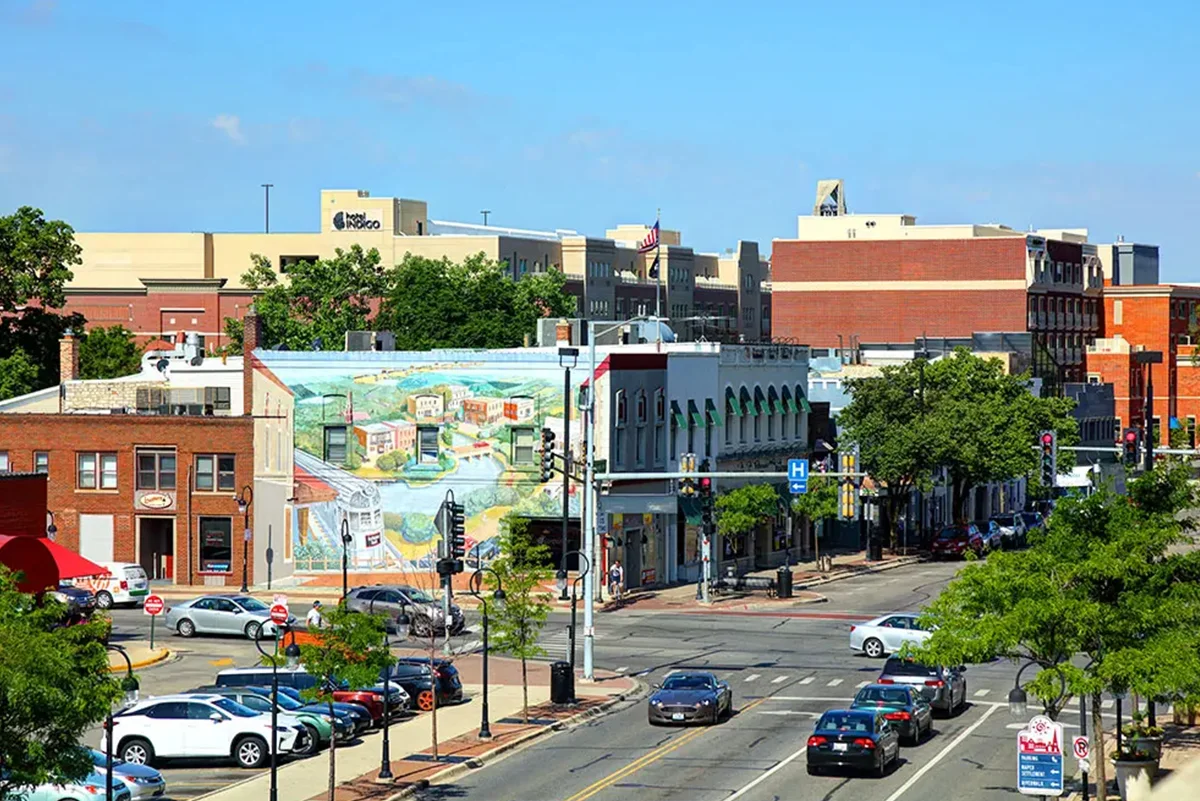

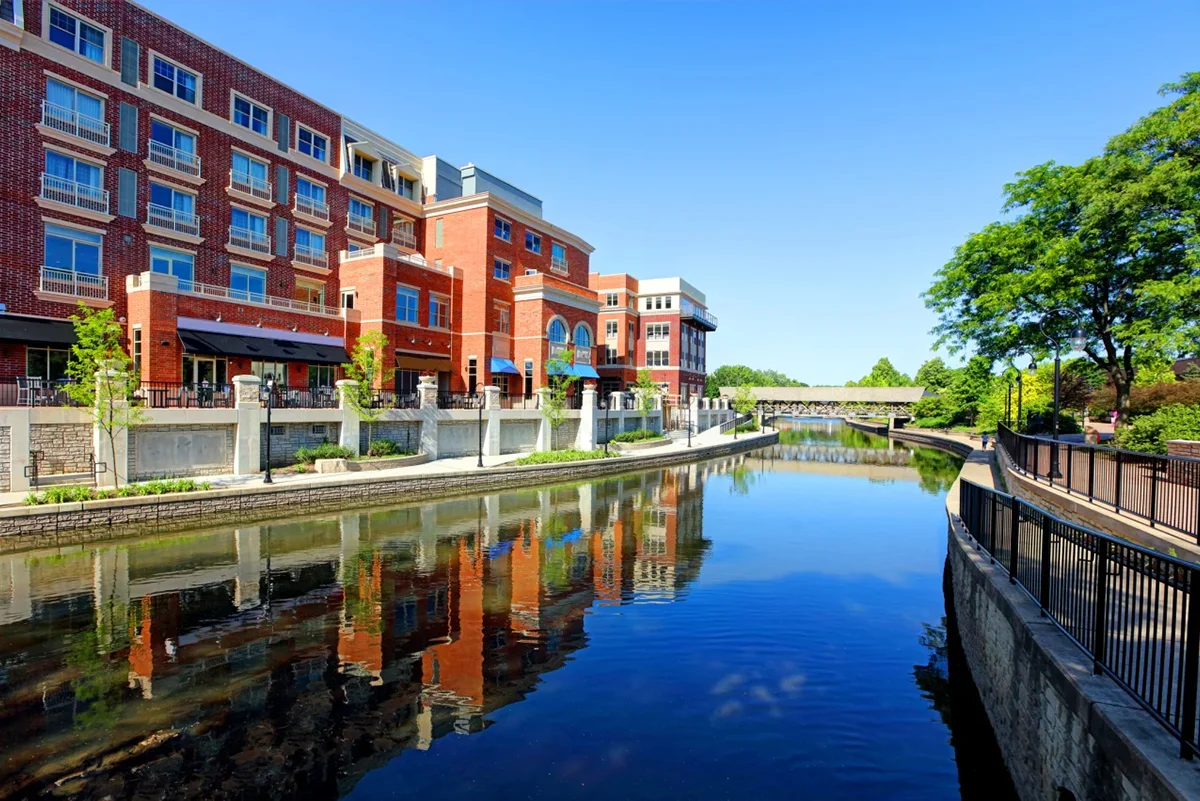
If you are looking for a place where strong schools, safe neighborhoods, and structured suburban living come together naturally, Naperville often becomes a serious contender. Families move here because daily life feels organized, predictable, and supportive for children’s growth.
Naperville performs exceptionally well in safety, education, community planning, and household income levels. The city has repeatedly ranked as one of the safest cities in America and is known for its highly engaged community.
Families benefit from:
- Nationally ranked public schools
- Consistently low crime rates
- High median household income
- Well-planned residential communities
- Access to Chicago’s job market
Naperville is more expensive than the national average but offers strong value through school quality and safety.
| Factor | Naperville Average | U.S. Major City Comparison |
|---|---|---|
| Median Home Price | ~$520,000–$560,000 | Higher than national average |
| Average Rent (2-bedroom) | $1,900–$2,300/month | Moderate to high |
| Cost of Living Index | ~122 | Above national average |
| Property Taxes | Higher than national average | Supports strong public schools |
Education is Naperville’s strongest advantage.
- Naperville Community Unit School District 203 and Indian Prairie District 204 are nationally ranked
- Student–teacher ratio around 15:1
- Graduation rates around 95 percent
- Strong advanced placement and college readiness programs
- High academic performance across subjects
Naperville is widely known for exceptional safety.
- Violent crime rates far below national average
- Consistently ranked among the safest cities to raise a family
- Well-funded police and emergency services
- Strong neighborhood engagement
Naperville benefits from a strong regional economy and high income levels
| Economic Factor | Details |
|---|---|
| Median Household Income | ~$135,000+ |
| Major Industries | Technology, finance, healthcare, education |
| Regional Advantage | Access to Chicago metro job market |
| Employment Stability | Strong professional workforce |
Healthcare services in Naperville are extensive and accessible.
- Multiple top-rated hospitals nearby
- Specialized pediatric and family healthcare services
- Access to Chicago’s major medical centers
- High-quality preventive and emergency care
Naperville provides strong support systems for parents.
- Large number of licensed daycare centers
- Early childhood education programs
- Youth enrichment and after-school programs
- Community family support services
Naperville is built around community engagement and family activities.
- The Riverwalk, one of the most family-friendly public spaces in the U.S.
- 130+ parks and recreational facilities
- Libraries and learning centers
- Youth sports leagues and cultural programs
- Family-focused festivals and events
Naperville offers a traditional Midwestern climate with distinct seasons.
| Factor | Details |
|---|---|
| Summers | Warm and humid |
| Winters | Cold with snowfall |
| Natural Environment | Parks, riverfront areas, suburban green spaces |
| Air Quality | Generally good |
Naperville works especially well for:
- Families prioritizing top-ranked schools
- High-income professional households
- Families seeking suburban stability near a major city
- Parents focused on long-term education outcomes
- Families wanting structured community living
Naperville offers excellent family living, but there are some considerations.
- Higher property taxes than national average
- Winters can be cold and long
- Housing demand keeps prices competitive
- Commute to Chicago may be long depending on location
| Evaluation Factor | Weight | Score (Out of 10) | Weighted Score |
|---|---|---|---|
| Safety | 25% | 9.4 | 2.35 |
| Housing and Affordability | 20% | 7.0 | 1.40 |
| Education Quality | 15% | 9.6 | 1.44 |
| Job Market and Income | 10% | 9.0 | 0.90 |
| Healthcare Access | 10% | 8.9 | 0.89 |
| Childcare and Family Services | 5% | 8.7 | 0.43 |
| Quality of Life and Amenities | 5% | 9.1 | 0.45 |
| Commute and Transportation | 5% | 7.6 | 0.38 |
| Taxes and Long-Term Stability | 5% | 7.1 | 0.35 |
Total Score: 8.59 / 10
Cary, North Carolina
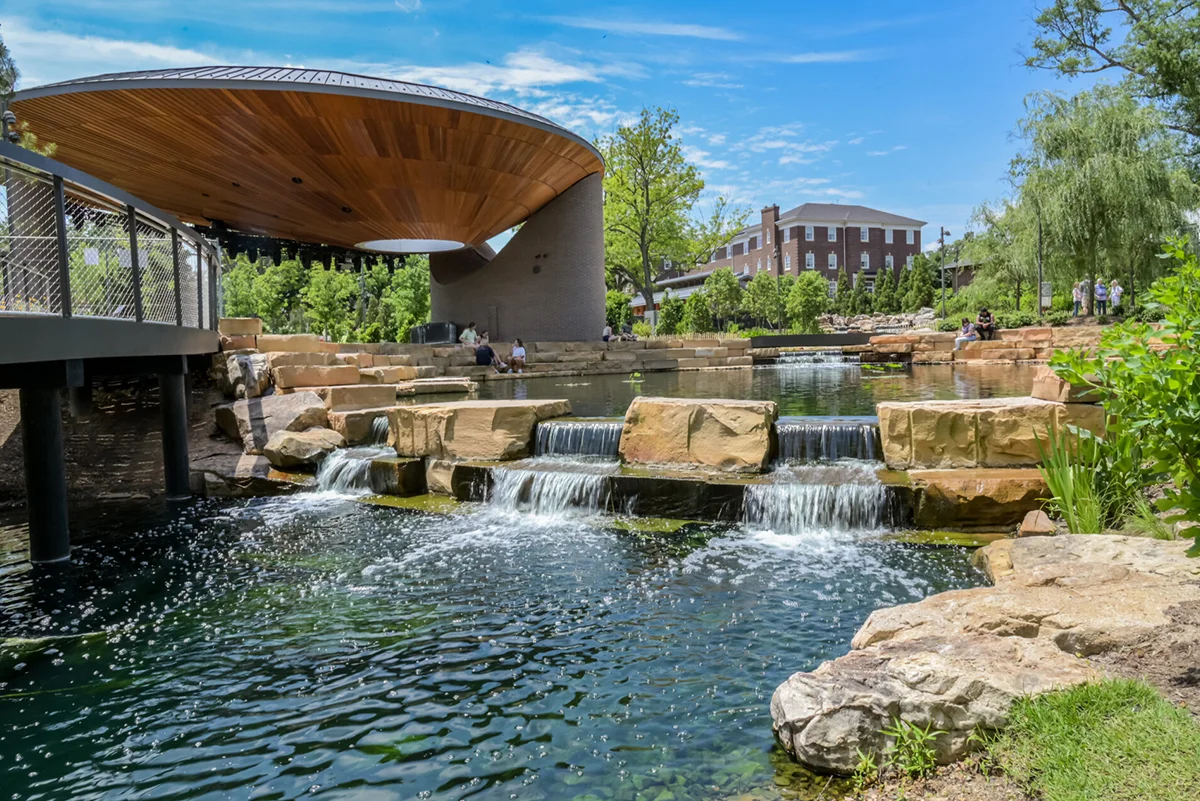

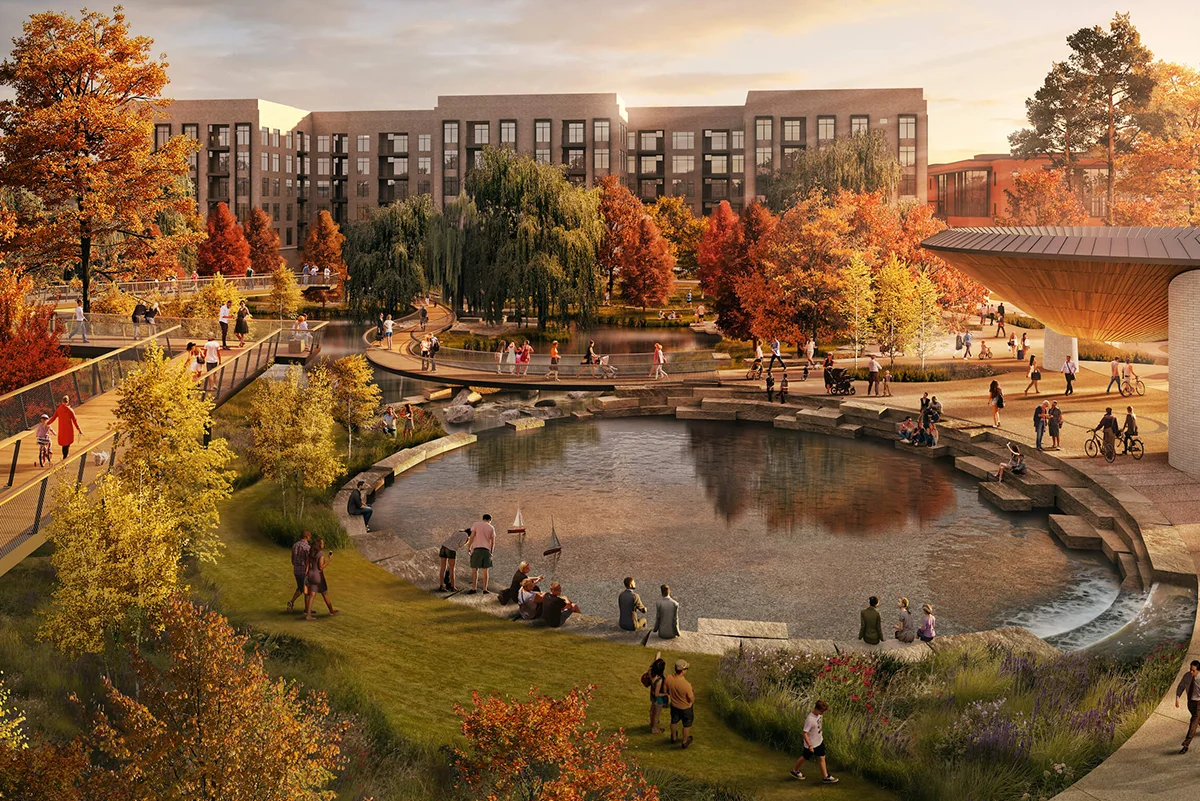
If you want suburban comfort, excellent schools, strong safety, and a slower pace of life without losing access to major job opportunities, Cary quietly becomes one of the smartest choices for families. Many people discover Cary while researching Raleigh, but once they explore it closely, they realize this town offers something even more focused on family living.
Cary performs exceptionally well in safety, education, community planning, and quality of life. The town has been carefully developed with residential living, green space, and family services in mind.
Families benefit from:
- Extremely low crime rates
- Top-performing public schools
- Strong job market nearby (Raleigh–Durham region)
- Well-planned neighborhoods and infrastructure
- High community satisfaction and stability
Cary offers a strong balance between affordability and quality compared to many high-growth metro areas.
| Factor | Cary Average | U.S. Major City Comparison |
|---|---|---|
| Median Home Price | ~$520,000 | Moderate for a high-demand area |
| Average Rent (2-bedroom) | $1,700–$2,100/month | Moderate |
| Cost of Living Index | ~105 | Slightly above national average |
| Property Taxes | Lower than national average | Financial advantage |
Education is one of Cary’s biggest strengths.
- Part of the highly rated Wake County Public School System
- Student–teacher ratio around 16:1
- Graduation rates above 90 percent
- Strong STEM and college preparation programs
- Access to top universities nearby (UNC, Duke, NC State)
Cary is widely recognized for exceptional safety standards.
- Violent crime rates significantly below national average
- Consistently ranked among the safest cities to raise a family
- Highly responsive emergency services
- Well-maintained neighborhoods and community planning
Cary benefits from one of the fastest-growing regional economies in the country.
| Economic Factor | Details |
|---|---|
| Major Industries | Technology, research, healthcare, education |
| Median Household Income | ~$118,000+ |
| Regional Advantage | Access to Research Triangle Park job market |
| Employment Outlook | Strong long-term growth |
Healthcare services in cary are extensive and accessible.
- High-quality hospitals and medical centers nearby
- Strong pediatric and family healthcare services
- Access to advanced research hospitals in the region
- High physician availability
Cary is structured to support working families.
- Large network of licensed childcare centers
- Early childhood education programs
- Youth enrichment and after-school programs
- Family counseling and support services
Cary focuses heavily on outdoor living and community activity.
- 80+ miles of greenways and walking trails
- Numerous parks and playgrounds
- Community centers and cultural programs
- Family festivals and local events
- Sports and recreation facilities
Cary offers a comfortable climate that supports year-round outdoor activity.
| Factor | Details |
|---|---|
| Summers | Warm and humid |
| Winters | Mild with minimal snowfall |
| Natural Environment | Tree-lined neighborhoods, green spaces |
| Natural Disaster Risk | Relatively low |
Cary works especially well for:
- Growing families seeking safe suburban living
- Dual-income professional households
- Families prioritizing education and stability
- Remote workers relocating from expensive cities
- First-time homebuyers seeking long-term value
Cary offers strong advantages, but there are some considerations.
- Rapid population growth increases housing demand
- Limited public transportation options
- Slower pace may not suit urban lifestyles
- Summers can feel humid
| Evaluation Factor | Weight | Score (Out of 10) | Weighted Score |
|---|---|---|---|
| Safety | 25% | 9.4 | 2.35 |
| Housing and Affordability | 20% | 7.0 | 1.40 |
| Education Quality | 15% | 9.6 | 1.44 |
| Job Market and Income | 10% | 9.0 | 0.90 |
| Healthcare Access | 10% | 8.9 | 0.89 |
| Childcare and Family Services | 5% | 8.7 | 0.43 |
| Quality of Life and Amenities | 5% | 9.1 | 0.45 |
| Commute and Transportation | 5% | 7.6 | 0.38 |
| Taxes and Long-Term Stability | 5% | 7.1 | 0.35 |
Total Score: 8.79 / 10
Side-by-Side Comparison of Top 8 Places to Raise a Family in the U.S. (2026)
Percentile Ranking
Performance Trend Index (Last 10 Years)
Each year, every city gets a score from 0 to 100 based on:
- Safety trend (crime direction)
- Affordability trend (housing vs income pressure)
- Job strength trend (employment and income momentum)
- Family services trend (childcare and household support availability signal)
- School strength trend (school consistency signal)
How to read it
- 2016 = 100 for every city (baseline).
- Higher than 100 means improved overall family-livability momentum.
- Lower than 100 means the place became harder for families overall (often affordability driven).
Best Places by Family Situation
Every family is different. Some parents care more about childcare access, some about teen education, and some about work flexibility or affordability. So instead of giving one universal answer, let’s narrow down best places based on your specific family situation.
Best Places for Families with Young Children
These locations offer strong early education, safe neighborhoods, excellent pediatric healthcare, and plenty of parks and childcare services.
| Place | State | Key Advantage for Young Kids | Childcare Availability | Safety Level | Cost of Living |
|---|---|---|---|---|---|
| Irvine | California | Top early education programs | Excellent | Very High | High |
| Cary | North Carolina | Family-focused neighborhoods | High | Very High | Moderate |
| Gilbert | Arizona | Safe suburban environment | High | Very High | Moderate |
| Overland Park | Kansas | Strong community programs | High | High | Moderate |
| Franklin | Tennessee | Supportive community living | Moderate | High | Moderate |
Best Places for Families with Teens
Families with teenagers prioritize strong high schools, extracurricular programs, college preparation, and safe environments.
| Place | State | School Quality | Graduation Rates | Youth Programs | Safety Level |
|---|---|---|---|---|---|
| Naperville | Illinois | Exceptional | ~95% | Extensive | Very High |
| Bellevue | Washington | Top-tier | ~93% | Strong STEM programs | High |
| Ann Arbor | Michigan | Excellent | ~93% | Research exposure | High |
| Lexington | Massachusetts | Elite | ~96% | Academic excellence | Very High |
| Plano | Texas | Top-rated | ~96% | Advanced placement programs | Very High |
Best Places for Single-Parent Households
Single-parent families often prioritize affordability, support services, healthcare access, and reliable job opportunities.
| Place | State | Affordability | Job Market | Public Services | Cost of Living |
|---|---|---|---|---|---|
| Des Moines | Iowa | Very High | Growing | Strong | Low |
| Minneapolis | Minnesota | Moderate | Strong | Excellent | Moderate |
| Pittsburgh | Pennsylvania | High | Stable | Strong | Low |
| Omaha | Nebraska | Very High | Stable | Good | Low |
| Albuquerque | New Mexico | Moderate | Growing | Good | Low |
Best Places for Dual-Income Working Parents
Working parents often need reliable childcare, strong job markets, short commutes, and family services.
| Place | State | Job Market Strength | Average Commute | Childcare Access | Median Household Income |
|---|---|---|---|---|---|
| Raleigh | North Carolina | Very Strong | ~26 mins | High | $82K+ |
| Seattle | Washington | Exceptional | ~27 mins | High | $115K+ |
| Austin | Texas | Very Strong | ~25 mins | Moderate | $95K+ |
| Denver | Colorado | Strong | ~25 mins | High | $90K+ |
| Reston | Virginia | Strong | ~28 mins | High | $120K+ |
Best Places for Remote-Work Families
Remote families usually prioritize affordability, space, reliable internet, quality of life, and lifestyle balance.
| Place | State | Cost of Living | Lifestyle Quality | Internet Infrastructure | Housing Value |
|---|---|---|---|---|---|
| Boise | Idaho | Moderate | High | Strong | High |
| Boulder | Colorado | High | Exceptional | Excellent | Moderate |
| Madison | Wisconsin | Moderate | High | Strong | Good |
| Chattanooga | Tennessee | Low | Growing | Excellent | High |
| Spokane | Washington | Moderate | High | Strong | Good |
Best Places for Large Families
Large households typically prioritize housing space, affordability, school quality, and community stability.
| Place | State | Housing Affordability | Home Size Availability | School Quality | Cost of Living |
|---|---|---|---|---|---|
| Fort Wayne | Indiana | Excellent | Large homes | Good | Very Low |
| San Antonio | Texas | High | Large homes | Good | Moderate |
| Oklahoma City | Oklahoma | Very High | Spacious housing | Moderate | Low |
| Columbus | Ohio | High | Strong suburban options | Good | Moderate |
| Huntsville | Alabama | High | Large homes | Strong | Low |
Relocation Checklist for Families
Use this as your family relocation checklist. As you complete each task, simply check the box.
Finalize new home (lease or purchase agreement signed)
Create a complete moving budget (packing, transport, deposits, travel costs)
Use a moving cost calculator to estimate total relocation expenses
Research and hire one of the best movers
Compare services and reviews to compare movers
Book trusted best interstate movers if moving across states
Confirm moving date and timeline
Inform current school about transfer
Collect school records and certificates
Transfer medical records and vaccination history
Research nearby hospitals and pediatricians
Notify employer and confirm work arrangements
Prepare Your Children
Explain the move clearly to children
Discuss new school, home, and neighborhood
Show pictures or videos of the new place
Involve children in planning their new room
Plan how children will stay in touch with friends
Secure Housing & Schools
Declutter and donate unnecessary items
Pack children’s daily essentials separately (toys, books, comfort items)
Label boxes by room for easy unpacking
Prepare an essentials bag for the first week (clothes, medicines, documents)
Secure important documents (IDs, school records, medical papers)
Schedule utility disconnection at current home
Arrange address change for mail and subscriptions
Final Prep
Arrange electricity, water, and internet connection
Check home safety measures (locks, smoke detectors, child safety features)
Set up basic furniture and sleeping arrangements
Locate nearby grocery stores and pharmacies
Confirm school enrollment process and start dates
Moving Day Essentials
Confirm moving company arrival time
Keep snacks, water, and entertainment for children
Keep important documents and valuables with you
Check old home for remaining items before leaving
Inspect new home before unloading belongings
Direct movers for proper box placement