



Most people think the hard part of moving is packing boxes or hiring the best movers. But the real stress usually begins after you arrive at the new place and realize the lights are not working, or the water service is still tied to the previous owner.
That is exactly why it is important to learn how to transfer utilities when moving in the United States.
Every year, a huge percentage of movers face delays with utility services because they either contacted providers too late or did not know which utilities to transfer.
Moving already puts enough pressure on your mind. And in the middle of all that chaos, utility transfers become an afterthought. That is where people make expensive mistakes or miss the best time to cancel utilities when moving.
Let’s discuss and make the entire process simpler and more manageable. In this guide, you will learn exactly how to transfer utilities when moving, when to contact providers and how to avoid unnecessary stress.
What Does It Mean to Transfer Utilities When Moving?
When people hear the phrase transfer utilities when moving, they often think it simply means calling the electricity company and giving them a new address. In reality, it is much more than that.
Utility transfer means making sure every essential service connected to your current home is either moved, canceled, updated, or activated correctly before you settle into the new place.
In some situations, you may simply transfer your existing account to a new address. In other cases, you may need to completely close one account and open another because your current provider does not operate in the new area.
This is also where people get confused about the difference between:
- transferring utilities
- canceling utilities
- starting new utility services
For example, if you are staying within the same service area, your internet provider may simply move your account to the new home. But if you are moving out of state, you may need a completely different provider and a fresh installation appointment for your internet and cable setup.
Which Utilities Do You Need to Transfer or Set Up?
Before moving day arrives, you need to make sure every essential home service is either transferred, activated, or scheduled at your new address.
Here are the main utilities most people need to handle during a move:
- Electricity
- Natural Gas
- Water
- Sewer
- Trash and Recycling
- Internet Service
- Cable or Streaming Services
- Home Phone or Landline
- Mobile Phone Service
- Home Security Systems
- Smart Home Services
- Solar Energy Services
- HOA Utility Services (if applicable)
💡When Should You Transfer Utilities Before Moving?
Most people should handle utilities about 2 weeks before moving day. This helps avoid delays and ensures everything is active when you arrive at your new home.
Recommended Utility Transfer Timeline
- 3 to 4 weeks before moving: Research utility providers and create a utility transfer checklist
- 2 weeks before moving: Schedule utility transfers and installations
- 1 week before moving: Confirm all appointments and update your utility address details
- 1 day before moving: Double-check that services are active at your new home
Best Time to Schedule Shutoff at Your Old Home
The best time to cancel utilities when moving is usually the day after you leave your old home. This ensures you don’t lose service too early while still avoiding extra charges.
Best Time to Schedule Activation at Your New Home
Set up utilities 1 to 2 days before move-in day, especially electricity and gas, so your new home is fully ready when you arrive.
How to Transfer Utilities When Moving (Step by Step)
If you are wondering how to transfer utilities when moving, the good news is that the process is not complicated once you handle it in the right order.
Step 1: Make a Complete List of Your Current Utilities
Start by writing down every service connected to your current home. Most people remember electricity and the internet, but forget smaller services until after they move.
Your list may include:
- electricity and gas
- water and sewer
- trash collection
- internet provider
- cable or streaming services
- home security systems
- propane or heating oil
- HOA managed utilities
A simple utility transfer checklist can save you from late fees, collections, or double-billing later.
Step 2: Check Which Utility Providers Serve Your New Address
This is important because your current providers may not operate in your new area.
For example, many people moving across states discover they need completely different providers for electricity, water, or internet. This is very common during long-distance moves.
You can usually find utility provider information through:
- your landlord or property manager
- your realtor
- local city or county websites
- previous homeowners
- state public utility commission websites
For water and sewer services, many cities handle accounts directly through local government departments.
Step 3: Contact Utility Companies Early
Do not wait until moving week.
Most utility companies recommend scheduling transfers at least 10 to 14 days before your move. Some internet companies need technician appointments that book out even further.
When you contact providers, be ready with:
- your old address
- your new address
- move out date
- move in date
- account number
- identification details
Step 4: Schedule Shutoff Dates for Your Current Home
The goal here is simple. You want utilities active while you are still packing and cleaning, but not days after you leave.
The best time to cancel utilities when moving is usually the day after your move or later in the evening on moving day itself.
That small overlap gives you breathing room in case your move gets delayed.
Step 5: Schedule Utility Activation at the New Home
Next, arrange service activation at your new address.
Try to set up utilities in a new home at least one day before arrival. That way, you are not spending your first night waiting for services to start.
Pay extra attention to:
- electricity and gas
- water activation
- internet and cable setup
- smart home systems
- security monitoring services
Internet installations take longer than people expect, especially during busy moving seasons.
Step 6: Update Your Billing Address and Payment Information
Many people forget this step and continue receiving bills at their old address.
Make sure you properly change utility address details for every provider and update:
- autopay information
- mailing address
- email notifications
- phone numbers
You should also update your address with the United States Postal Service through USPS Change of Address.
Step 7: Confirm Everything Before Move In Day
Never assume the appointment is guaranteed just because you scheduled it online.
Call or check your account portal 24 to 48 hours before moving day and confirm:
- activation dates
- technician visits
- account transfers
- equipment shipments
- service availability
Step 8: Take Final Meter Readings and Keep Records
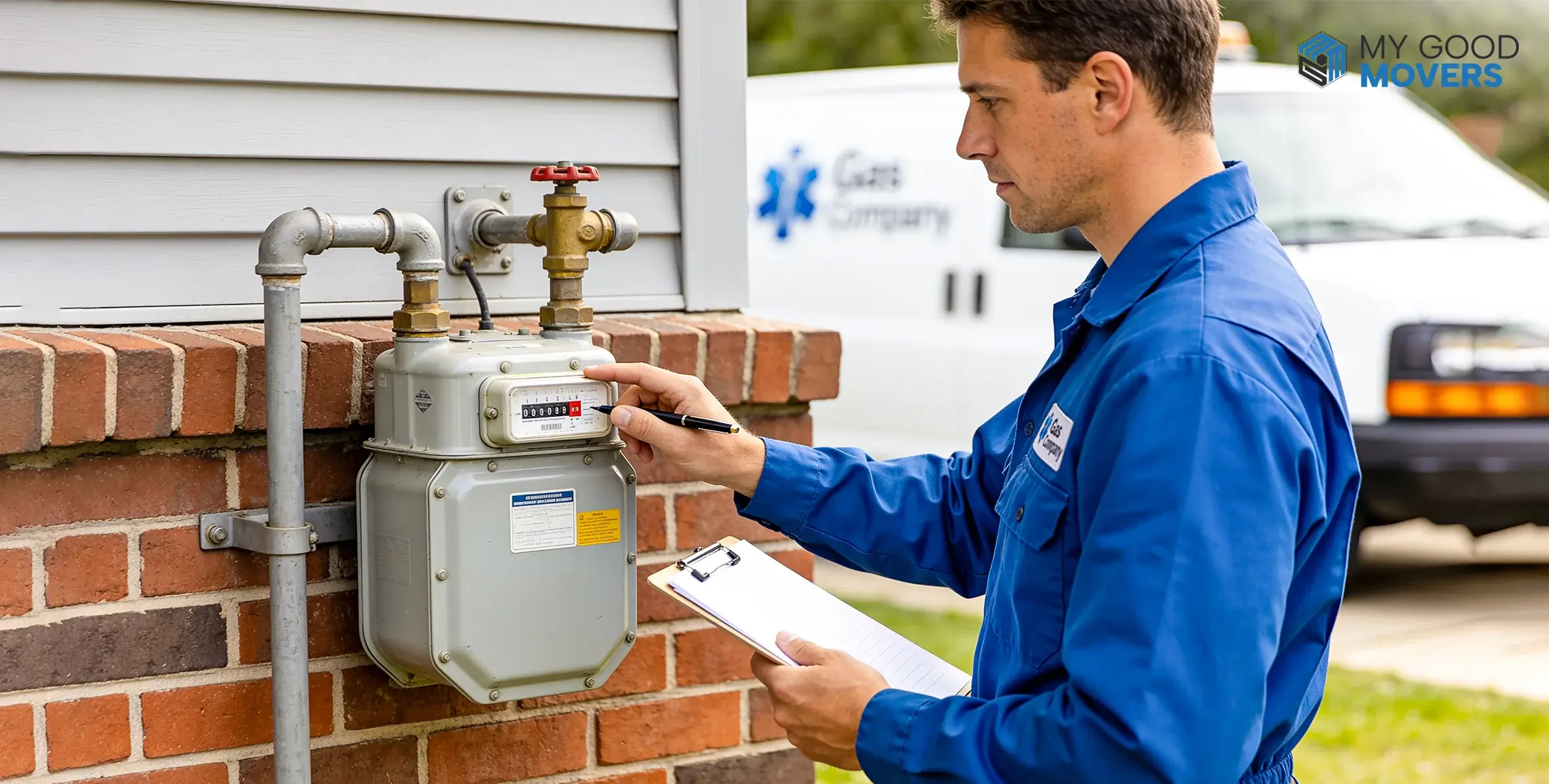
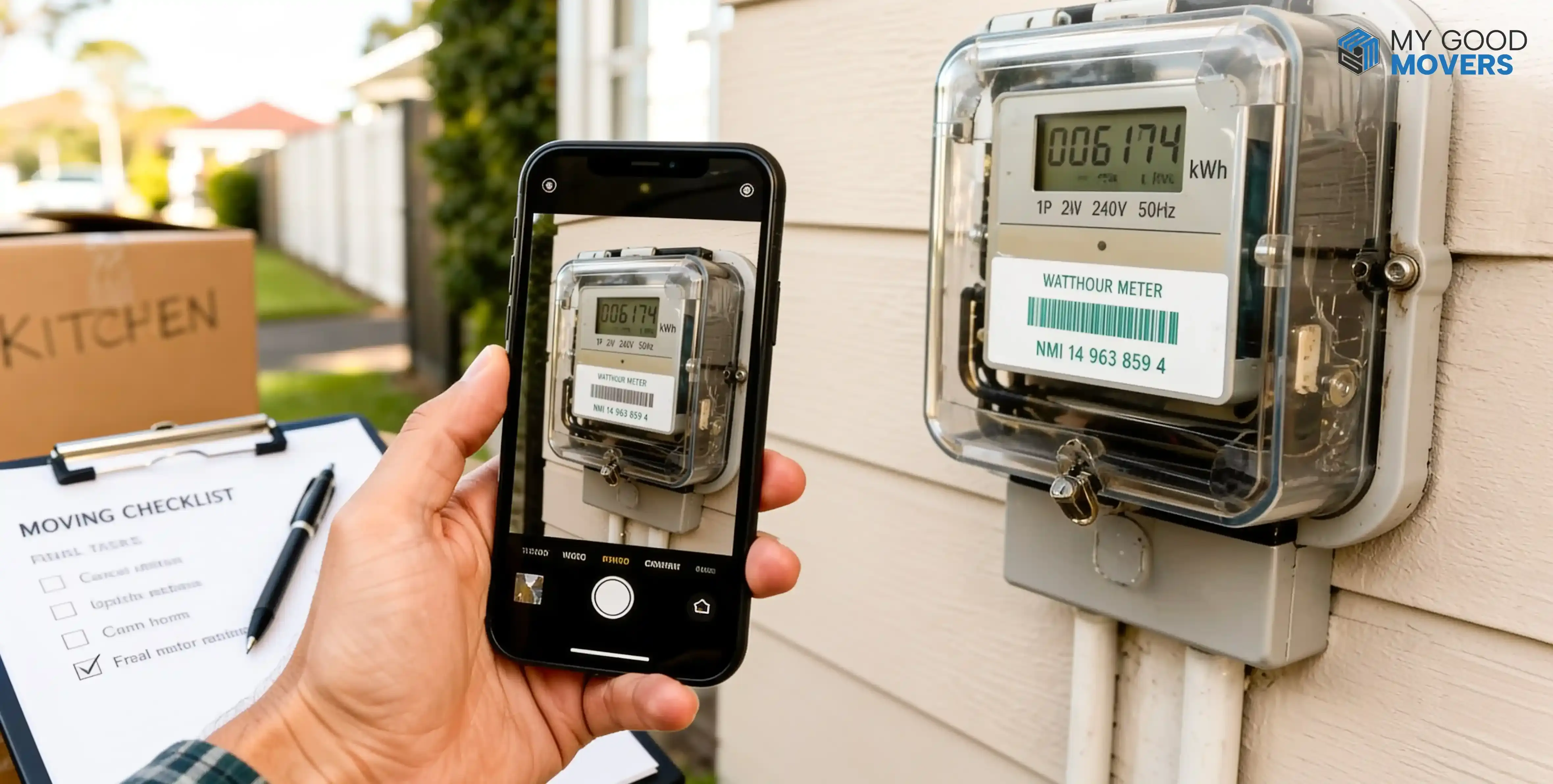
Before leaving your old home, take photos of utility meters if possible.
That includes:
- electricity meter
- gas meter
- water meter
These records protect you if billing disputes happen later.
Keep copies of:
- cancellation confirmations
- activation receipts
- final bills
- transfer emails
If problems happen later, you will have proof of dates and service changes instead of relying on customer support records alone.
One checklist. Zero moving regrets.
This ultimate moving checklist helps you stay ahead of every step so nothing important gets missed before moving day arrives.
Download Your Ultimate Moving ChecklistInformation You Need Before Contacting Utility Companies
Before you contact any provider, keep these details ready to make the process faster and smoother:
- Full name on the account
- Current address
- New address
- Move out date
- Move in date
- Utility account numbers
- Government issued ID
- Social Security Number (sometimes required)
- Contact number and email address
- Preferred service start and stop dates
- Payment method or banking details
- Landlord or property manager information
- Lease agreement or proof of residence
- Meter readings for the current home
Utility Transfer Tips for Renters
If you are renting a house or apartment, a few small utility mistakes can quickly turn into extra charges, delays, or move in day stress. These tips will help you avoid common renter problems.
Check Which Utilities Are Already Included in Rent
Some apartments already include water, trash, or internet in the monthly rent. Always confirm this before opening new accounts.
Ask Your Landlord About Approved Providers
Certain buildings only allow specific internet or cable companies. Checking this early can save you time and installation delays.
Transfer Utilities Before Lease Start Date
Try to activate services at least one day before moving in so you are not sitting in an empty apartment without power or Wi Fi.
Keep Proof of Utility Transfers
Save confirmation emails, bills, and account numbers. This helps if there is any billing issue after you move out.
Schedule Shutoff After Final Move Out
Do not cancel utilities too early. You may still need lights, water, or internet while cleaning and moving your belongings.
Utility Transfer Tips for Homeowners
If you are moving into a home you own, utility transfers usually involve more responsibility because several services may need inspections or ownership verification before activation.
Confirm Utility Responsibility Before Closing
Make sure you know which utilities are active and when they officially become your responsibility after closing day.
Contact Providers Before Move In Week
Some services, especially electricity and gas, require extra processing time for homeowners. Scheduling early helps avoid delays.
Check for Outstanding Balances on the Property
In some areas, unpaid utility balances from previous owners can delay activation. Confirm everything is cleared before move in day.
Schedule Internet Installation Early
Your internet and cable setup requires technician appointments, especially in newly built homes or rural areas.
Inspect Utility Systems After Activation
Once services are active, test water pressure, heating, air conditioning, outlets, and internet connections before fully settling in.