



If you are reading this, you must be figuring out how to move a hot tub. It is that mixed feeling of “I can handle this” confidence and the quiet worry that one wrong move could crack the shell or hurt someone’s back.
A hot tub is not just a big box in your yard. It is a comfort habit, and sometimes a selling point for a home. In the U.S. alone, there are an estimated 7.3 million hot tubs in use, so you are definitely not the only person trying to get one from Point A to Point B.
But why does this feel intimidating? Even when it is empty, many mid to large hot tubs commonly weigh hundreds of pounds, and larger models are in the 800 to 1,000 pound range before you add water or people.
That means this is not like moving a couch, and even couches send plenty of people to the ER. So if you have been thinking about moving a hot tub by yourself, your instincts are doing their job. This is exactly the kind of project where confidence is helpful, but caution is smarter.
Let's discuss the steps to move a hot tub, the right tools for moving a hot tub, a realistic answer to “can you move a hot tub alone,” and when hot tub moving services or professional hot tub movers make more sense than a DIY attempt.
Hot Tub Size and Weight
When planning how to move a hot tub, one of the first things you need to understand is exactly how big and heavy it is.
| Size Category | Seating Capacity | Empty Weight (lbs) | Filled Weight (lbs) | Dimensions |
|---|---|---|---|---|
| Small Hot Tub | 2–3 people | 300–600 lbs | 2,000–3,500 lbs | 5’ x 6’ to 6’ x 6’ |
| Medium Hot Tub | 4–5 people | 500–800 lbs | 2,500–4,000 lbs | 6’6” x 6’6” to 7’9” x 7’9” |
| Large Hot Tub | 6–7 people | 800–1,000 lbs | 4,000–6,000 lbs | 7’ x 7’ to 9’ x 9’ |
| Extra-Large Hot Tub | 8+ people | 1,000–1,200+ lbs | 6,000–8,000+ lbs | 9’ x 9’ and larger |
| Swim Spa | 8+ people / exercise use | 1,200–2,500+ lbs | 8,000–20,000+ lbs | 12’–20’ long |
Notes you should keep in mind before moving your hot tub:
- These weights include just the hot tub shell and structure when empty. Once you add water (300–500 gallons or more, where each gallon weighs around 8.34 pounds), the total filled weight rises dramatically.
- Water accounts for the biggest part of the weight in a hot tub. A medium hot tub holding 300–400 gallons of water may add 2,500–3,300 pounds just from the water alone.
- If occupants are in the tub during use, you also need to factor in additional weight (another 150–185 pounds per person).
Decide Whether to Move It Yourself or Hire Professionals
This decision should be based on your setup. Use the scenarios below to quickly decide which option makes sense for your situation while planning to move a hot tub.
When a DIY move is realistic
A DIY move is usually reasonable if most or all of the following apply:
- The hot tub is small to medium size (generally under 800 lbs empty).
- The move is a short distance, such as within the same yard or to a nearby location.
- You have clear, wide access with no tight gates, sharp turns, or stairs.
- The ground is flat and stable (concrete, pavers, or firm soil).
- You have 3–4 capable adults who can lift, guide, and stabilize the tub together.
- You have access to proper tools for moving a hot tub, like dollies, straps, plywood, and moving blankets.
- The hot tub is out of warranty, or you are comfortable accepting some risk.
When professional movers are the safer option
Hiring professionals is the better choice if any of the following apply:
- The hot tub is large, extra-large, or a swim spa (800+ lbs empty).
- The move involves stairs, slopes, decks, or uneven terrain.
- Access includes narrow gates, tight corners, or limited clearance.
- The tub must be lifted over fences, walls, or obstacles.
- You are relocating it long distance or loading it onto a truck or trailer.
- The hot tub is new, under warranty, or of high value.
- You do not have enough reliable help or proper equipment.
Tools and Equipment Needed to Move a Hot Tub
Before you attempt how to move a hot tub, you need to have the right tools in place. Use the checklist below to gather everything you need before you touch the hot tub.
Essential Moving Tools Checklist
Heavy-duty furniture dollies (rated for 1,000 lbs or more)
Appliance dolly with straps (optional but helpful for tilting)
Ratchet straps or heavy-duty tie-down straps
Moving blankets or thick padding
Plywood sheets (to create smooth rolling paths over grass or gravel)
2×4 wood blocks (for lifting leverage and stabilization)
Crowbar or pry bar (for controlled lifting, not prying forcefully)
Work gloves with a strong grip
Closed-toe shoes or steel-toe boots
Tape measure (for gates, turns, and clearances)
Electrical and Prep Tools
Voltage tester (to confirm power is off)
Screwdrivers (flathead and Phillips)
Adjustable wrench or socket set
Zip ties or tape (to secure loose cords and panels)
Loading and Transport Equipment
Pickup truck, box truck, or flatbed trailer
Loading ramps (rated for heavy loads)
Wheel chocks (to prevent trailer or truck movement)
Weather-resistant tarp (for transport protection)
Optional but Helpful Items
Furniture sliders (for short distance repositioning)
Hand truck (for accessories and panels)
Level (for repositioning at the new location)
People Required and Role Assignment
One of the biggest mistakes people make when planning how to move a hot tub is focusing only on tools and forgetting about people. Before you lift anything, you should know how many people you need and exactly what each person is responsible for.
Minimum team size by hot tub size
Use this as a guideline, not a best-case scenario:
- Small hot tubs (300–600 lbs empty): Minimum of 3 people. Two people support and stabilize while one guides and spots.
- Medium hot tubs (500–800 lbs empty): Minimum of 4 people. This size is common and underestimated. Four people allow controlled tilting and steady movement.
- Large hot tubs (800–1,000 lbs empty): Minimum of 5–6 people. At this point, weight distribution matters more than strength.
- Extra-large hot tubs and swim spas (1,000+ lbs empty): DIY is rarely recommended. This is where professional hot tub movers or hot tub moving services are the safer option.
Who Does What During Lifting, Guiding, and Loading
| Role | Number of People | Primary Responsibility | What They Focus On |
|---|---|---|---|
| Lift Leaders | 2 people | Control lifting and tilting of the hot tub | Move on verbal count, maintain balance, set the pace, avoid sudden shifts |
| Stabilizers | 1–2 people | Keep the hot tub steady during movement | Prevent tipping, adjust dollies and straps as needed |
| Guide / Spotter | 1 person | Monitor surroundings and clearances | Watch gates, corners, slopes, obstacles, and alert the team early |
| Loading Coordinator | 1 person (the spotter) | Direct loading onto a truck or trailer | Align ramps and guide positioning |
How to Prepare a Hot Tub Before Moving
Before you lift, tilt, or roll anything, the hot tub needs to be fully prepared. These steps protect the shell, internal components, and electrical connections.
Below are the key preparation steps you should follow in proper order:
Drain the hot tub completely
Start by turning off the power at the breaker. Never drain a hot tub while it is still connected to electricity. Once the power is off, attach a hose to the drain spout and let all the water flow out. Most residential hot tubs hold between 300 and 500 gallons, so this step alone removes thousands of pounds of weight.
After draining, give the tub time to fully empty and stop dripping. Tilt slightly to remove trapped water from low points.
Dry the interior and plumbing lines
Once the tub is empty, wipe down the interior with towels to remove remaining moisture. Standing water inside the shell can slosh during transport and seep into insulation or electrical components. If you have a wet-dry vacuum, use it to blow air through the jets and suction lines to push out trapped water.
Disconnect the power safely
Locate the electrical access panel and confirm again that the breaker is off using a voltage tester. Carefully disconnect the wiring according to local electrical standards. If the hot tub is hardwired and you are not comfortable doing this, hire an electrician.
Once disconnected, coil the power cable neatly and secure it to the frame so it does not drag or get pinched during the move.
Remove and secure all accessories
Take off anything that is not permanently attached. This includes the cover, cover lifter, steps, handrails, filters, and any removable panels. Pack these separately.
Protect the shell and cabinet
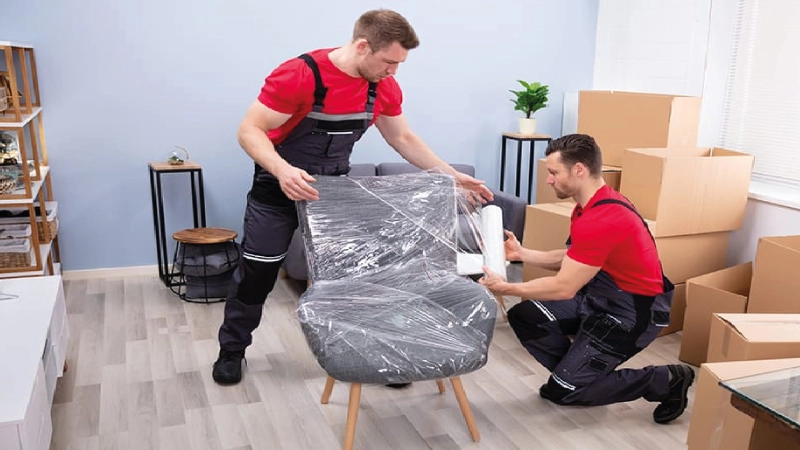
Wrap the entire hot tub in moving blankets or thick padding. The shell may look tough, but a sharp impact can crack it. Use ratchet straps to hold the padding in place, but do not overtighten.
Secure the access panels and internal components
Check that all access panels are firmly attached. If any panel feels loose, secure it with tape or temporary fasteners. Internal components should not shift during movement.
Measure and plan the exit route
Before the tub moves an inch, measure all gates, doors, walkways, and turns. Compare these measurements with the hot tub’s dimensions.
How to Move a Hot Tub Without Damage (Step-by-Step)
Below is a step-by-step process for how to move a hot tub without damaging the shell, the frame, or yourself.
Step 1: Position the team and confirm roles
People required to move the hot tub: 4–7 depending on tub size
Before touching the hot tub, bring everyone together and confirm roles. One person should act as the lead and give verbal counts. Another should be the spotter who watches clearance and balance. The rest are lifters and stabilizers.
You want one clear voice saying things like “lift on three” or “stop, hold it there.”
Step 2: Tilt the hot tub onto its side slowly
Hot tubs are designed to sit flat, not stand upright, so control matters more than strength.
Use 2×4 blocks or a pry bar for leverage, then tilt the tub slowly onto one side. One person controls the tilt, two people stabilize, and one person watches the bottom edge.
You may hear someone say, "It feels like it is going to fall." That feeling is common, but if everyone holds their position and moves together, the tub stays controlled.
Step 3: Place dollies or sliders underneath
Once the hot tub is safely on its side, slide heavy-duty dollies underneath the base. Make sure they are centered and rated for the weight. If you are moving across grass or gravel, place plywood sheets down first to create a stable path.
At this stage, one person keeps the tub steady while another positions the dollies.
Step 4: Roll the hot tub along the path
Slowly roll the hot tub along the planned route. One person pulls gently, one or two guide and stabilize, and one acts as the spotter.
This is where you will encounter real-life obstacles, like tree roots, slight slopes, soft ground, or narrow gates. If the tub starts drifting or leaning, stop immediately. Adjust the path or reposition the dollies.
A common phrase during this step is “slow is fast.” Rushing here causes more delays than patience ever will.
Step 5: Handle the tight spaces carefully
Tight gates and corners are where most damage happens. Measure ahead but expect small adjustments. You may need to slightly tilt or rotate the tub to clear an opening.
The spotter should be vocal here. If someone says, "We have an inch," that inch matters. Padding and blankets protect the shell, but pressure on one corner can still cause cracks.
Step 6: Load the hot tub onto a truck or trailer
Position the ramps securely and confirm they are rated for heavy loads. One person guides from below, two push steadily, and one stabilizes from the side.
Never stand downhill of the tub on a ramp. If momentum increases, let the tub rest and reset. You will hear someone say, "Hold it, don't force it," and that advice is worth listening to.
Step 7: Strap and secure for transport
Use ratchet straps to secure the tub from multiple angles. The goal is zero movement during transport. Straps should be snug but not crushing the shell.
Step 8: Unload and place at the new location
Unloading is essentially the process in reverse. Move slowly, reset dollies as needed, and guide the tub into its final position. Once it is upright, remove the padding and inspect the shell and cabinet for any signs of damage.
Post-Move Checks
Once the hot tub is in its new spot, it is tempting to relax and assume the hard part is over. This is actually the time when you do post-move checks to protect your investment and prevent future problems.
Inspect the shell and cabinet
Walk around the entire hot tub and look closely at the shell, corners, and cabinet panels. Check for cracks, chips, or dents that may have happened during the move. Pay extra attention to edges and corners, since these areas take the most stress.
Check internal components and access panels
Open the access panel and confirm that pumps, heaters, and hoses are still secure. Look for any loose fittings or shifted parts. Nothing should look twisted or out of place.
Confirm the hot tub is level
Use a level to make sure the hot tub sits evenly on its base. An uneven tub can cause water imbalance, stress on the frame, and long-term damage.
Reconnect electrical connections safely
Before restoring power, double-check that all electrical connections are correct and secure. If an electrician disconnected the tub, have them reconnect it as well.
Refill the hot tub and check for leaks
Slowly refill the tub and watch closely around the base, jets, and plumbing lines. Look for drips or moisture. Even a small leak can become a big problem.
Test the system before full use
Turn the power on and let the hot tub run through a full cycle. Test jets, heating, and controls. Listen for unusual noises and watch for error messages.
What Are the Safety Risks and How to Avoid Them
When people think about how to move a hot tub, they focus on the tub itself and forget that the biggest risk is actually to the people doing the moving. Hot tubs are awkward, heavy, and unpredictable once they start shifting.
Below are the most common risks and exactly how to avoid them.
Back and muscle injuries
This is the most common risk during moving a hot tub. The weight is uneven, and one sudden shift can strain your lower back, shoulders, or knees.
How to avoid it:
Always lift with your legs, not your back. Use verbal counts so everyone moves together. Do not twist your body while carrying or stabilizing the tub.
Crushed fingers and toes
Hands and feet often get caught underneath the edges when the hot tub is tilted or set down. This happens quickly and usually without warning.
How to avoid it:
Wear heavy-duty work gloves and closed-toe shoes or boots. Keep your hands on the designated grip points and never place your fingers under the base while lowering the tub.
Loss of control while tilting or rolling
Hot tubs can suddenly tip or roll faster than expected, especially on slopes or uneven ground. This is one of the biggest risks when moving a hot tub by yourself.
How to avoid it:
Always use dollies and stabilizers. Move slowly and avoid downhill paths when possible. One person should act as a dedicated spotter, watching balance and calling for stops.
Slips and falls
Wet surfaces, hoses, grass, and gravel all increase the risk of slipping during the move.
How to avoid it:
Clear the path completely before moving. Dry the area around the hot tub after draining. Lay down plywood or traction mats over soft or uneven surfaces. Never rush through slippery areas.
Damage to the hot tub shell or frame
Cracked shells, bent frames, and damaged panels are common when the tub is dropped or dragged incorrectly.
How to avoid it:
Use moving blankets and padding on all sides, especially corners. Never drag the hot tub across concrete or stone. Set it down gently and squarely, not on edges or corners.
Electrical hazards
Improper power disconnection creates serious safety risks, especially if water is still present.
How to avoid it:
Shut off the power at the breaker and confirm it with a voltage tester. If you are unsure how to disconnect wiring safely, hire an electrician.
Time Required to Move a Hot Tub
One of the most common questions people ask when planning how to move a hot tub is, “How long is this actually going to take?”
The honest answer is that it depends on the size of the tub, the distance, and how complicated the access is.
Estimated Time by Move Type and Distance
| Move Type | Typical Scenario | Estimated Time Required |
|---|---|---|
| Same-yard relocation (short distance) | Moving the hot tub within the same backyard or property | 1–2 hours |
| Local move (within the same city) | Transporting the hot tub using a truck or trailer nearby | 2–4 hours |
| Longer-distance relocation | Moving the hot tub to another town or property | 4–6+ hours |
| Large hot tubs or swim spas | Oversized units requiring special handling or equipment | Most of the day |
Factors That Slow Down the Process
Several things can slow the move down, even when it seems simple at first.
- Tight access points: Small gates, tight corners, and low spaces slow everything down. Sometimes you have to stop, back up, or even take a gate panel off to make room.
- Uneven or soft ground: Moving over grass, gravel, or slopes is harder than it looks. The tub does not roll smoothly, and you often need plywood to keep it from sinking or tipping.
- Lack of coordination: When people are not clear on what they are doing, the move turns messy. You end up stopping just to reset and get everyone back on the same page.
- Weather getting in the way: Rain, snow, or extreme heat makes the job tougher. Wet ground gets slippery, and people get tired faster.
- Trying to rush it: Pushing the tub instead of stopping to adjust usually backfires. That is when things go off balance, or you have to redo steps you already finished.