



Most accidents don’t happen because something is heavy. They happen because something heavy surprises you.
If you are here because you need to move a heavy safe, we already know what’s going through your head. You are picturing cracked tiles, a scratched hallway, or that sickening moment when the safe starts to lean and your brain screams, “This is going wrong.”
That reaction is normal because moving a safe is not like moving furniture. A home or gun safe can weigh anywhere from about 200 pounds to over 1,500 pounds, and commercial models can go far beyond that.
Most people don’t think about this until they get hurt. Back injuries are common, especially when lifting heavy things. According to NIOSH, they make up nearly 20% of workplace injuries and cost billions each year. So if you’re looking up how to move a safe, you’re not overthinking it. You’re being practical.
So, let’s discuss why moving a heavy safe is harder than it seems (it’s not just the weight, it’s the high center of gravity)
Typical Weight Ranges and What “Heavy” Means
Before you plan anything, you need to answer one simple question honestly: how heavy is your safe, really?
When people say “heavy,” they usually mean “I cannot lift this alone.” But in safe moving, “heavy” has a more practical meaning.
It means the weight is high enough to cause injury, floor damage, or tipping risk if handled without planning.
Most residential safes fall into clear weight brackets.
| Safe Type | Average Weight Range | Considered Heavy? | Moving Difficulty |
|---|---|---|---|
| Small home safe | 100 – 300 lbs | Moderate | 1–2 strong adults with equipment |
| Medium fireproof safe | 300 – 700 lbs | Heavy | 2–4 adults + proper equipment |
| Large gun safe | 500 – 1,200 lbs | Very Heavy | Equipment required |
| Commercial safe | 1,000 – 3,000+ lbs | Extremely Heavy | Professional-level move |
Once a safe crosses 400 to 500 pounds, it moves into the category where you should stop thinking in terms of “lifting” and start thinking in terms of “controlled transport.”
That mindset is important when planning to move a heavy safe safely.
You might be asking yourself whether your situation qualifies as “serious.” Here is a simple rule:
“If the safe weighs more than half your body weight, you should not attempt to lift it without equipment.”
Identify Safe Type and Construction
Not all safes are built the same, and the type you own directly affects how you should approach when moving a heavy safe.
Here are the most common types:
- Gun Safes: They range from 500 to 1,200 pounds. Gun safes are made with thick steel walls and reinforced doors. The door itself can weigh over 100 pounds. That means the weight is often front-loaded.
- Fireproof Safes: Fire safes are lined with insulation layers that add unexpected weight. Even smaller units can weigh 300 to 700 pounds because of internal fireboard materials.
- Floor Safes: These are usually smaller but anchored into concrete. The difficulty is not just weight. It is the anchoring bolts and tight placement that complicate removal.
- Wall Safes: They are typically lighter, often under 200 pounds. These are not usually classified as “heavy” in moving terms.
- Antique or Specialty Safes: Older safes weigh more than modern ones because of cast iron construction. Some antique safes can exceed 2,000 pounds even at a moderate size. This is where people consider contacting antique moving companies.
Decide DIY vs Professional Moving
At this point, you know how heavy your safe is and what type you are dealing with. Now comes the question people struggle with: Should you handle this yourself or call professionals?
Let’s look at both situations clearly so you can decide what makes sense for you.
When DIY Is Reasonable
You can consider doing it yourself if:
- The safe weighs under 400–500 lbs and can be handled with proper moving equipment.
- You have 2–3 strong helpers who understand basic lifting safety.
- The move is on the same floor with no stairs or steep slopes.
- Doorways, hallways, and pathways are wide and clear.
- You have access to the proper tools to move a heavy safe.
- The safe is not anchored to concrete or built into the structure.
But be honest with yourself. DIY only works when the risks are low and manageable.
When to Hire Professional Safe Movers
You should strongly consider professionals if:
- The safe weighs over 700–800 lbs.
- You need to move it upstairs or downstairs.
- The safe must pass through tight spaces or sharp turns.
- The safe is a large gun safe, and you are researching safe gun movers.
- The safe is antique, high-value, or structurally delicate (some people contact antique moving companies in these cases).
- You do not have the proper equipment or trained help.
- The move involves loading into a truck or long-distance transport.
In these cases, paying professionals is not just a convenience. It is risk management. A damaged floor, injury, or dropped safe costs far more than hiring experienced help.
How Many People You Need for Different Weight Classes
Before you try to move a heavy safe, it is important to know how much help you actually need. Many accidents happen because people underestimate the manpower required.
Use this table as a quick reference before planning the move:
| Safe Weight | Minimum People Required | Equipment Needed | Difficulty Level |
|---|---|---|---|
| Under 200 lbs | 1–2 people | Furniture sliders or a small dolly | Low |
| 200 – 400 lbs | 2 people | Heavy-duty dolly, straps | Moderate |
| 400 – 700 lbs | 3–4 people | Appliance dolly, lifting straps, ramps | Heavy |
| 700 – 1,000 lbs | 4+ people | Professional-grade tools to move a heavy safe, stair-climbing dolly | Very Heavy |
| 1,000+ lbs | Professional movers recommended | Specialized safe moving equipment | Extremely Heavy |
What This Means
- If your safe is under 400 lbs, you may manage to move a safe with proper equipment and help.
- Once the safe crosses 500 lbs, control matters more than strength.
- If the safe weighs over 1,000 lbs, the safest approach is usually to hire professional help rather than attempting to move it yourself.
A simple rule many movers follow is: "Increase manpower as weight increases, but never replace proper equipment with extra people."
Equipment and Materials Needed to Move the Safe
When planning to move a heavy safe, the equipment depends on whether you are handling it yourself or hiring professionals.
If You Are Doing a DIY Safe Moving
Heavy-duty appliance dolly (rated above your safe’s weight)
Furniture sliders
Steel pipes or rollers
Loading ramps (if moving into a truck)
Ratchet straps
Heavy-duty lifting straps
Pry bar
Wrench and socket set (for anchor bolts)
Plywood sheets
Moving blankets
Cardboard sheets
Rubber floor mats
Corner protectors
Heavy-duty gloves
Steel-toe boots
Back support belt
Safety glasses
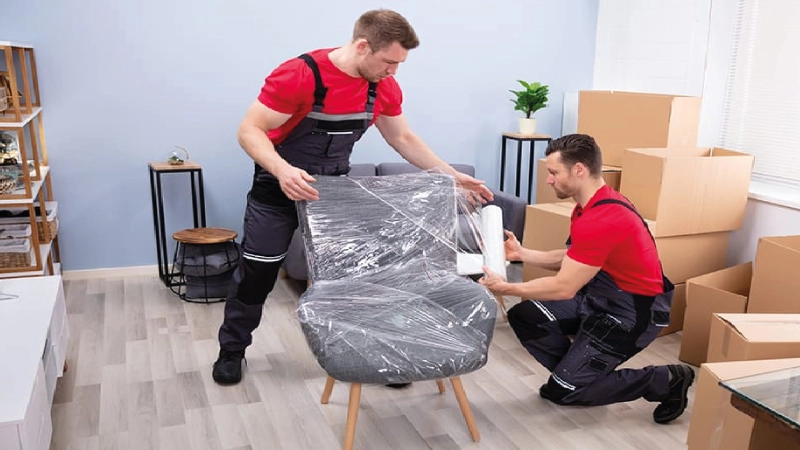
If You Are Hiring Professional Safe Movers
Whether you hire local specialists, best movers, or even best interstate movers, they should have:
Commercial safe dolly or stair-climbing dolly
Motorized stair climber (if required)
Pallet jack
Hydraulic lift table
Liftgate truck
Industrial ratchet and tie-down systems
Heavy-duty load bars
Anti-slip transport mats
Wheel chocks
Professional floor protection panels
Wall and doorway padding systems
Corner guards
If a company cannot clearly explain their safe moving equipment, that is a sign to pause and possibly compare movers before finalizing your decision.
How to Prepare the Safe Before Moving
Most problems during moving a heavy safe happen because people rush this part. If the safe is not properly prepared, even the best equipment will not help much.
Empty the Safe Completely
The first step is simple but very important. Remove everything inside the safe. Even small items add significant weight. Documents, jewelry, firearms, ammunition, or internal shelves can easily add 50 to 150 pounds. ;
What to do:
- Remove all valuables, documents, and stored items.
- Take out removable shelves, drawers, and racks.
- Store contents separately in labeled boxes.
Secure or Remove the Safe Door
The door is usually the heaviest part of a safe. In many models, the door holds a large percentage of the total weight, which makes the safe front-heavy and more likely to tip.
For large safes, check whether the door can be removed safely. If removal is not possible, secure it properly.
What to do:
- Lock the safe door completely.
- Use straps or strong tape to prevent accidental opening.
- If removable, detach the door carefully and move it separately.
Disconnect or Remove Anchoring Bolts
Many safes are bolted to floors or walls for security. Trying to force a bolted safe to move can damage your home or the safe itself.
What to do:
- Check the inside base of the safe for anchor bolts.
- Use a wrench or socket set to remove mounting hardware.
- Keep bolts in a labeled bag for reinstallation later.
Measure Pathways and Clear the Route
A safe is heavy, but tight spaces create bigger problems than weight. Before attempting to move a safe, check every area the safe will pass through.
What to do:
- Measure doorways, hallways, and stair widths.
- Remove furniture, rugs, or obstacles from the path.
- Check for steps, slopes, or uneven surfaces.
- Ensure enough turning space around corners.
Protect Floors, Walls, and Door Frames
Safes can easily damage flooring and walls because of their concentrated weight. Protecting your home before the move saves repair costs later.
What to do:
- Lay plywood sheets or protective boards on floors.
- Cover door frames and corners with padding.
- Place moving blankets along narrow pathways.
- Protect tile, wood, or marble surfaces carefully.
Check Weight Information
Before you start, confirm the safe’s weight and ensure your equipment can handle it.
What to do:
- Check the manufacturer label or manual for weight details.
- Confirm your dolly and straps are rated for that weight.
- Arrange enough helpers based on the weight class.
How to Move a Heavy Safe (Step by Step)
Follow the steps below to move a heavy safe safely.
Step 1: Confirm the weight and decide what “too heavy” means for your situation
Do not start based on assumptions. Look for a manufacturer label, manual, or model number that tells you the weight. If you cannot confirm it, treat it as heavier than you think.
Now match that weight to your plan. If you are trying to move a heavy safe by yourself, the honest truth is that “by yourself” usually means “you control it mostly alone, but the equipment does the lifting.” It should not mean you physically muscle it.
Step 2: Empty it and reduce what can shift
Remove everything inside, including shelves and drawers, if they come out. This reduces weight and prevents internal parts from slamming around.
If it is a gun safe, also remove door organizers and anything mounted inside the door. Doors are heavy and front-weighted, and you want the load as stable as possible.
Step 3: Lock the door, then secure it
Even with the door locked, secure it with a strap or strong wrap so it cannot pop open if the safe tilts. An opening door changes the balance instantly. That is one of the fastest ways to lose control.
Step 4: Remove anchor bolts and check the base
Many safes are bolted down. If you try to slide a bolted safe, you risk ripping the flooring or snapping the hardware.
- Check inside the safe for bolt holes at the base.
- Remove bolts with the right wrench or socket.
- Keep the bolts labeled so you can re-anchor later.
Step 5: Map the route
People focus on the safe and forget the house.
Do a slow walk from the safe to the final location and check:
- Doorway widths and tight turns
- Threshold lips and rug edges
- Floor type (tile, hardwood, carpet)
- Any slope, step, or soft flooring area
Step 6: Protect the home
If you want the best way to move a heavy safe at home, assume floors and corners will get hit unless you protect them.
- Lay plywood sheets or thick boards over hardwood and tile to distribute weight.
- Use corner guards or padded blankets on door frames and wall corners.
- Remove rugs that can bunch up and stop the dolly suddenly.
Step 7: Choose the safest movement method
There are a few common ways people move a safe inside a home. Pick the one that matches your situation and equipment.
Option A: Heavy-duty appliance dolly (most common)
This is the standard approach when you have the right moving equipment.
Option B: Furniture sliders (short moves on smooth surfaces)
Sliders work well for small adjustments across a room, especially on hard floors, but control matters because the safe can glide faster than you expect.
Option C: Pipes or rollers (old-school but effective)
This works on strong, flat surfaces with good coordination. It is not ideal in tight hallways or on delicate flooring.
Step 8: Get it onto the dolly or moving base safely
A safe should be tilted only as much as needed. Keep the tilt low and controlled.
- Use a pry bar gently to create a small gap.
- Slide a protective board under the edge if needed.
- Tilt the safe slightly and slide the dolly plate under it.
Then strap it tightly. If the safe can wobble, it can tip. Use strong straps and tighten them properly.
Step 9: Assign roles and use one person as the “caller”
Even with friends helping, one person should give clear instructions, so movements are consistent.
Use simple commands like:
- “Stop”
- “Slow”
- “Tilt”
- “Lower”
- “Hold”
Step 10: Move slowly and keep the safe upright
When moving across a floor:
- Keep the safe as upright as possible.
- Take short movements, then pause.
- At turns, reposition feet and hands first, then move.
- If you hit a threshold, do not yank the dolly. Instead, lift the dolly slightly with control while another person stabilizes the load.
Step 11: Stairs change the decision completely
If stairs are involved, use a different method. If the safe is over 500 to 700 pounds or the stairs are narrow, hiring help is the safer call.
If you still proceed, you need the right equipment, usually a stair-climbing dolly or track dolly, and a plan that does not rely on “holding it back with strength.”
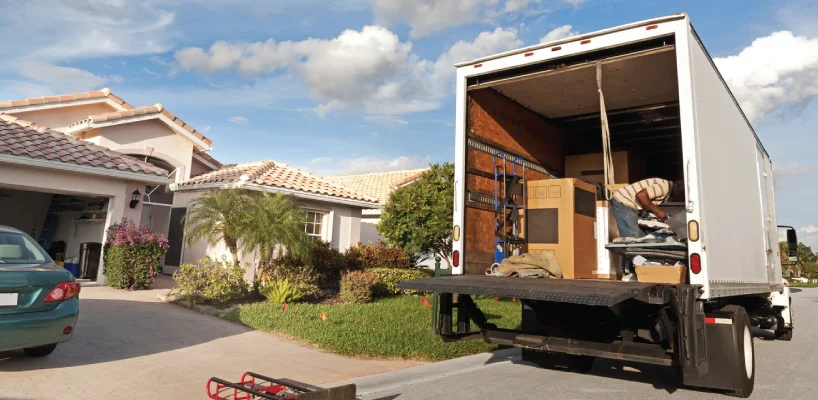
Step 12: Loading into a truck
If you are transporting the safe:
- Use a ramp with the right weight rating, or a liftgate.
- Keep the safe low and centered in the truck.
- Block the base so it cannot slide.
- Strap it to solid tie-down points in multiple directions.
Step 13: Place it carefully, then re-check everything
Once you reach the final spot:
- Lower it gently off the dolly.
- Slide it into position using sliders or controlled micro-movements.
- Confirm the door opens correctly and the safe is level.
Common Problems and How to Avoid Them
When you move a heavy safe, certain mistakes happen again and again. If you know them in advance, you can stay prepared and avoid unnecessary damage, stress, or injury.
Safe Tipping or Losing Balance
This is the most serious problem during moving a heavy safe. Safes are tall and narrow, which makes their center of gravity unstable when tilted. Once the safe starts leaning too far, its weight can shift suddenly and become difficult to control.
The safest approach is to keep the safe upright, secure it tightly with straps, and move slowly without sudden force.
Floor and Property Damage
Many people focus on moving the safe but forget to protect the house. The weight of a safe can scratch hardwood, crack tiles, dent laminate, and damage walls or door frames.
This usually happens when the safe is dragged or moved without surface protection. Always protect floors and corners before starting.
Using Strength Instead of Proper Equipment
Trying to rely only on physical strength instead of proper moving equipment leads to injuries or loss of control. Even strong individuals struggle to manage several hundred pounds safely without the right tools.
Door Opening During the Move
An unsecured safe door can suddenly swing open while moving. This instantly shifts the weight and can cause the safe to tip or pull away from your control. Always lock and secure the door before moving so the balance remains stable.
Underestimating Weight or Space Requirements
A lot of problems start when people guess the safe's weight or don't measure doorways, hallways, and turning space. Without proper measurement and planning, the move can stop midway or become unsafe. Check the weight and measure your path before you start, so there are no surprises.