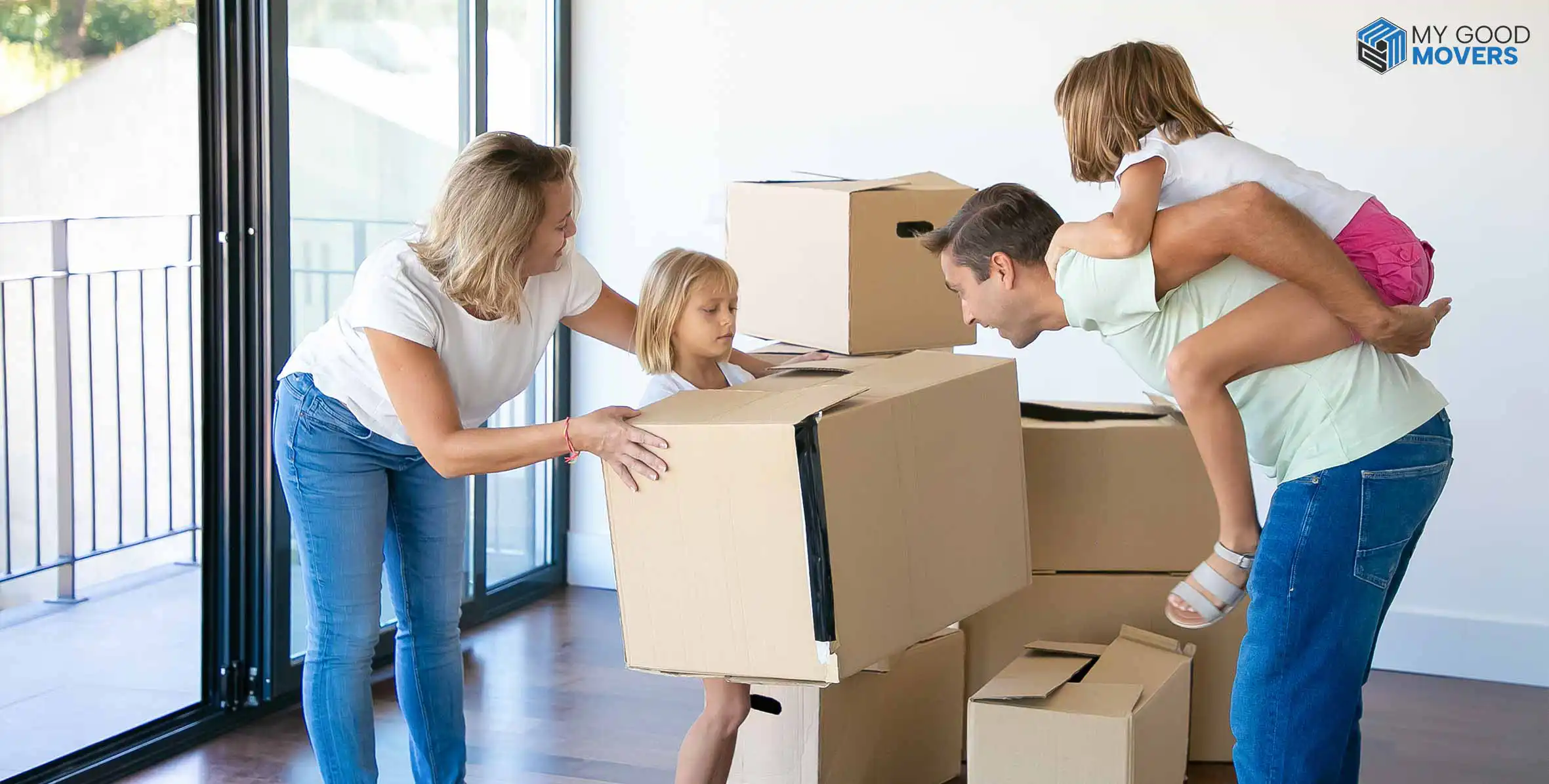




Your home is the first place that teaches your nervous system what ‘safe’ feels like.
If you are moving for the first time, it makes sense that your brain is acting a little dramatic right now. You are not just changing rooms. You are changing routines, shortcuts, sounds, light through the window, and even the way your day begins. And you are doing it while trying to remember a hundred tiny details that somehow all feel important at the same time.
Here is the comforting part. You are not alone, and you are not “behind.” In the U.S., the Census Bureau reported that 11.8% of people moved to a different residence in 2025. And one survey found 64% of people said their recent move was the most stressful thing they had been through. That “tight chest, racing thoughts” feeling has a name, and it shows up a lot in moving out for the first time stress.

What Moving for the First Time Means
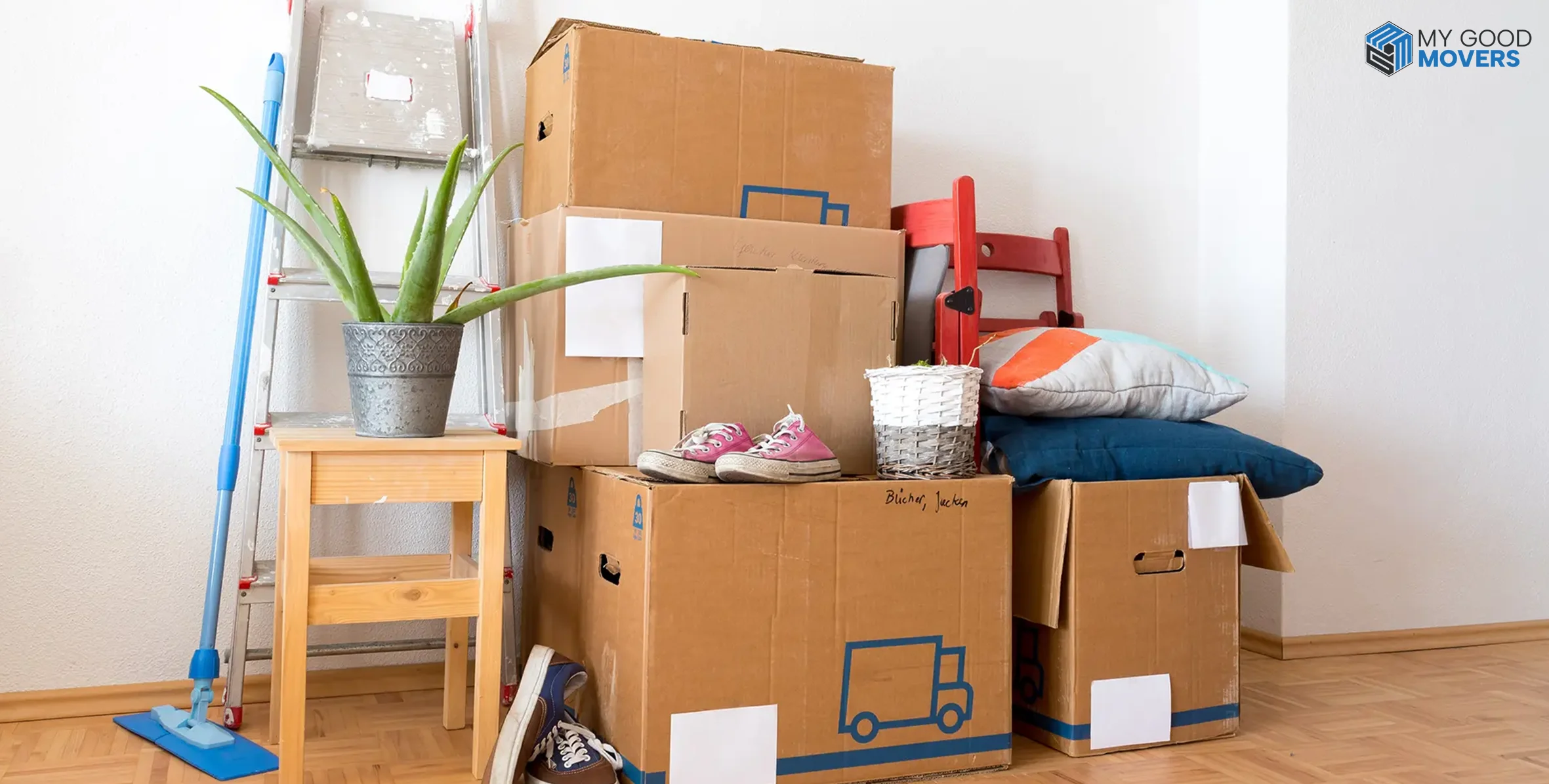
When people talk about moving for the first time, they focus on boxes, trucks, and keys. But if you are actually standing at the edge of your first move, you already know it feels like much more than that.
For many people, moving out for the first time is the first moment where life stops being partly guided by someone else. You are suddenly the one making decisions that used to be automatic. What groceries to buy. When to clean. How to budget. Who fixes things when they break. That is why this kind of move feels exciting and heavy at the same time.
You might hear people say things like, “It’s just moving, everyone does it.” But what they usually mean is that everyone eventually figures it out. The figuring-it-out phase is the part nobody prepares you for.
Here is what this first move usually includes, even if no one says it out loud:
- Realizing that packing is not hard, but deciding what your life actually needs is.
- Feeling proud of your independence while also missing the comfort of familiarity.
- Learning quickly why people create a moving checklist instead of trusting their memory.
- Understanding that planning matters more than motivation when stress kicks in.
Planning Your First Move
This is the part where most stress is either created or prevented. Planning means deciding what comes first, what can wait, and what absolutely cannot be forgotten. When you are moving for the first time, a clear plan gives your brain something solid to hold onto.
Here’s how to plan for your first move:
Step 1: Decide your moving date and work backward
Start with one fixed point. Your moving date. Everything else connects to that.
Once you have a date, break the time before it into phases:
- 6 to 8 weeks before for planning and research
- 4 weeks before for booking and organizing
- 2 weeks before for packing and confirmations
Step 2: Set a realistic moving budget
Before you book anything, get a rough idea of costs. Use a moving cost calculator to estimate expenses based on distance, home size, and services. This helps you avoid surprises and tells you whether you need to adjust plans.
If you are hiring professionals, compare movers instead of choosing the first option you see. If it is a long-distance move, look specifically at the best long distance moving companies so you know you are dealing with experienced providers.
Step 3: Decide how you are moving
Ask yourself a few honest questions:
- Can I physically handle a DIY move?
- Do I have help on moving day?
- Is saving money worth the added stress?
Step 4: Organize your information in one place
Use simple tools that actually get used:
- A notes app or Google Docs for plans and contacts
- Google Calendar for deadlines
- A basic spreadsheet for budget tracking
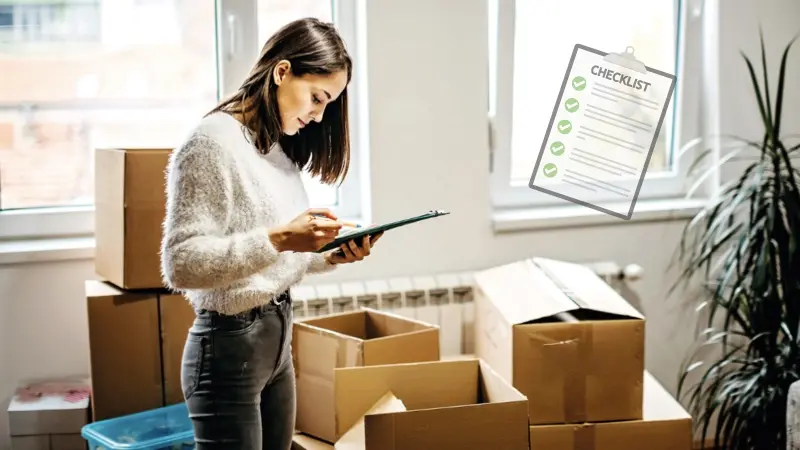
This is also where a first time moving checklist becomes essential.
Planning Checklist for Your First Move
Choose and confirm your moving date
Decide if you are hiring movers or moving yourself
Use a moving cost calculator to estimate expenses
Compare movers and request quotes
Book movers or reserve a rental truck
Create a master moving folder or document
Start a moving budget and track expenses
Notify work or school about your move date
Research parking or building rules if applicable
Create a personal timeline leading up to moving day
If you want more detailed information on this section, the articles below cover it in more depth:
How Far in Advance Should You Book a Mover
Budgeting for Your First Move
Money is usually the quiet stress sitting in the background when you are moving for the first time. Even if you feel prepared, the numbers can feel vague until they are suddenly very real. The goal here is not to calculate every dollar perfectly.
Step 1: List your non-negotiable moving costs
Start with expenses that will happen no matter what. These form the base of your budget.
Think about:
- Transportation costs, whether that is a truck rental or professional movers
- Packing supplies like boxes, tape, and protective materials
- Initial housing costs such as deposits, first month’s rent, or utility setup fees
Step 2: Estimate your total moving cost
Instead of guessing, use a moving cost calculator to get a realistic range. This factor in distance, home size, and services, which gives you a clearer picture of what your move might cost.
If you are hiring professionals, compare movers and review what is included in each quote.
Step 3: Add a buffer for surprises
This is one of the most overlooked steps and one of the most important. Add an extra 10 to 20 percent to your estimated total. This buffer covers things like last-minute supplies, unexpected delays, or minor damages.
Step 4: Track your spending in one place
You do not need fancy software. Simple tools work best:
- A spreadsheet to track estimated versus actual costs
- A budgeting app to monitor spending in real time
- A notes app to record quotes and payment dates
Budgeting Checklist for Your First Move
List all expected moving expenses
Estimate housing-related upfront costs
Use a moving cost calculator for a cost range
Compare movers and request multiple quotes
Choose a moving option that fits your budget
Add a 10–20 percent emergency buffer
Set up a simple budget tracking system
Track payments and deposits
Review spending one week before moving day
If you want more detailed information on this section, the articles below cover it in more depth:
How Much Does It Cost to Move an Apartment?
Deciding How to Move
When you are moving for the first time, the question is not “What is the best way to move?” The real question is “What is the best way for me to move?”
Step 1: Be realistic about your situation
Start with the facts, not the ideal version of how you wish it would go.
Ask yourself:
- How far am I moving?
- How much stuff do I actually own?
- Do I have reliable help on moving day?
- Can I handle heavy lifting without injury or burnout?
Step 2: Understand your moving options
There are three main paths most first-time movers consider.
- DIY move using a rental truck and help from friends
- Hybrid move, where you pack but hire movers for transport
- Full-service move, where professionals handle most of the work
If you are relocating far away, researching the best long distance moving companies early can save you from last-minute stress.
Step 3: Compare cost versus stress
Use quotes and estimates to compare options realistically. Compare movers not just by price but by what is included, reviews, and insurance coverage.
This is a big part of understanding what to expect when moving out for the first time. The cheapest option is not always the easiest, and the easiest option is not always affordable.
Step 4: Lock in your choice early
Once you decide, commit to it. Book movers or reserve your truck as early as possible. Delaying this step is one of the fastest ways to increase anxiety during the first time moving.
Decision Checklist for Your First Move
Measure how much stuff you need to move
Decide between DIY, hybrid, or full-service move
Assess your physical ability and available help
Get quotes or estimates for each option
Compare movers based on price and services
Research best long distance moving companies if needed
Choose the option that fits your budget and energy
Book movers or reserve a truck early
Confirm details one week before moving day
If you want more detailed information on this section, the articles below cover it in more depth:
DIY vs. Full-Service Movers: What’s Best for Your Move?
How to Compare Moving Companies
Reasons to Hire Full-Service Movers
Preparing Before Moving Day
This is the phase where things start to feel real. When you are moving for the first time, preparation is what separates a calm moving day from a chaotic one.
The more you prepare now, the less you will scramble later.
Step 1: Declutter before you touch a box
Before you pack anything, decide what is actually coming with you. This is especially important if this is your first apartment move.
Go room by room and ask yourself:
- Have I used this in the last year?
- Would I buy this again today?
- Is this worth packing, lifting, and unpacking?
Step 2: Gather packing supplies early
Running out of boxes the night before moving day creates unnecessary stress. Get supplies ahead of time so you can pack gradually.
Basic supplies include:
- Sturdy boxes in different sizes
- Packing tape and a tape dispenser
- Markers for labeling
- Protective materials for fragile items
Step 3: Start packing with a clear system
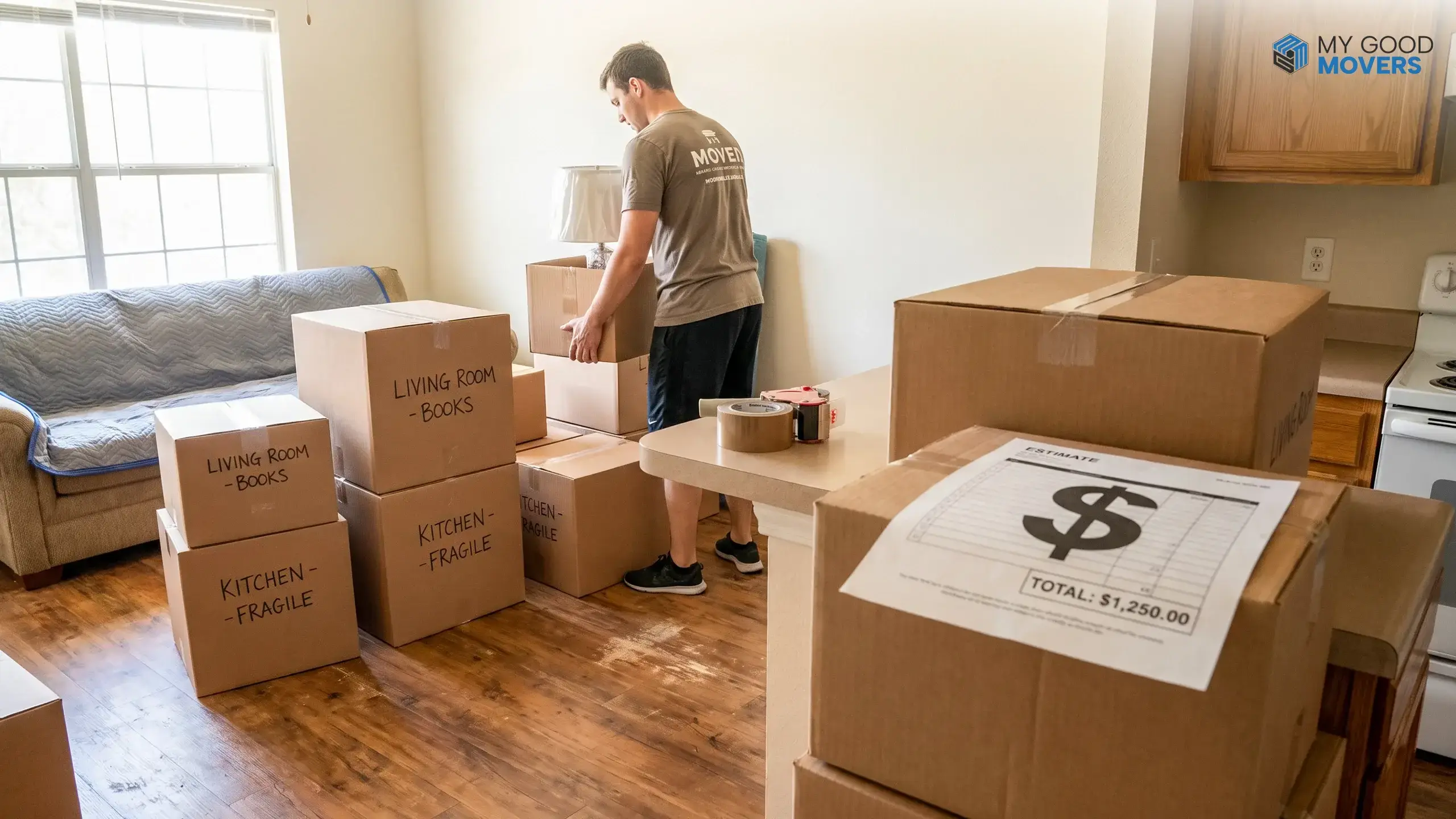
Start with items you use the least, such as seasonal clothing, décor, and storage items. Pack room by room and label each box clearly with the room name and a brief description of what is inside.
This simple system saves hours when you are moving out for the first time and trying to find essentials quickly.
Step 4: Prepare your essentials separately
Set aside a small bag or box for items you will need immediately after the move. Think of this as your first-night survival kit.
Include:
- Important documents
- Chargers and basic electronics
- Toiletries and medications
- A change of clothes
- Basic cleaning supplies
Preparation Checklist Before Moving Day
Declutter each room and remove unwanted items
Donate, sell, or discard unused belongings
Purchase or collect packing supplies
Create a packing plan by room
Start packing non-essential items early
Label all boxes clearly and consistently
Pack fragile items securely
Prepare an essentials bag or box
Keep important documents easily accessible
Do a final walkthrough of your current space
If you want more detailed information on this section, the articles below cover it in more depth:
How to Declutter Before a Move
Packing for the First Time
Packing is where most first-time movers feel overwhelmed, not because it is hard, but because it feels endless. When you are moving for the first time, packing is about making hundreds of small decisions without burning yourself out.
The good news is that packing becomes much easier when you follow a clear system.
Step 1: Estimate how many boxes you actually need
One common mistake is either underestimating or wildly overestimating boxes. Before you start, use our moving box calculator. It estimates box counts based on home size and room types, which helps you buy supplies once instead of making multiple trips.
Step 2: Pack one category or room at a time
Avoid packing random items from different rooms into the same box. It feels faster in the moment, but it creates confusion later.
A simple approach works best:
- Pack one room fully before moving to the next
- Keep similar items together
- Label boxes with both the room name and contents
Step 3: Protect fragile and important items properly
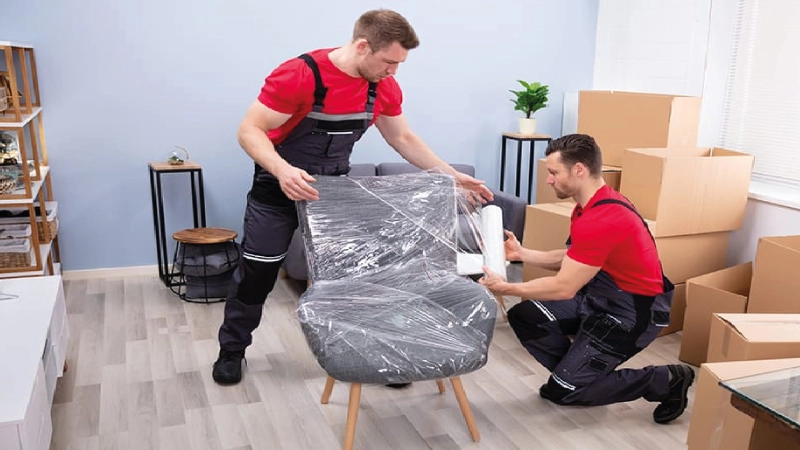
Wrap fragile items individually and never assume one layer is enough. Use towels, clothing, or bubble wrap for protection.
Important documents like IDs, lease papers, and financial records should never go into a moving truck. Keep them with you at all times.
Step 4: Pack essentials last and keep them accessible
As moving day gets closer, pack daily-use items last. Create one clearly labeled box or bag for essentials, so you are not digging through boxes on your first night.
Packing Checklist for Your First Move
Use a moving box calculator to estimate box needs
Purchase boxes and packing supplies
Pack one room at a time
Label boxes with room and contents
Separate fragile items and pack them securely
Use clothing and towels as padding where possible
Keep important documents with you
Pack an essentials box for first-night needs
Clearly mark boxes that need careful handling
Double-check that no loose items are left behind
If you want more detailed information on this section, the articles below cover it in more depth:
How to Pack and Move in 3 Days
What To Pack First When Moving
How to Pack Fragile Items - The Right Way
Moving Day
This is the day everything comes together. By the time moving day arrives, most of the hard work is already done. Still, when you are moving for the first time, the day itself can feel intense because there are many moving parts happening at once.
Step 1: Start the day prepared and grounded
Begin the day early, even if your movers or helpers are arriving later. Eat something, stay hydrated, and wear comfortable clothes and closed-toe shoes. Keep your phone fully charged and have your essentials bag with you at all times.
Step 2: Do a final walkthrough before loading begins
Before the truck is loaded, walk through every room, closet, and cabinet. Check bathrooms, drawers, and storage areas. This avoids a common mistake many first time movers make.
If you live in an apartment or managed building, confirm elevator access, parking permissions, and time restrictions.
Step 3: Supervise loading and keep important items separate
If you are using movers, be available to answer questions and guide them to boxes that need special care. Keep your essentials, documents, and valuables with you instead of on the truck.
Step 4: Handle utilities and address confirmations
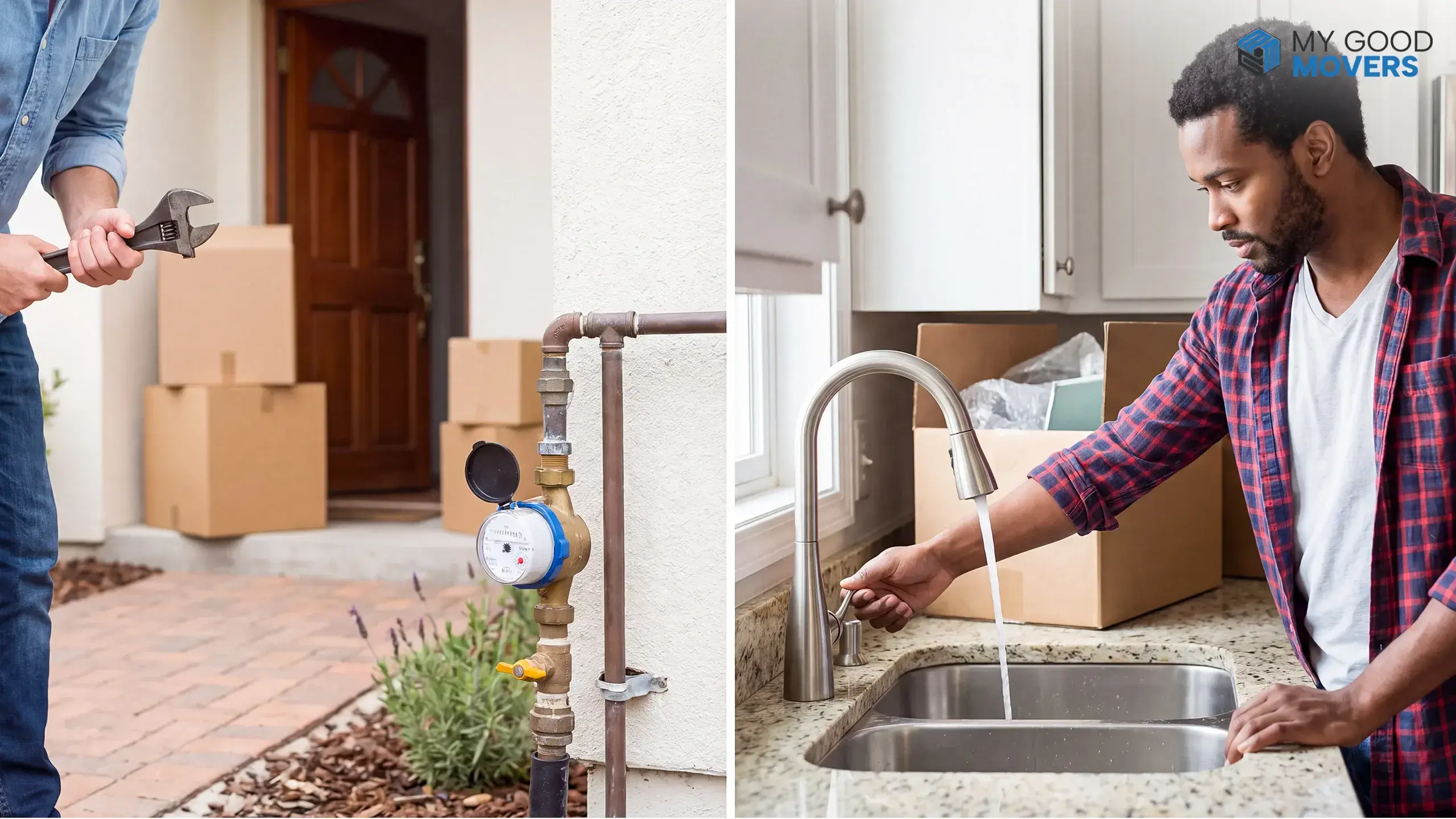
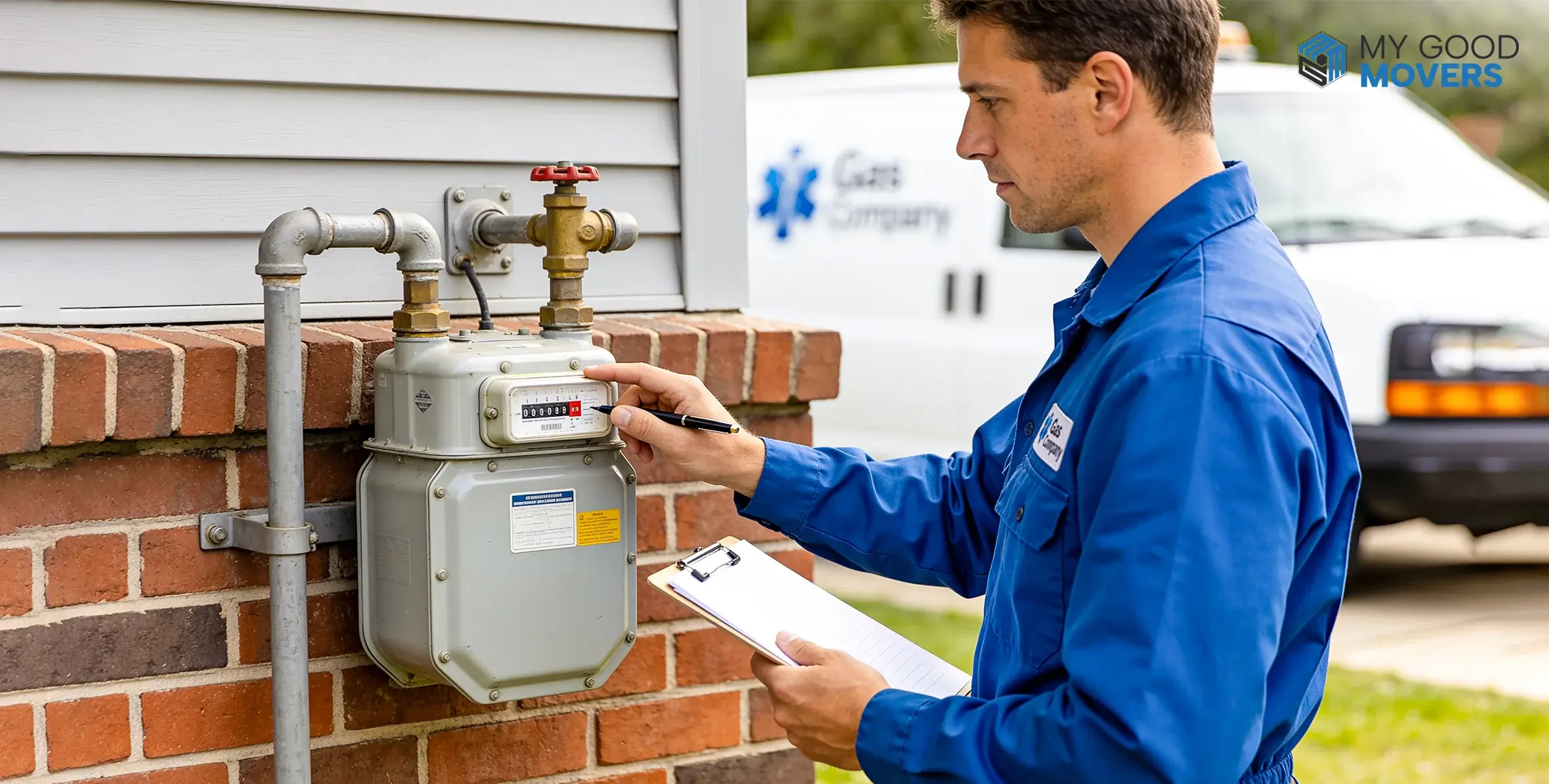
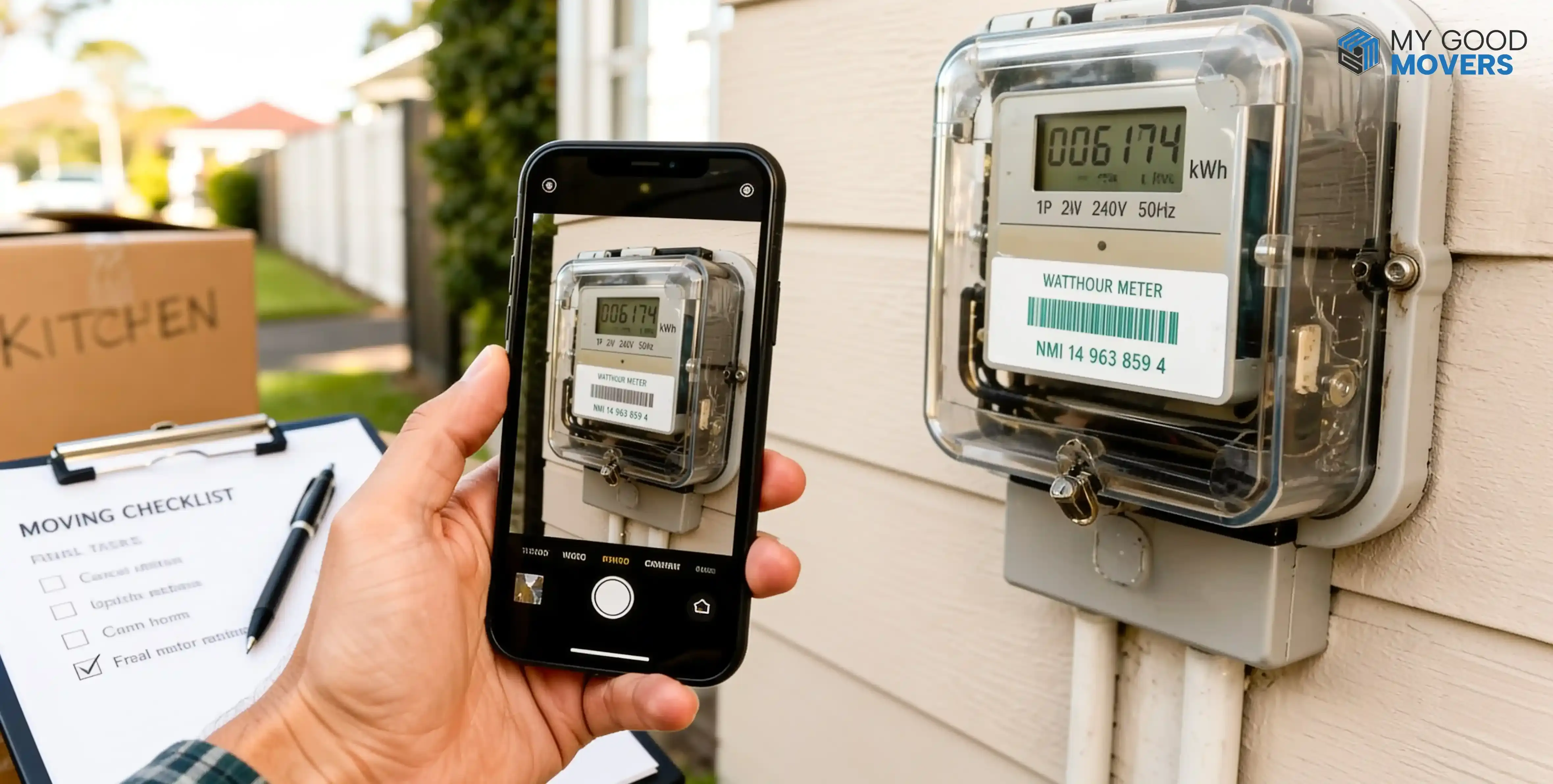
Before leaving your old place, take photos of utility meters if required and confirm that services are set up at your new home. Government services like the USPS can help with address changes and mail forwarding so nothing important gets lost during the transition.
Moving Day Checklist
Wake up early and eat a proper meal
Keep essentials bag and documents with you
Do a final walkthrough of all rooms and storage spaces
Confirm movers or helpers arrival time
Supervise loading and identify fragile items
Separate valuables and personal items
Take photos of meters if required
Lock windows and doors before leaving
Confirm arrival address and access details
Do a quick check of the empty space before departure
After You Move In
This is the quiet part people rarely talk about. The truck is gone, the door is closed, and suddenly it is just you and a space that does not feel like home yet. When you are moving for the first time, this phase can feel oddly emotional.
Step 1: Check the basics before unpacking
Before opening every box, make sure your new place is functioning properly. Walk through the space and check lights, water, locks, windows, and appliances. If something seems off, document it immediately and contact your landlord or property manager.
Step 2: Set up essential services and utilities
Confirm that electricity, water, gas, and internet are active. If you have not already done so, set up trash and recycling services according to local rules.
For mail, the USPS address change service is a simple government resource that ensures important documents and packages reach you.
Step 3: Unpack properly
You do not need to unpack everything immediately. Start with essentials like the bedroom, bathroom, and kitchen. Focus on creating a comfortable sleeping area first so you can rest properly.
If this is your first apartment move, give yourself time to learn how the space works before organizing everything permanently.
Step 4: Update your address and records
Once you are settled, update your address with banks, insurance providers, employers, and government agencies. This ensures your records are accurate and prevents problems down the line.
This step gets delayed during moving, but taking care of it early saves time later
After-Move Checklist
Inspect the new home for damages or issues
Document and report any concerns
Confirm utilities and internet are working
Set up trash and recycling services
Submit USPS address change request
Unpack essentials first
Set up sleeping and hygiene areas
Update address with banks and employers
Store important documents safely
Take time to rest and adjust
If you want more detailed information on this section, the articles below cover it in more depth:
How to Feel Settled Fast After Moving
Most Common Mistakes First-Time Movers Make
When you are moving for the first time, mistakes do not happen because you are careless. They happen because everything is new and your brain is processing too much at once.
Here are the most common mistakes first time movers make:
Underestimating how long everything takes
One of the biggest surprises for first-time movers is time. Packing always takes longer than planned. Loading takes longer. Even unpacking the basics can stretch over days.
This mistake comes from assuming motivation will make things faster. In reality, planning and pacing matter more.
Not creating a clear checklist
Many first-time movers do not use a checklist and rely on memory instead. During a move, there are many small tasks that happen at the same time, and it is easy to forget important steps.
Using a moving checklist for beginners or a first time moving checklist helps keep tasks organized and reduces the chance of overlooking essential steps.
Choosing the cheapest option without checking details
Saving money is important, but choosing movers or rentals based only on price leads to hidden fees, damaged items, or unreliable service.
Packing without a system
Throwing items into boxes wherever they fit feels efficient at first. Later, it becomes frustrating when you cannot find essentials or unpack room by room. This mistake increases stress and makes settling in harder than it needs to be.
Forgetting to separate essentials
Many first-time movers pack everything and realize too late that their chargers, toiletries, or important documents are buried somewhere in the truck. An essentials bag is simple but effective, and skipping it is one of the most avoidable mistakes.
Not budgeting for small extras
People plan for the big costs but forget the small ones. Extra boxes, food on moving day, cleaning supplies, or last-minute tools add up quickly.
Tips to Make Your First Move Easier
By this point, you already know that moving is not just about logistics. It is about energy, attention, and how you treat yourself during the process. When you are moving for the first time, small choices can make a big difference.
These are some tips that will make your move smoother, calmer, and more in control.
Start earlier than you think you need to
Most stress comes from rushing. Starting early gives you options. It allows you to pack slowly, compare services properly, and fix small issues before they turn into problems.
Write things down instead of keeping them in your head
Your brain is already doing a lot of work. Do not make it remember everything, too. Use notes, reminders, or a simple checklist to track tasks.
Label boxes
Instead of writing vague labels, be specific. “Kitchen – plates and mugs” is much more helpful than “Kitchen.” Clear labels save time and make unpacking less chaotic, especially when you are tired.
Accept help when it is offered
Many first-time movers feel like they need to do everything themselves. You do not. Whether it is a friend helping pack or advice from someone who has moved before, take it without hesitation.
Plan for your first night in advance
Knowing exactly where you will sleep, what you will eat, and how you will relax on your first night makes a big psychological difference. This is especially helpful during a first apartment move, when everything feels unfamiliar.
If you want a checklist that covers every stage of moving in more detail, you can download the complete version and follow it step by step.