



“Home is not a place; it is a feeling.” And right after you move to a new state, that feeling can take a minute to catch up.
One day, you are running on adrenaline, boxes everywhere, phone at 2% battery, and you are telling yourself, "Once I sit down, I will finally breathe." Then you sit down, and your brain starts listing tasks like it is opening 27 tabs at once.
It is not that you are doing anything wrong. It is just that moving to another state is not only a change of address. It is a full reset of how daily life works.
According to the U.S. Census Bureau, only about 2.1% of people moved to a different state in 2025, which means interstate moves are a smaller slice of all moves, but they come with a bigger checklist. One survey reported that about 64% of people described their recent move as the most stressful thing they had been through.
That is exactly why you are looking for a proper answer to what to do after moving to a new state, in the right order.
Let's discuss everything, and by the end of this guide, we can turn your “I hope I did everything” into “I know what to do next.”
What You Should Have Ready Before You Start
Before you begin handling the paperwork and updates that come after you move to a new state, take a few minutes to gather the documents you will keep reaching for again and again. Almost every task you complete after relocating will ask for some form of identification, proof of address, or vehicle information.
Key Documents to Gather
Keep these documents together in a folder or digital file so you can quickly access them when needed.
Personal Identification
- Current driver’s license or state ID
- Passport
- Social Security card
- Birth certificate
Proof of Your New Address
- Lease agreement or mortgage documents
- Utility confirmation or first utility bill
- Moving contract or settlement statement
- Bank statement showing your new address
Vehicle and Driving Records
- Current vehicle registration
- Vehicle title
- Auto insurance policy
- Driver's license records, if available
Insurance Information
- Health insurance cards and policy details
- Auto insurance policy documents
- Homeowners or renters insurance paperwork
Financial and Tax Documents
- Bank account details
- Credit card statements
- Previous state tax records
- Recent pay stubs or employment verification
Family and Household Documents
- Marriage certificate, if applicable
- School records for children
- Vaccination records and medical history
- Pet vaccination records and licenses
Moving and Service Records
- Contract or receipt from the best movers or best interstate movers you used
- Inventory list from the moving company
- Utility account confirmations, if you have already begun to set up utilities after moving
Things To Do After You Move to a New State
When people move to a new state, they usually expect the hardest part to be packing and transporting their belongings. In reality, the bigger challenge begins after you arrive. There are several systems that now need your new address, new identification, and updated records.
1. Complete the First-Day Essentials
The first day after arriving should focus on stability and safety. You want the home to be functional before handling paperwork.
Start with these essentials:
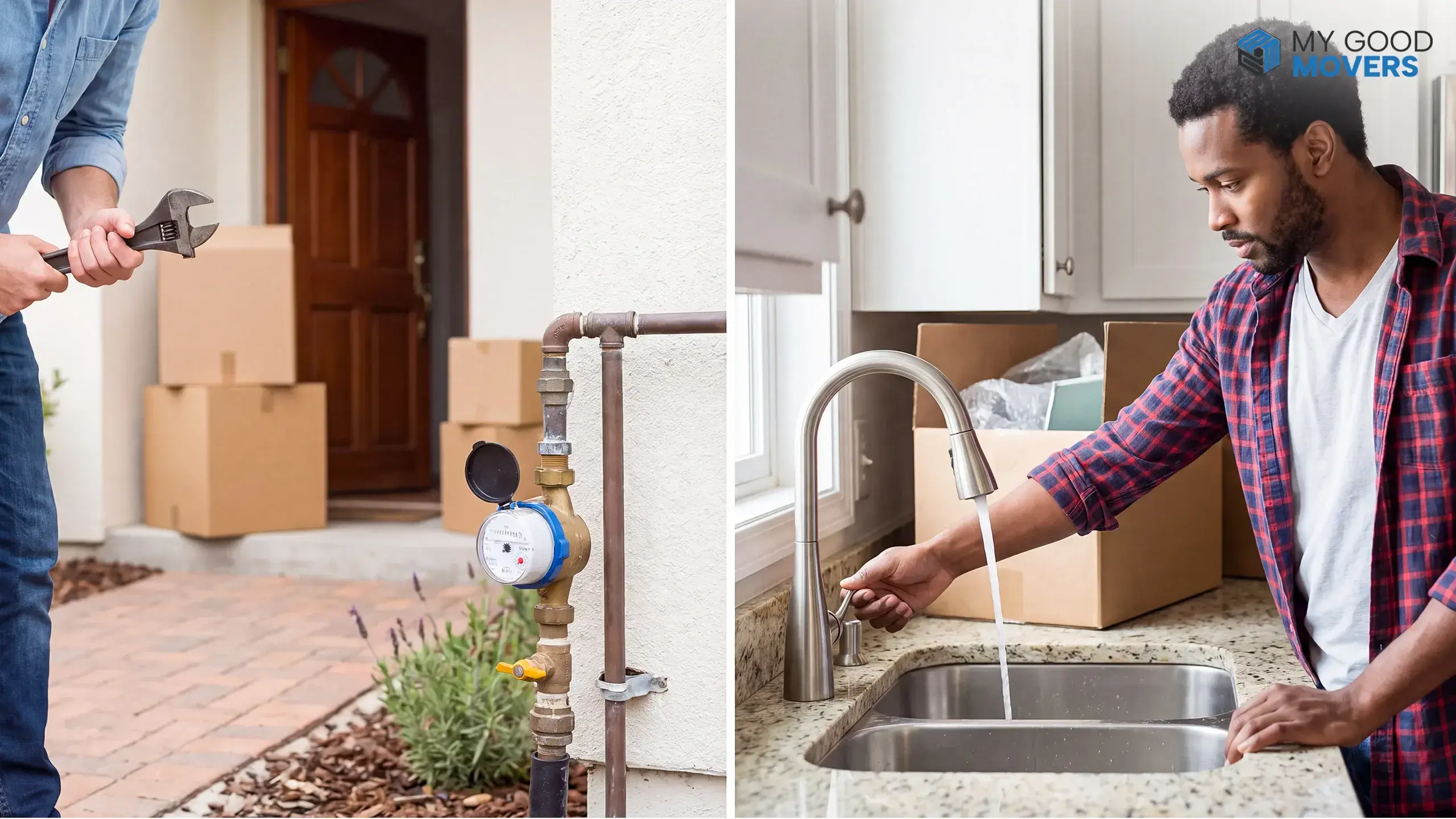
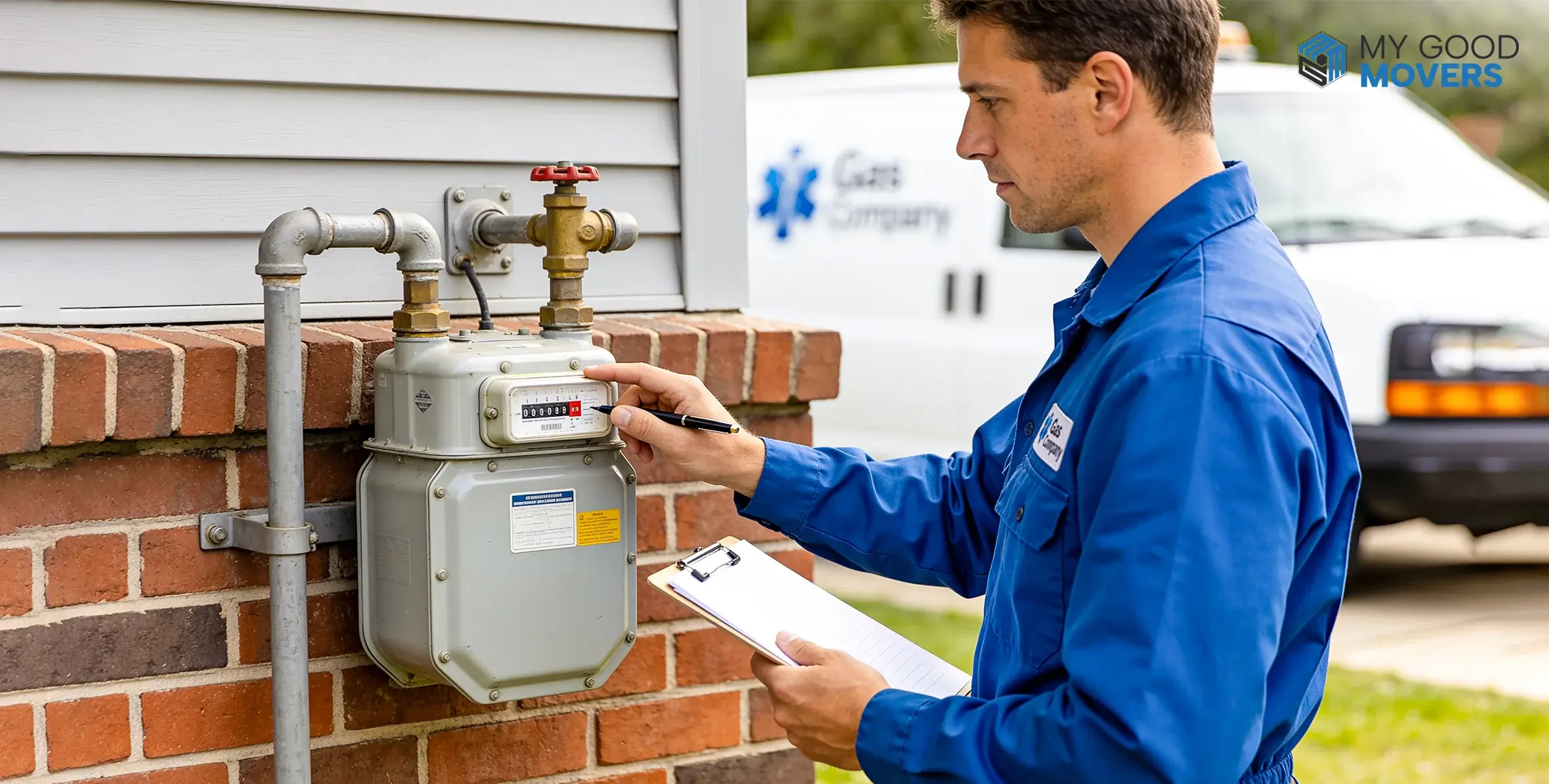
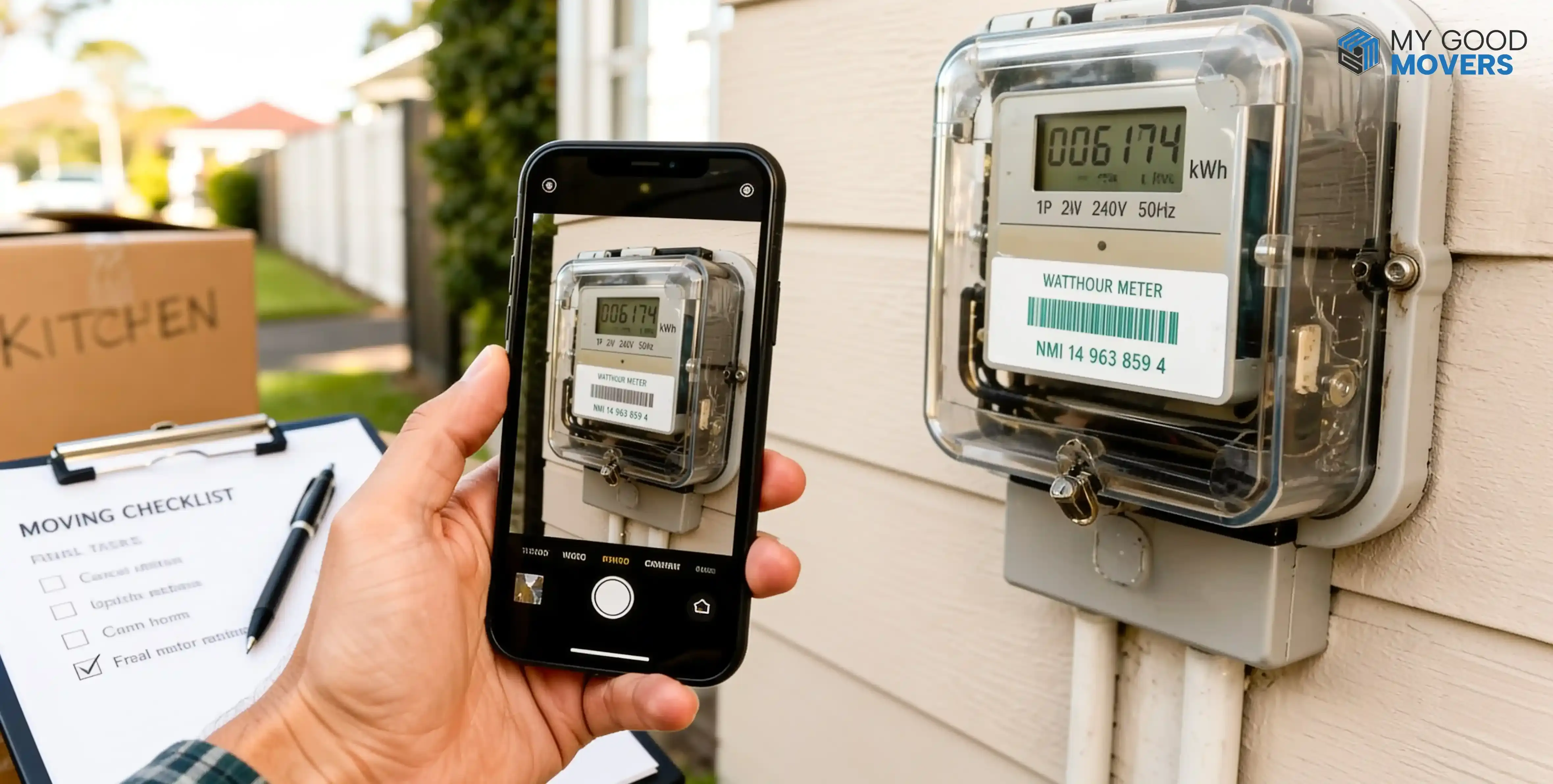
- Check that electricity, water, gas, and internet are active
- Confirm that your door locks, windows, and smoke detectors work
- Locate your breaker box, water shut-off valve, and gas valve
- Set up basic internet access so you can handle online forms and services
Many people also start unpacking essential boxes that contain medications, important documents, and daily-use items.
2. Change Your Address Everywhere
One of the first administrative tasks after relocating is updating your mailing address. Missing this step can lead to lost documents, missed bills, or delayed government communication.
Start with the official address change through the United States Postal Service. Their mail forwarding service typically forwards mail from your previous address for up to 12 months.
After that, update your address with:
- Banks and credit card companies
- Employer and payroll department
- Insurance providers
- Subscription services
- Online shopping platforms
- Government agencies
Example: Imagine your W-2 tax form is sent to your previous address. If your mail forwarding expires or the form gets delayed, filing taxes becomes difficult. This is why updating your records is critical.
3. Get a New Driver’s License or State ID
Most states require new residents to obtain a state driver's license within a specific timeframe. This timeframe usually ranges between 30 and 90 days, depending on the state.
You will need to visit your state’s Department of Motor Vehicles or its equivalent agency. In most states, this is the Department of Motor Vehicles or the Department of Transportation.
Typical documents required include:
- Current driver’s license
- Social Security number or Social Security card
- Proof of identity
- Proof of your new residential address
- Sometimes, proof of lawful presence in the U.S.
Many states also require a vision test.
This process is commonly called transferring a driver's license, and it is part of establishing legal residency.
You might hear officials say something like: “Once you obtain a state license, you are officially recognized as a resident for driving purposes.”
4. Register Your Vehicle and Update Auto Requirements
If you brought a vehicle with you when moving to another state, you will also need to update your vehicle records.
Vehicle registration laws vary by state, but most states require registration within 30 days of becoming a resident.
To transfer car registration, you usually need:
- Your current vehicle title
- Current vehicle registration
- Proof of insurance that meets the new state's requirements
- A valid driver’s license
- Vehicle Identification Number verification
Some states also require an emissions inspection or safety inspection.
These registrations are handled through your state’s DMV or transportation authority.
Example: If you move from Texas to Colorado, Colorado may require an emissions test before allowing your car registration to be completed.
5. Update Insurance Policies for the New State
Insurance policies are regulated at the state level, which means your coverage may need adjustments after relocation.
You should update:
- Auto insurance
- Health insurance
- Renters or homeowners insurance
- Life insurance address records
Auto insurance is especially important because minimum liability requirements vary from state to state.
Many insurance providers will ask something like: “Has your vehicle location changed due to relocation?”
Answering yes triggers an adjustment to your policy.
6. Set Up Utilities and Home Services
A functioning home depends on reliable utilities. Many people schedule these services before arrival, but sometimes they need to be finalized after moving in.
You should confirm or establish services for:
- Electricity
- Natural gas
- Water and sewer
- Internet service
- Trash and recycling collection
- Home security systems
Some utilities are handled by private companies, while others are managed by city or county governments.
Example: Water and sewer services are managed by your local municipal utility department. Internet service usually comes from private providers such as cable or fiber companies.
7. Register to Vote and Update Civic Records
If you plan to participate in elections, you will need to update your voter registration after moving.
Voter registration is handled through your state election office, often managed by the U.S. Election Assistance Commission guidelines and state election boards.
You can usually update registration through:
- Your state election website
- The DMV, when obtaining your license
- Mail-in voter registration forms
This step ensures your name appears in the correct local voting district.
8. Set Up Healthcare and Transfer Medical Records
Healthcare continuity is important after relocation. You will need to identify new medical providers and ensure your records follow you.
Start by finding:
- A primary care physician
- A dentist
- An urgent care clinic nearby
- A local pharmacy
Then, request your previous healthcare providers to send your records to your new doctors.
Medical record transfers require a signed authorization form due to privacy laws regulated by the U.S. Department of Health and Human Services under HIPAA regulations.
Example: If you take prescription medication regularly, transferring your pharmacy records allows the new pharmacy to refill your prescription without restarting the entire approval process.
9. Handle School Enrollment or Transfers (if you have kids)
Families who relocate need to transfer school records for their children.
The process generally involves contacting your local school district and submitting enrollment documents.
Typical requirements include:
- Birth certificate
- Immunization records
- Previous school transcripts
- Proof of address
- Parent identification
School districts are governed by state education departments, such as the U.S. Department of Education at the federal level and local school boards at the state level.
Example: If your child previously attended school in Florida and you relocate to Illinois, the Illinois district will request transcripts and vaccination records before placing your child in a grade level.
10. Find Local Essentials and Emergency Services
Getting familiar with your local services makes daily life much easier.
Start by identifying:
- Nearby hospitals and urgent care centers
- Police and fire department locations
- Pharmacies and grocery stores
- Banks and ATMs
- Post offices
You should also locate the nearest hospital emergency room and confirm that the local emergency number is 911 in your area.
11. Learn Transportation and Commuting Options
Transportation systems vary widely between states and cities. Some locations rely heavily on personal vehicles, while others offer strong public transit systems.
Research:
- Public buses
- Train or subway networks
- Rideshare availability
- Local parking regulations
- Toll road systems
You may also want to learn about your state's traffic laws, speed limits, and road signage differences.
12. Start Exploring Your New Area
Once the essential administrative steps are handled, the final part of settling in is becoming familiar with your new environment.
Explore your area gradually:
- Visit local parks and walking trails
- Try nearby restaurants and coffee shops
- Attend community events or farmers markets
- Discover museums or cultural landmarks
As many relocation experts say, “The faster you connect with your surroundings, the faster the new place starts to feel like home.”
Create a Timeline for the First 90 Days
After you move to a new state, the biggest challenge is not knowing what to do first. Some tasks have legal deadlines, while others simply make daily life easier. A simple checklist for moving to a new state helps you stay organized, so you do not miss anything important.
Below is the first 90 days that many relocation experts recommend when handling what to do after moving to a new state.
Tasks to Complete in the First Week
These are the tasks that help you stabilize your home and begin updating your records.
Submit your official change of address after moving through the United States Postal Service
Confirm all household services and set up utilities after moving.
Update your new address with banks, credit cards, subscriptions, and your employer
Locate nearby essentials such as grocery stores, pharmacies, and hospitals
Identify the closest urgent care center and emergency services
Begin researching your state’s new state residency requirements and DMV deadlines
Organize your documents, such as identification, vehicle paperwork, and insurance records
☐ Check local transportation options and commuting routes
Tasks to Complete in the First Month
The first month is when you handle most government and legal updates.
Visit your state DMV to transfer your driver's license or obtain a new state ID
Begin the process to transfer car registration and update your vehicle title if required
Update your auto insurance policy to meet state coverage requirements
Review and update health insurance coverage for your new location
Update voter registration through your state election office
Transfer prescriptions and medical records to a local healthcare provider
If you have children, finalize school enrollment and transfer academic records
☐ Review your budget based on the cost of living in your new state
Tasks to Complete Within the First Three Months
The final stage of the timeline focuses on finishing residency-related tasks and settling into the community.
Verify that all government records now reflect your new address, including the Internal Revenue Service
Confirm your driver’s license and vehicle registration updates are fully processed
Review and update any remaining subscriptions or delivery services
Register with local healthcare providers, such as a primary care physician and dentist
Explore community resources, parks, and local events to become familiar with your area
Review long-term services such as gyms, childcare, or local memberships
Double-check that you have completed all required steps related to residency in a new state
Common Mistakes to Avoid After Moving States
When you move to a new state, it is easy to focus only on settling into your new home. But during this time, people often miss a few important steps.
These mistakes are common when moving to another state, and avoiding them can save you from stress and delays.
Delaying Driver’s License Updates
Many people wait too long to transfer their driver's license after relocating. Most states require new residents to update their license within 30 to 90 days. If you delay this step, you may run into issues with identification or traffic regulations.
Waiting Too Long to Register Your Vehicle
Another common mistake is forgetting to transfer the car registration. Your vehicle must usually be registered in the new state soon after you arrive. Delaying it may lead to penalties or late fees.
Not Updating Your Address Everywhere
Some people only update their address with the postal service. But the change of address after the moving process should also include banks, insurance companies, subscriptions, and government records.
Ignoring State Residency Requirements
Every state has its own new state residency requirements. Some require you to update identification, vehicle registration, or tax records within a certain timeframe.
Forgetting to Update Insurance Policies
Insurance policies often depend on your location. After moving to another state, you should update your auto, health, and home insurance details. Different states may have different coverage rules.
Skipping Voter Registration Updates
If you plan to vote, remember to update your voter registration after moving. Your voter record must match your current address so you can vote in the correct district.
Not Confirming Utilities and Services
Some people assume utilities are already active when they arrive. It is important to confirm that electricity, water, internet, and trash services are working.