



A heavy object does not forgive a light decision.
When you start looking for gun safe movers, you are not just hiring someone to carry a metal box from one place to another. You are trusting a company with something that is heavy, expensive, difficult to handle, and placed in the most awkward part of the house.
Many home gun safes weigh anywhere from about 200 to 1,600 pounds, and once you add tight hallways, stairs, delicate flooring, and the risk of injury, this stops being a routine move and becomes a decision that needs real care.
You are probably not here because you want generic moving advice. You are here because you want clarity before something goes wrong. You want to know how to protect your safe and how to make sure the people you hire actually know what they are doing.
Let’s answer those questions and help you think clearly and choose the professional gun safe movers confidently.
Why Moving a Gun Safe Requires Specialized Handling
At first glance, a gun safe may look like just another heavy piece of furniture. Many people assume it can be moved the same way a refrigerator or a large cabinet is moved.
In reality, it is very different. A gun safe combines extreme weight, awkward dimensions, and valuable contents, which makes the process far more complicated than a standard move.
Let’s discuss the main reasons why moving a gun safe requires specialized handling.
Extreme Weight and Unbalanced Structure
Most residential gun safes weigh anywhere from 300 to well over 1,000 pounds. The challenge is not just the weight itself, but how that weight is distributed. Gun safes often have a heavy door and reinforced steel construction, which makes them top heavy when the door is opened or when the safe tilts during movement.
Without the right techniques and equipment, even a small mistake can cause the safe to tip or slide.
Risk of Property Damage
Moving a gun safe through a home is rarely straightforward. There may be stairs, narrow hallways, tight corners, or delicate flooring. One wrong move can crack tile, dent hardwood floors, damage walls, or even break stair steps.
A professional company plans the path before the move begins.
Specialized Equipment Is Required
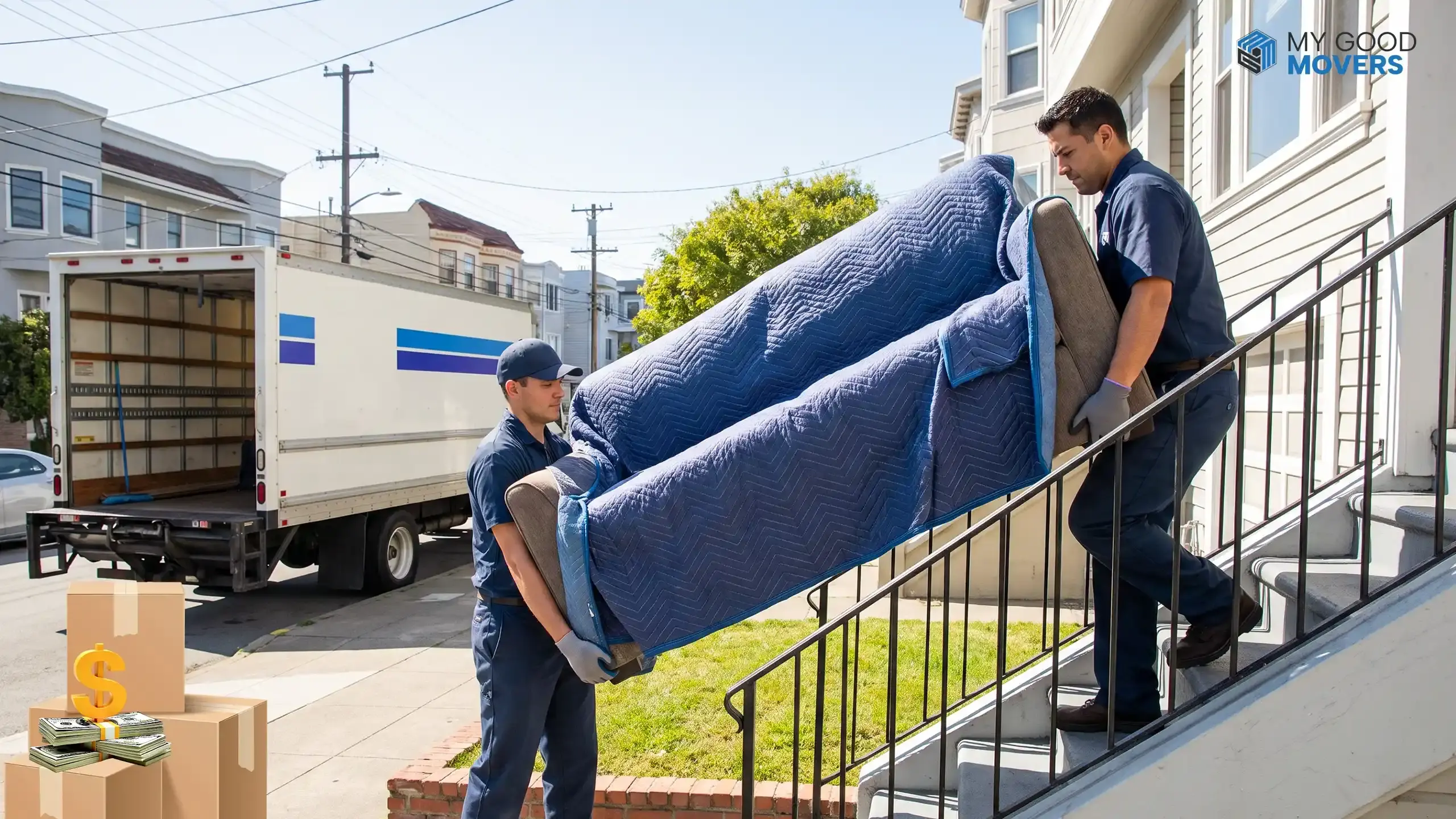
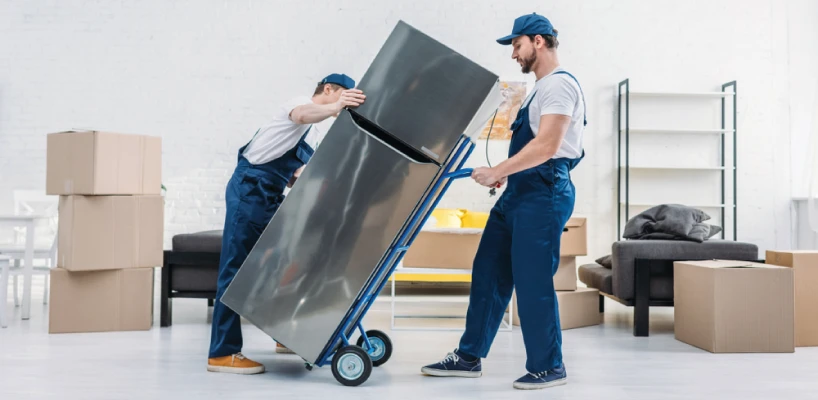
Gun safes cannot simply be lifted and carried. They require specialized tools such as heavy duty dollies, lifting straps, stair climbing equipment, and sometimes even powered lifting systems.
Companies that provide a professional service use equipment specifically designed for extremely heavy objects.
Safety Risks for People
One of the biggest concerns when moving a gun safe is personal safety. A safe that slips or shifts can cause serious injury. Back injuries, crushed fingers, and falls are common when people try to move heavy safes without proper training.
This is why many people rely on trained teams rather than one or two movers.
Secure Transportation and Placement
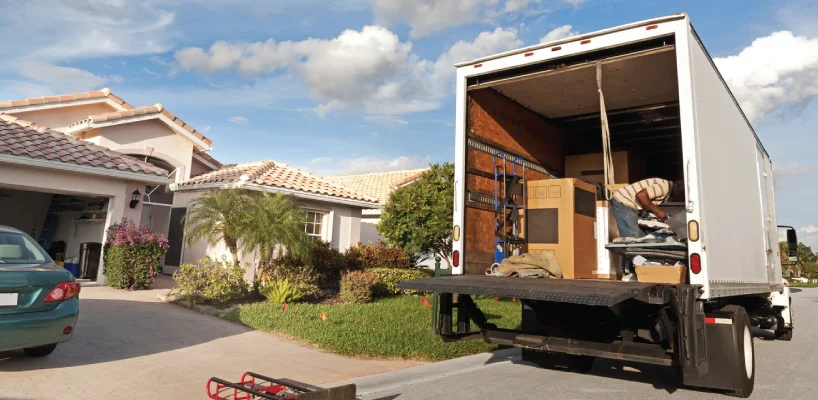
Moving the safe out of the house is only half the job. The safe must also be transported securely and positioned correctly in its new location. Improper loading in a truck can cause the safe to shift during transport, which can damage both the safe and the vehicle.
Experienced gun safe mover teams know how to secure the safe properly during transportation and place it safely at the destination.
When You Need Professional Gun Safe Movers
Sometimes the move is simple, but many times it is not. A gun safe becomes difficult to handle when the environment around it is tight, complex, or risky. In these situations, hiring experienced gun safe movers is often the safest choice.
Situations Where Standard Movers May Not Be Enough
You should consider hiring a professional gun safe mover or specialized safe movers if:
- The gun safe weighs several hundred pounds or more and cannot be safely lifted by a few people.
- The safe needs to be moved up or down stairs inside the house or building.
- The safe must pass through narrow hallways, tight door frames, or sharp corners.
- The safe is located in a basement, upper floor, or any difficult access area.
- The move involves delicate flooring such as hardwood, tile, or marble that can be damaged by heavy weight.
- The safe needs to be transported over a long distance between homes or buildings.
- The safe must be repositioned inside the home after delivery.
- The safe is extremely large or classified as a commercial grade safe.
- The move requires specialized lifting tools or heavy duty dollies.
- You are unsure how to move a gun safe safely without risking injury or property damage.
- The job requires heavy safe movers who are experienced with extremely heavy items.
- You are searching for companies that move gun safes because regular moving crews have declined the job.
Equipment Used to Move a Gun Safe Safely
Professional gun safe movers typically use specialized equipment to handle the weight and protect both the safe and the property. Some of the common equipment used in safe moving services includes:
- Heavy-duty appliance dollies
- Stair-climbing dollies
- Hydraulic lift dollies
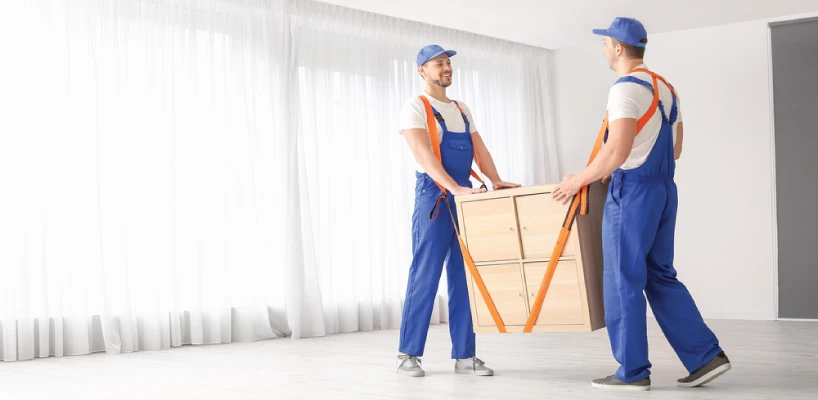
- Moving straps and lifting harnesses
- Skid boards
- Steel pipes or rollers
- Furniture sliders
- Loading ramps
- Lift gates on moving trucks
- Pallet jacks
- Ratchet straps and tie-down straps
- Protective floor runners
- Corner and wall protectors
- Moving blankets and padding
- Pry bars or crowbars
- Wooden blocking supports
How to Select Gun Safe Movers
If you want to make the right decision, the best way is to move step by step. If you follow the process below in order, it becomes much easier to choose the right team with confidence.
Step 1: Start by defining your move clearly
Before you contact any company, get clear about what needs to be moved and what makes the move difficult. You should know the approximate weight of the safe, where it is currently located, where it needs to go, and whether there are stairs, narrow hallways, tight turns, or delicate flooring involved.
You should also note whether the move is inside the same home or to another city.
Example: If your safe is in a basement and needs to be moved up one flight of stairs and then transported to a new house, that is a different job from moving a safe from one garage to another on the same property.
Step 2: Look specifically for companies that handle safes
Do not assume every moving company is qualified just because it handles heavy furniture. You need to look for companies that move gun safes, not just general household movers. Search for a gun safe moving company, that clearly mentions safes, heavy items, or high weight relocation in its services.
A company that moves couches and dining tables every day is not automatically trained to move a 900-pound safe through a stairwell.
Example: One company may advertise local residential moving only. Another may list safe relocation, vault delivery, piano moving, and other high weight items. The second one is much closer to what you need.
Step 3: Check whether they have real experience with gun safes
Once you find a few options, the next step is to verify actual experience. Ask how often they move gun safes, what weight ranges they handle, and whether they have dealt with situations similar to yours. You do not need a vague answer like “yes, we move heavy stuff.” You need a clear answer that shows familiarity with this exact type of job.
A reliable company should be able to explain the process in a specific way.
You can ask questions like:
- How many gun safes have you moved recently?
- Have you handled basement or upstairs safe moves?
- What is the heaviest safe your crew has moved?
- Have you moved safes through narrow doorways or staircases?
If the answers feel generic, that is a sign to keep looking.
Example: A trustworthy mover might say, “We recently moved a 1,200-pound safe from a first-floor office into a basement using a powered stair climber and floor protection.” That tells you far more than “Yes, we can handle it.”
Step 4: Ask what equipment they use
This is one of the most important steps. A qualified mover should use proper equipment, not improvised methods. Ask whether they use heavy duty dollies, lifting straps, stair-climbing equipment, floor protection, skid boards, ramps, or other tools designed for safe relocation.
The right tools reduce risk, protect your home, and make the move controlled instead of chaotic. If a company avoids the question or says they will “figure it out on the day,” treat that as a warning sign.
Step 5: Confirm they understand the access conditions
A good gun safe mover does not give a confident quote without understanding the physical layout of the move. They should ask where the safe is located, how many stairs are involved, what the entry and exit points look like, whether there are sharp turns, and whether there are any floor or structural concerns.
You should be cautious if a company gives a quick flat quote without asking a single question about the layout.
Example: A 600-pound safe on a ground floor with direct garage access may be easier to move than a 400-pound safe in a second-floor room with tight stairs and a narrow landing.
Step 6: Verify licensing, insurance, and damage coverage
You should never skip this step. Ask whether the company is licensed, if required in your area, and ask what type of insurance coverage they carry. More importantly, ask what happens if the safe, your floors, your walls, or your stairs are damaged during the move.
A serious company should be able to explain its coverage clearly. You want direct answers, not vague reassurance. “You’re covered” is not enough. Ask what is covered, what is excluded, and whether there is a claims process.
Step 7: Read reviews
Reviews are useful, but only if you read them carefully. Do not just look at the star rating. Read what people actually say. You want to know whether customers mention professionalism, punctuality, careful handling, clear communication, and successful completion of difficult moves.
Pay extra attention to reviews that describe situations similar to yours. If several people mention that the crew handled a basement safe, protected flooring, or managed a very heavy item without damage, that is more valuable than a general five-star review with no detail.
Example: A review that says “they moved my safe from the garage” is helpful, but a review that says “they moved my 800-pound safe downstairs without damaging the walls or floors” is much more useful.
Step 8: Compare estimates the smart way
Now you can start comparing quotes, but do it properly. Do not compare prices alone. Compare what is included in the service. One company may look cheaper at first, but that quote may not include stairs, floor protection, long carry distance, placement at the destination, or insurance-related details.
Ask for a written estimate and make sure the scope of work is clearly stated. You want to know exactly what you are paying for.
Example: Company A quotes $250 but does not include stair handling or final placement. Company B quotes $375 and includes stairs, floor protection, loading, transport, and room placement. In real terms, Company B may be the better value.
Step 9: Ask the right questions before you hire
Before making the final decision, ask direct questions. This is how you separate polished marketing from actual competence. Good movers will not be annoyed by thoughtful questions. In fact, experienced professionals usually expect them.
You can ask:
- Have you moved safes similar to mine?
- What equipment will you use for my move?
- How will you protect my floors, walls, and stairs?
- Is the quote fixed, or can it change on moving day?
- Is placement at the destination included?
- What happens if damage occurs?
- How many crew members will handle the move?
Step 10: Pay attention to how they communicate
This step is overlooked, but it matters a lot. The way a company communicates before the job often reflects how it will perform during the job. Are they organized? Do they answer your questions clearly? Do they ask smart questions about the move? Do they sound careful and professional, or rushed and careless?
When a company communicates well, it usually means they have a process. When they communicate poorly, it means the job will also be handled loosely.
Example: If one mover asks for photos, dimensions, safe weight, floor type, and stair details, while another simply says “send me the address,” you already know which one is taking the job more seriously.
Step 11: Confirm what happens on moving day
Before you book, make sure you understand what the actual moving day will look like. Ask when the crew will arrive, how long the move may take, whether preparation is needed beforehand, and whether the safe should be emptied before transport.
You should also confirm whether they will place the safe exactly where you want it or simply drop it at the entrance. Small assumptions can turn into big frustrations if they are not clarified in advance.
Step 12: Choose the mover that gives you confidence
At the final stage, step back and look at the full picture. Who understood your move best? Who asked the right questions? Who explained the process clearly? Who made you feel that your home, your safe, and your time would be treated with care?
That is usually the right choice.
Questions to Ask Before Hiring Gun Safe Movers
Before you finalize any gun safe moving company, it helps to ask a few direct questions. These questions allow you to quickly understand whether you are dealing with experienced professionals or general safe movers who may not have handled safes regularly.
- How many gun safes have you moved in the past year?
- What weight range of safes do you typically handle?
- Have you handled moves that involve stairs or basement placements?
- What equipment will you use to move my safe?
- How many crew members will be involved in the move?
- Do you provide full safe moving services, including transportation and final placement?
- Are you insured in case my safe, floors, walls, or stairs are damaged?
- Is the estimate fixed, or can the price change on moving day?
- Does the quote include stairs, long carry distances, or tight access areas?
- Will you place the safe exactly where I want it at the destination?
- Do you require the safe to be emptied before the move?
- How long does a typical gun safe move like mine take?
- Do you have experience as heavy safe movers for safes over 800 or 1,000 pounds?
- Can you provide references or customer reviews from similar jobs?
- What preparation should I complete before your crew arrives?
- Do you handle both in-home relocation and transportation between properties?
- Are there any additional fees that might apply during the move?
How to Compare Multiple Gun Safe Moving Companies
Once you start searching for gun safe movers, you will usually end up with several options. Maybe you searched for gun safe movers near me, and now you have three or four companies that look promising. This is where many people make a mistake.
They pick the cheapest quote or the first company that responds. A better approach is to compare them in a structured way.
You would not choose someone based only on price. You would want to know their experience, equipment, reliability, and how well they understand your situation.
A simple real-life scenario
Imagine you contact three different companies that move gun safes. Each one gives you a quote after you explain that your safe weighs around 800 pounds and needs to be moved from a basement to a new house across town.
At first glance, the prices look like this:
- Company A: $250
- Company B: $380
- Company C: $320
If you only look at the price, Company A seems like the obvious choice. But when you start asking the right questions, the picture becomes clearer.
- Company A may be a general gun safe moving company that does not specialize in heavy items and plans to handle the move with basic equipment.
- Company B provides professional gun safe moving services that include stair handling, floor protection, and proper transport equipment.
- Company C might fall somewhere in the middle.
What you should actually compare
When evaluating safe movers, focus on the details that affect the safety of the move. These include their experience, equipment, crew size, insurance coverage, and whether the quote includes the full scope of the job.
Below is a simple way to compare different companies before you decide.
| Comparison Factor | Company A | Company B | Company C |
|---|---|---|---|
| Experience moving gun safes | Limited experience | Experienced professional gun safe mover team | Moderate experience |
| Equipment used | Basic dolly | Specialized equipment used by heavy safe movers | Standard moving tools |
| Crew size | 2 movers | 3–4 trained movers | 2–3 movers |
| Stair handling included | Extra charge | Included | Included |
| Floor and wall protection | Not mentioned | Included | Basic protection |
| Insurance coverage | Limited | Full coverage | Partial coverage |
| Final placement of the safe | Entrance only | Placement inside the room | Placement included |
| Total quote clarity | Vague estimate | Detailed written quote | Basic estimate |
A practical way to make your final decision
When comparing multiple movers, ask yourself a few practical questions.
- Which company understood your situation best?
- Which one asked the most detailed questions about the move?
- Which one explained the process clearly?
- Which one seemed confident without being careless?
Common Mistakes to Avoid When Choosing Gun Safe Movers
Choosing the right team for the job is important, but many people make small mistakes during the hiring process that lead to bigger problems later.
Hiring based on price alone
Many people choose the cheapest quote without looking at what is actually included in the service. A very low price may mean the company lacks proper equipment or experience.
Assuming every moving company can handle gun safes
Not all movers have experience with safes. A general moving crew may be good at relocating furniture, but may not be trained for extremely heavy items. It is better to work with a gun safe moving company that regularly deals with heavy safes.
Ignoring reviews and past customer experiences
Skipping reviews is a common mistake. Reviews reveal how careful a company is, how they communicate, and whether they have successfully handled similar jobs before.
Not asking about equipment and moving methods
Some people hire movers without asking how the safe will actually be moved. Professional teams usually use specialized equipment for heavy items.
Failing to confirm insurance or damage coverage
Accidents are rare, but they can happen. If the movers damage your floors, walls, or stairs, you should know whether the company's insurance covers it.
Not explaining the full details of the move
Sometimes homeowners forget to mention stairs, tight hallways, or difficult access points when requesting a quote. This can lead to unexpected delays or additional charges on moving day.