



If you are staring at your dorm room and wondering how a few months of college somehow turned into boxes, bedding, books, a mini fridge, and furniture you cannot possibly drag home, you are not overthinking it.
You are dealing with a very real student problem, and that is exactly why storage units for college students have become such a practical solution.
In the United States, 20,066,904 students enrolled in colleges and universities in fall 2025. This means millions of students face the same problem at the end of the semester. They must pack their things, leave campus, and decide what to do with items they cannot take home.
At the same time, the self-storage industry now includes more than 57,000 facilities nationwide, so the challenge is no longer whether storage exists. The real challenge is finding the right option that is safe and worth your money.
So, if you are searching for summer storage for college students, you want a choice that fits your budget, protects your stuff, and saves you from last-minute panic.
Let's help you understand your options and find a storage setup that is manageable and made for real student life.
What Summer Storage Units for College Students Are
When people first hear about student storage, the idea can feel vague. It sounds useful, but many students are not exactly sure what it actually means or how it works in real life. So let’s discuss this first.
Definition of Student Summer Storage
Student summer storage is a short-term storage option designed specifically for college life. It allows students to store their belongings between semesters without the stress of transporting everything home.
Most students use storage units when dorms close or when they need temporary storage during summer break, internships, or study abroad programs. These units are rented for a few weeks or a few months.
In simple terms, it is just a safe place to keep your things until the next semester begins.
How It Differs from Regular Self-Storage
At first glance, student storage may sound the same as normal self-storage. The basic idea is similar. You rent a space and store your belongings. However, student storage is designed around the unique schedule and needs of college life.
Here is a simple way to look at the difference:
| Feature | Regular Self-Storage | Student Summer Storage |
|---|---|---|
| Typical Rental Length | Long-term rentals, often many months or years | Designed for summer storage for college students or semester breaks |
| Customer Type | General public, homeowners, businesses | Primarily college students |
| Unit Size Needs | Large units for household items | Smaller storage unit size options suited for dorm items |
| Convenience Services | Usually self-move-in | Some offer student pickup, delivery, and campus partnerships |
| Pricing Structure | Standard monthly rates | Often includes affordable storage units or student discounts |
Because students usually have fewer belongings than a full household, many facilities offer smaller student storage units that are easier to manage and more cost-effective.
Who Typically Uses It
You might be wondering whether storage is something only a small group of students uses. In reality, it is extremely common.
Students who typically rely on self-storage include:
- Students who live far from campus and cannot move their belongings home every summer.
- Students living in dorms that require a complete move-out during summer break.
- Students doing internships in another city for a few months.
- Students studying abroad for a semester.
- Roommates who want to split a small unit instead of transporting furniture home.
Types of Summer Storage Options for College Students
When students start looking for storage, many assume there is only one option. In reality, there are a few different ways students store their belongings during summer break.
Here are the most common college storage solutions students use.
Self-Storage Units
This is the most common option. You rent a small storage space at a nearby facility and move your belongings into it yourself. Many facilities offer student storage units in smaller sizes that are perfect for dorm furniture, boxes, and clothes.
Full-Service Student Storage
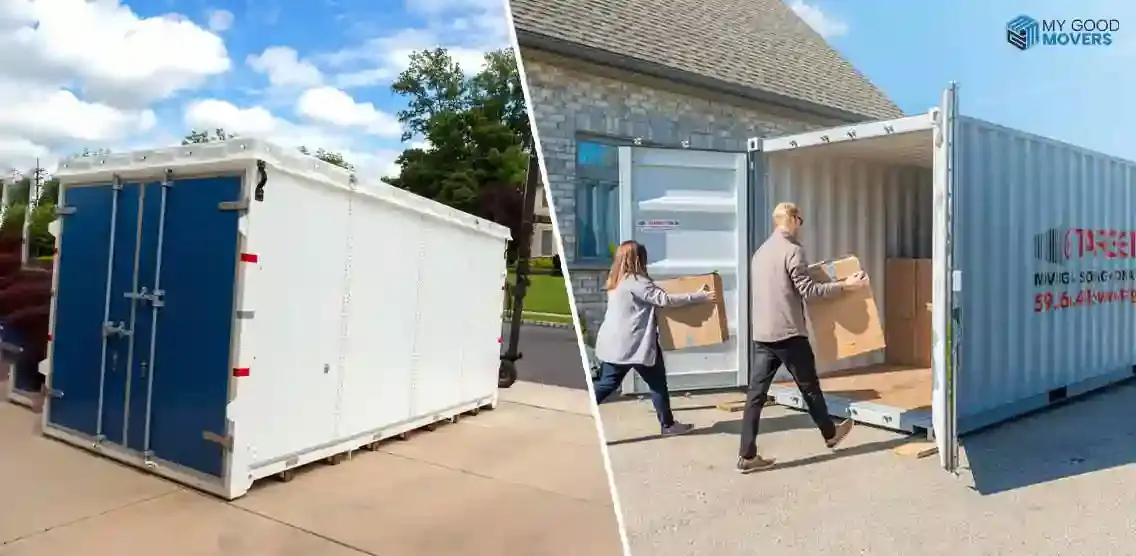
Some companies provide storage for college students and handle most of the work for you. They pick up your belongings from your dorm or apartment, store them over the summer, and deliver them back when the new semester begins.
Shared Storage with Roommates
Another practical option is renting one unit together with roommates or friends. This makes the cost much lower. If you and your roommate share items like furniture or appliances, splitting a unit can also make organizing easier.
On-Campus Storage Programs
Some universities partner with storage providers or run their own student programs. These are designed specifically as short-term storage for students during semester breaks.
Storing Items with Friends or Family
Some students skip commercial storage and leave their belongings with a friend who lives nearby or with relatives in the same city. It can work for small items, but it is not always practical if you have a lot of items or furniture.
Why College Students Use Storage During Summer
By the time summer break arrives, most students face the same situation. The semester ends, dorms start closing, leases expire, and suddenly, there is a room full of belongings with nowhere to go. That is usually the moment students start searching for practical college storage solutions.
Here are the most common reasons students use storage during the summer.
Dorm Move-Out Requirements
Many colleges require students to completely empty their dorm rooms at the end of the semester. Even if you are returning to the same campus in a few months, you still have to move everything out. This is where storage for college students becomes helpful.
Traveling Home for the Summer
A lot of students live hundreds or even thousands of miles away from campus. Carrying furniture, boxes, and electronics across states or countries is not practical. Using temporary storage allows students to leave their belongings near campus.
Summer Internships or Short-Term Moves
Some students stay in a different city for internships, summer programs, or seasonal work. In these situations, bringing dorm furniture or extra belongings is unnecessary. This is where short-term storage becomes a convenient option.
Shared Apartments Closing Between Leases
Students who live in off-campus housing deal with lease gaps. For example, one lease may end in May while the next apartment is not available until August.
Instead of moving belongings multiple times, students choose self-storage units as a simple way to keep everything in one place.
Avoiding the Stress of Moving
Moving belongings back home and then bringing them back again a few months later can be exhausting. It takes time, effort, and additional travel costs.
For many students, storage units become the more practical option. It allows them to store dorm furniture, boxes, and everyday items without repeating the same move twice.
How Summer Storage for College Students Works
If you have never used storage before, the process might seem a little confusing at first. In reality, it is much simpler than most students expect. Once you understand the basic steps, the whole idea of summer storage becomes manageable.
Choose a Storage Option Near Your Campus
The first step is deciding where you want to store your belongings. Most students start by looking for the best storage units for college students located close to campus.
At this stage, students usually compare budget-friendly self-storage options, check reviews, and look at different storage unit size choices to see what fits their belongings.
Book Your Storage Space
Once you find a facility or service that fits your needs, the next step is reserving the unit. Many students rent a storage unit for the first time, so most facilities make the booking process very simple.
You usually select the size of the unit, choose the rental period, and complete the reservation online or in person.
Pack and Prepare Your Belongings
Before moving your items into storage, it is important to organize everything properly. Most students pack their belongings into boxes, separate fragile items, and prepare furniture for storage.
Move Items into the Storage Unit
After packing, you move your belongings into the storage unit. If you choose traditional student storage units, you will transport the items yourself using a car, rideshare, or small moving vehicle.
If you selected a full-service provider, the company will pick up your belongings from your dorm or apartment and place them into storage for you.
Retrieve Your Items When the Semester Starts
When summer ends, and you return to campus, you simply go back to the storage facility and collect your belongings. Many students plan their pickup a few days before moving into their new dorm or apartment.
How to Choose the Right Storage Unit Size
One of the first questions students usually ask is simple. How much space do I actually need?
Choosing the right storage unit size matters more than most people think. If the unit is too small, you will struggle to fit everything. If it is too large, you may end up paying for space you never use.
So, follow a few simple steps to choose the right storage unit size:
Start by Listing What You Plan to Store
Before looking at storage sizes, take a few minutes to think about everything you want to store. Walk around your room and mentally group your items.
Most dorm rooms usually include things like clothing, bedding, books, boxes, a mini fridge, small furniture, or a desk chair. When you list these items first, it becomes easier to estimate the amount of space you need.
Group Your Items Into Categories
Once you have a list, try grouping your belongings into three simple categories.
- Boxes and small items such as books, shoes, and school supplies.
- Medium items like suitcases, storage bins, or folded chairs.
- Larger items such as mini fridges, mattresses, or small desks.
This step helps you visualize how your belongings will stick together inside the unit.
Estimate the Number of Boxes You Will Have
Boxes are usually what take up most of the space. A typical dorm move-out can easily create eight to fifteen boxes, depending on how long you stayed on campus. For college students, a small unit is enough for dorm items plus a few larger pieces of furniture.
Think About Sharing a Unit With Roommates
If you and your roommate are both leaving campus for the summer, sharing a unit can be a smart option. Splitting the space gives you more affordable options because you divide the cost.
Shared units also work well when storing common apartment items like couches, tables, or kitchen appliances.
Ask the Storage Facility for Guidance
If you are still unsure, do not hesitate to ask the storage facility for advice. Most providers that offer the best storage for students deal with college move-outs every year, so they can usually recommend the right size within minutes.
What College Students Can Store Over Summer
When students use storage units, the goal is to store the things you will need again next semester without having to carry them home for a few months.
Here are the common items students usually place in storage units during summer break:
- Clothing and seasonal clothes
- Bedding, blankets, and pillows
- Shoes and personal accessories
- Books and academic materials
- Notebooks and school supplies
- Storage bins and boxes
- Small shelves and dorm organizers
- Desk chairs and small desks
- Mattresses and mattress toppers
- Mini fridges and microwaves
- Coffee makers and small appliances
- Fans and small air purifiers
- Lamps and desk lighting
- Rugs and floor mats
- Suitcases and travel bags
- Bikes and sports equipment
- Gaming consoles and monitors
- Decorative items and posters
What College Students Cannot Store
While storage units for college students are designed to hold most personal belongings, there are certain items that storage facilities do not allow for safety and legal reasons.
Here are the common items that are typically not allowed in student storage units:
- Perishable food items
- Fresh produce and groceries
- Plants and living organisms
- Pets or animals
- Flammable liquids and fuels
- Gasoline or propane tanks
- Fireworks and explosives
- Firearms and ammunition
- Hazardous chemicals
- Toxic or radioactive materials
- Wet items or damp belongings
- Illegal items or stolen goods
- Strong odor producing materials
- Unsealed liquids
- Garbage or waste materials
How Much Summer Storage Costs for College Students
One of the biggest questions students have before choosing storage units is simple. How much will it actually cost?
The cost of summer storage depends on a few practical factors. The most important ones are the storage unit size, the location of the facility, the length of time you plan to store your belongings, and whether you choose traditional self-storage or a full-service storage company.
Cost by Unit Size
Most students do not need large units. Dorm belongings usually fit into smaller spaces, which is why many facilities offer economical storage units specifically suited for student needs.
| Storage Unit Size | What It Typically Fits | Average Monthly Cost |
|---|---|---|
| 5×5 Unit | Boxes, clothes, small items, and dorm supplies | $40 – $80 |
| 5×10 Unit | Dorm furniture, boxes, mini fridge, mattress | $70 – $130 |
| 10×10 Unit | Shared apartment items or multiple students | $110 – $200 |
| 10×15 Unit | Furniture from larger apartments | $160 – $260 |
For most dorm room storage, a 5×5 or 5×10 unit is usually enough. This is why many facilities market these smaller units as affordable storage units.
Cost of Full-Service Student Storage
Some students prefer convenience over moving themselves. Full-service companies offer a different type of storage solutions where they pick up your belongings, store them for the summer, and deliver them back when the semester begins.
These services usually charge per item, per box, or as a bundled student package.
| Service Type | What Is Included | Average Cost Range |
|---|---|---|
| Per Box Storage | Pickup, storage, and return delivery | $30 – $60 per box |
| Per Item Storage | Larger items like mini fridges or chairs | $20 – $50 per item |
| Semester Storage Package | Multiple boxes plus pickup and delivery | $150 – $400 total |
| Full Room Storage | Entire dorm room contents | $300 – $700 total |
Students who do not have cars or time to move belongings choose this option because it is considered one of the best storage options for students in terms of convenience.
Extra Fees Students Should Expect
The monthly rental cost is only one part of the total price. Students who rent a storage unit for the first time are sometimes surprised by additional fees that may apply depending on the facility.
Here are some of the common extra costs you might see when using self-storage units.
| Additional Fee | Typical Cost |
|---|---|
| One-time administration fee | $10 – $30 |
| Security deposit | $20 – $100 |
| Required storage lock | $10 – $25 |
| Storage insurance | $8 – $20 per month |
| Late payment fee | $15 – $40 |
| Moving truck rental (if needed) | $40 – $120 |
Alternatives to Summer Storage Units
Not every student chooses storage units during summer break. Depending on personal circumstances, some students prefer other ways to store their belongings temporarily.
Here are common alternatives to summer storage for college students:
- Taking belongings home for the summer
- Leaving items with friends who live near campus
- Storing belongings at a relative’s house in the same city
- Keeping items in a shared apartment during lease gaps
- Using campus-provided student storage programs
- Subletting an apartment and leaving belongings there
- Renting a garage or spare room from someone nearby
- Shipping boxes home using courier services
- Using luggage storage services in the city