



So you've finally got the keys. The moving truck has pulled away, the boxes are stacked in every corner, and you're standing in the middle of your new home, wondering, where do I even start?
Knowing what to do after moving into a new home is not only about unpacking boxes. You also need to make sure your utilities are working, your home is secure, and you stay calm and organized. All of this usually happens in the first 48 hours, when you are already tired and stressed.
"The first few days after moving can either set the tone for a peaceful home or weeks of unnecessary chaos. Which one you experience depends almost entirely on what you do in the first 24 hours."
82% of Americans rate moving as one of life's most stressful experiences. That’s not because moving is impossible to manage, it's because most people don't have a clear plan for after move-in day.
Let’s fix that and discuss the things that you need to do after moving into a new home.
- Prioritize safety before unpacking. Change the locks and test smoke detectors first.
- Confirm all utilities are active within the first 24 hours.
- Always deep clean before placing furniture. It is much harder to clean around it.
- Unpack by room priority. Bedroom first, then kitchen, then bathroom.
- Update your address within 30 days to avoid missing important mail and billing issues.
- Explore the neighborhood early. Familiarity builds comfort faster than most people expect.
Why the First Few Days Matter Most After Moving
The first few days after moving are usually more exhausting than people expect. Your body is tired, your mind is processing a new environment, and even simple decisions start feeling heavy.
That’s why the first 72 hours after moving into a new house are so important.
You Notice Problems Early
During the first few days, you can spot issues like leaks, broken switches, weak internet, or damaged items. Finding these problems early helps you fix them before they become bigger.
It Helps You Settle In Faster
Getting organized early makes the home comfortable sooner. Studies show most people take around 2–4 weeks to fully adjust after moving, so the first few days help make the transition easier.
Good Organization Saves Time
If boxes, documents, and daily items stay unorganized for too long, simple tasks become difficult. Organizing essentials early helps you save time and avoid confusion later.
Your Routine Starts Here
After moving, you need to adjust to a new space, new neighbors, and sometimes a new area. The first few days help you build a normal routine again.
Safety Checks Matter Early
Early safety checks make sure the home is secure and working properly. Many homeowners inspect locks, lights, smoke alarms, and utilities on the first day to avoid future problems.
Quick Reality Check
| 78% homeowners | 25M+ moves yearly | 1–3 weeks to adjust | First-day essentials |
| Say moving feels overwhelming | Families relocate every year | Time needed to feel settled | Utilities, safety, and basic setup |
Things to Do After Moving Into a New Home
After moving in, there are a few important things you should handle first. These tasks make daily life easier and help you settle into your new home faster.
1. First 24 Hours Priority Tasks
Before you unpack a single box, walk through the entire home. Open every door, check every window, test every light switch.
Most people skip this walk-through and regret it. Better to know now than to explore it at 2 am in the morning.
Check Home Safety and Security First
Before you unpack, before you do anything else, change your locks or call a locksmith. You have no idea how many copies of the previous key exist. A rekey costs between $50 and $150.
That is a small price for immediate peace of mind.
- Rekey or replace all exterior door locks on day one
- Test every smoke detector and replace batteries if they are older than 6 months. Detectors themselves should be replaced every 10 years.
- Locate the carbon monoxide detector. If there is not one, buy one today. They cost around $25 to $40.
- Check window latches, garage door locks, and any basement entry points
- Find your circuit breaker panel and main water shutoff before an emergency forces you to look for them
Myth Buster
Myth: A new home is automatically safe because the previous owners seemed trustworthy.
Reality: Previous owners and tenants may have made dozens of key copies over the years for cleaners, pet sitters, family, and neighbors. Locks can be compromised without anyone knowing. Security checks must happen on day one.
Do a Quick Home Condition Inspection
Spend 30 to 45 minutes doing a systematic walk-through. You are looking for things that need immediate attention, not future renovation projects. Just real problems that could affect daily living right now.
- Check under all sinks for slow leaks or water stains, which are signs of past leakage.
- Run every faucet and check the water pressure. Low pressure may indicate a plumbing issue.
- Test all electrical outlets with a phone charger. Dead outlets need attention.
- Turn on the HVAC system and let it run for 10 minutes. Listen for unusual sounds or smells.
- Check walls and ceilings for cracks, water stains, or discoloration
- Open and close every window. Stuck windows are a fire safety concern.
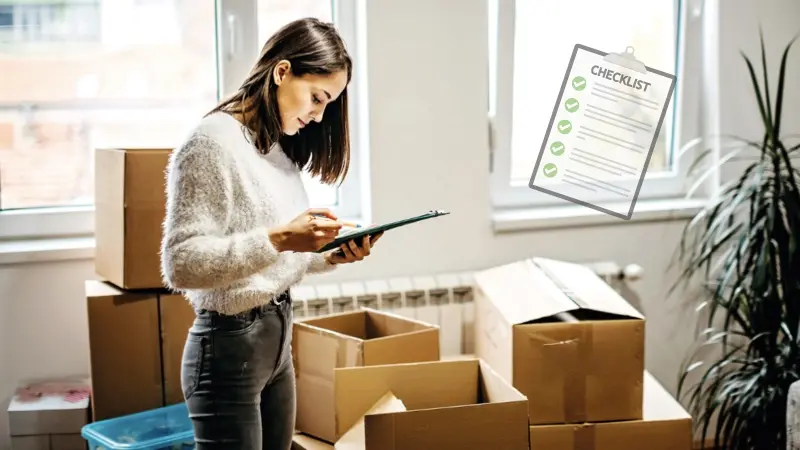
First 24 to 48 Hour Move-In Priority Checklist
| Priority Level | Task | Time Needed |
|---|---|---|
| Critical | Change or rekey all entry door locks | 1 to 2 hours |
| Critical | Test all smoke and CO detectors | 20 minutes |
| Critical | Confirm electricity, gas, and water are active | 30 minutes |
| High | Inspect for leaks, mold, and wall damage | 45 minutes |
| High | Set up the bedroom for the first night's sleep | 1 hour |
| High | Deep-clean the kitchen before using it | 1 to 2 hours |
| High | Sanitize bathrooms thoroughly | 45 minutes |
| Medium | Locate the circuit breaker and the main water shutoff | 15 minutes |
| Medium | Identify the nearest hospital and pharmacy | 10 minutes |
| Lower | Introduce yourself to a neighbor | Whenever you feel ready |
2. Set Up Essential Utilities and Services
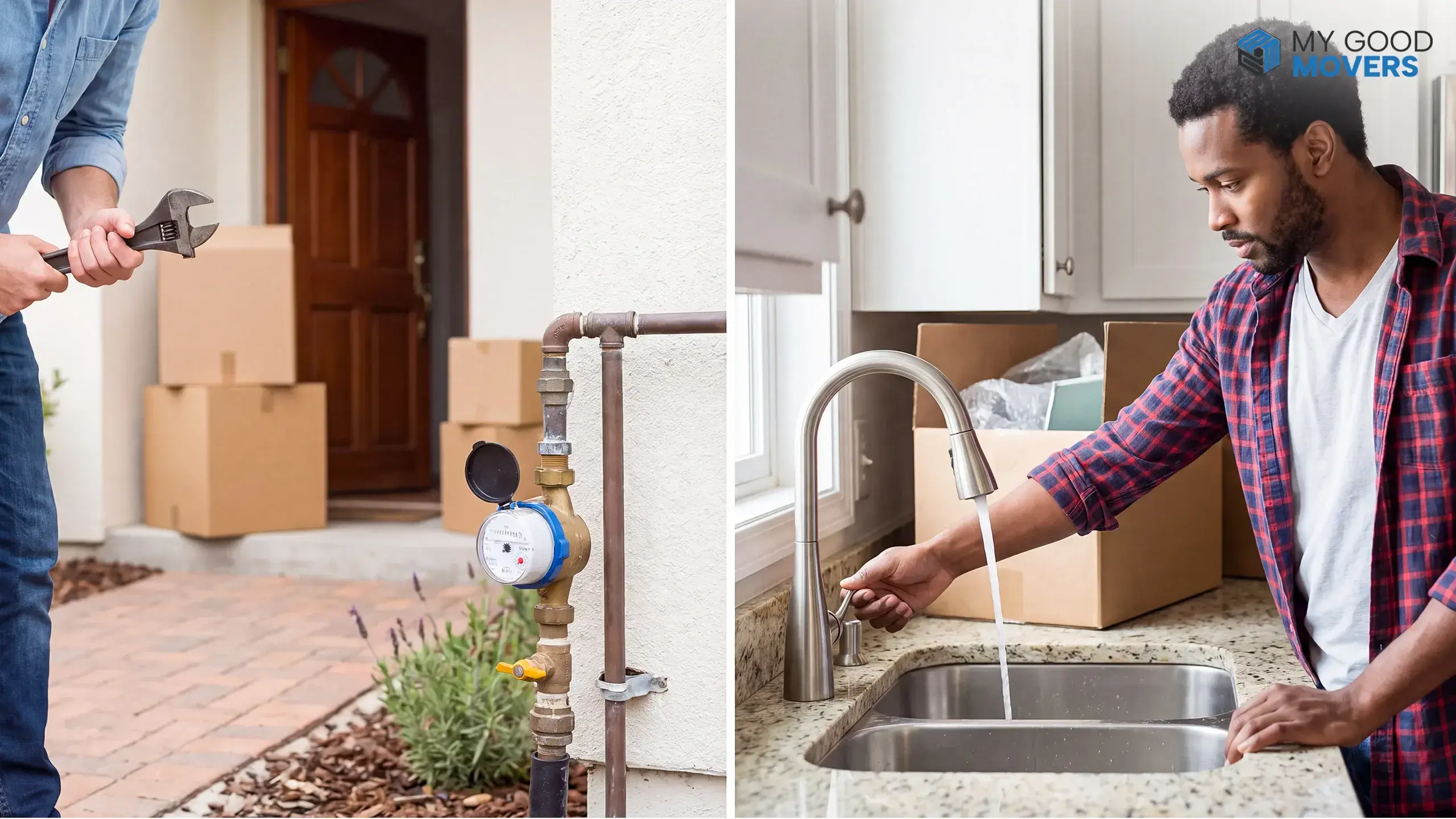
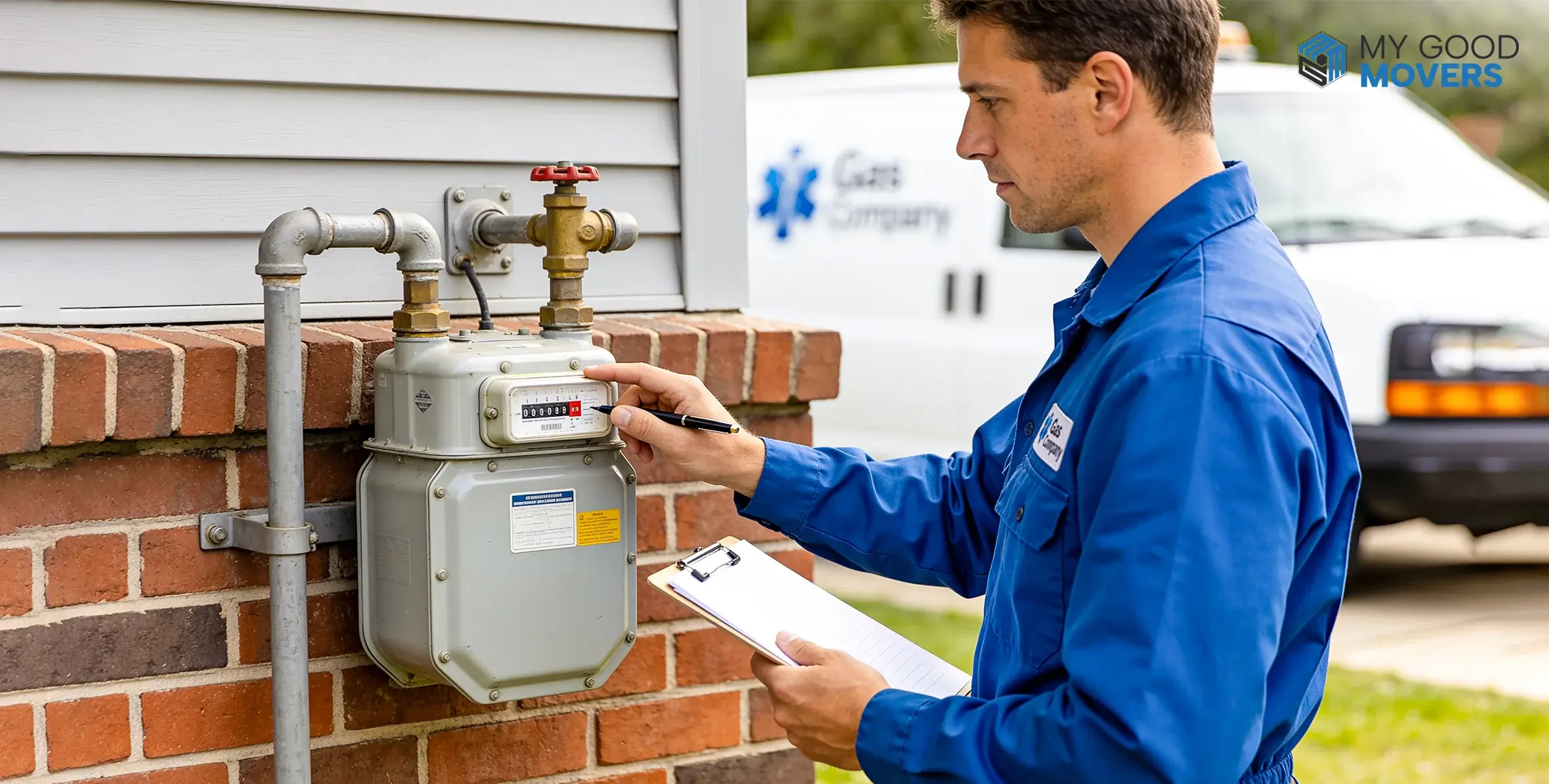
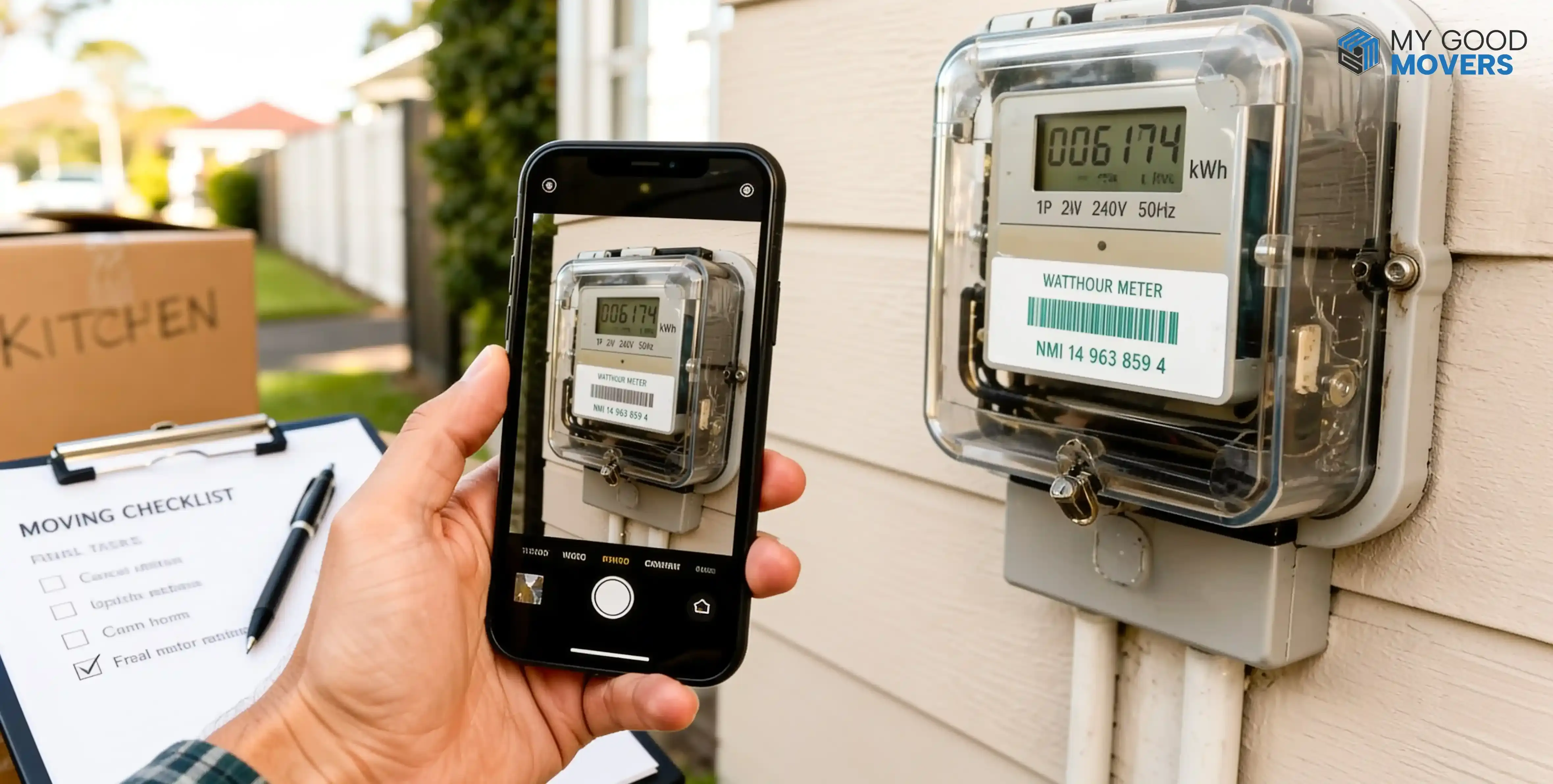
Proper utilities setup after moving should always be your first priority, so your home is fully functional from day one.
Electricity, Gas, and Water
If your utilities were not transferred before moving day, get on the phone immediately. Most providers can activate service the same day or within 24 hours. Do not assume they are active. Call and verify.
Internet and Wi-Fi
Nearly 1 in 5 Americans work remotely full-time. If you are one of them, internet setup is urgent. Schedule installation before your move-in date so you are not losing work hours on day one. A mobile hotspot works as a solid backup for the first couple of days.
Trash, Recycling, and Mail
Find your trash pickup schedule from the local municipality website or by calling the city office. Set up mail forwarding through USPS right away. It takes about 5 minutes online and costs $1.10 to verify your identity.
Home or Renters Insurance
If you do not already have coverage, arrange it before you bring your belongings inside. Renters insurance averages around $15 to $20 per month and covers everything you just moved into. Home insurance can take 24 to 48 hours to activate, so arrange it before moving day.
Local Service Providers to Save in Your Phone
Do this before you need them in a panic: save a local locksmith, emergency plumber, electrician, HVAC technician, nearest 24-hour pharmacy, urgent care clinic, and poison control center.
3. Deep Clean Before Settling In
Clean before you unpack. Always. Once furniture is placed, you will never get as good a shot at the floors, baseboards, and cabinets again.
This is one of those things that sounds obvious, but almost everyone skips.
- Start with high-touch surfaces: Light switches, door handles, and cabinet knobs.
- Kitchen: Scrub inside the fridge, oven, and all cabinet interiors before storing food or dishes
- Bathrooms: Disinfect the toilet, sink, and shower thoroughly, even if they appear clean
- Floors and carpets: Mop hard floors and steam clean or shampoo carpets where possible
- Replace HVAC filters right away. They typically cost $10 to $20 each. Old filters circulate dust, allergens, and sometimes mold spores through the air you breathe every day.
Myth Buster
Myth: “New homes are already clean and move-in ready.”
Reality: Even clean-looking homes can have dust, allergens, and bacteria in vents, cabinets, bathrooms, and storage areas.
4. Home Setup Room by Room
Trying to complete the entire house at once usually creates frustration. The smartest home setup after moving follows priority-based organization.
Focus on rooms that directly impact:
- sleep
- hygiene
- eating
- relaxation
Everything else can wait.
Bedroom First
Set up your bedroom before you do anything else. After a long moving day, having a proper bed to sleep in is one of the most important things you can do for your mental and physical recovery.
Assemble the bed frame, put on the sheets, and hang blackout curtains if you have them. That is enough. Everything else in that room can wait.
Kitchen Setup
Set up just enough of the kitchen to make a basic meal. You do not need every pot and pan unpacked on day one. Focus on plates and glasses, basic utensils, and cleaning supplies stored under the sink.
Bathroom Setup
Get your toiletries out, hang the shower curtain, and put toilet paper in every bathroom. These sound obvious. They are also exactly the things people forget and explore at midnight.
Living Area
This one can wait 2 to 3 days. Get the furniture placed so you have somewhere to sit, but do not stress about decor, wall hangings, or styling. Function before form, always.
Room-by-Room Unpacking Order
| Priority | Room | Focus Items | Why This Order |
|---|---|---|---|
| 1st | Bedroom | Bed, bedding, 3 days of clothes | Rest enables clear thinking the next day |
| 2nd | Bathroom | Toiletries, towels, toilet paper | Daily necessity from the very first night |
| 3rd | Kitchen | Coffee maker, basic cookware, food staples | Saves money versus eating out all week |
| 4th | Living Room | Couch, TV, and Wi-Fi router | Comfort and communication hub |
| 5th | Home Office | Computer, desk, cables, internet connection | Same-day priority if you work remotely |
| 6th | Storage and Other | Non-essentials, seasonal, and decorative items | Can wait 1 to 2 weeks without any issue |
Smart Unpacking and Organization
Unpacking randomly is the fastest way to feel overwhelmed for two full weeks. Instead, use the room-based method. Finish one room completely before starting the next. Even if it takes a full day per room, you will always have at least one organized space to retreat to when everything else still feels chaotic.
- Start with essentials first, such as clothes, toiletries, chargers, medicines, and kitchen basics. These are the items you will use immediately.
- Unpack one room at a time instead of moving between different rooms. This keeps the process simple and prevents unnecessary mess.
- Set up the bedroom early. A clean and comfortable sleeping space helps you rest properly after a long moving day.
- Keep important documents, keys, and daily-use items in one easy-to-find place. This saves time and avoids frustration later.
- Use a donate or discard box while unpacking. Moving is a good time to remove items you no longer need.
- Do not rush to unpack everything in one day. Most people take several days or even weeks to fully settle into a new home.
Handle Important Administrative Tasks Early
Most people put this off for weeks. It is one of the most expensive mistakes you can make after moving. Some services, like insurance companies, banks, and government agencies, take 5 to 10 business days to update records. The longer you wait, the more mail gets lost, and the more potential coverage gaps open up.
Post-Move Admin Task Tracker
| What to Update | Deadline | How to Update | Consequence of Delay |
|---|---|---|---|
| USPS Mail Forwarding | Within 2 weeks | usps.com (~$1.10 fee) | Missed bills and important letters |
| Bank + Credit Cards | Within 2 weeks | Online banking/phone | Missed statements; potential fraud flag |
| Driver's License | 30–60 days (varies by state) | Visit the local DMV in person | Fines; complications if pulled over |
| Vehicle Registration | 10–30 days (varies by state) | Local DMV | Registration lapse; possible fine |
| IRS (Tax Address) | Before next tax season | File Form 8822 | Missed refund checks; correspondence lost |
| Voter Registration | Before the next election deadline | vote.org or state website | Unable to vote in the correct precinct |
| Home / Renters Insurance | Day 1 ideally | Contact your insurer directly | Claims may be denied at the new address |
| Health Insurance | Within 30 days | Contact provider; check in-network status | Out-of-network charges; losing coverage |
| Subscriptions (streaming, deliveries) | Week 1–2 | Individual account settings | Deliveries to old address; account issues |
| Employer / Payroll | ASAP | HR or payroll department | W-2 and tax forms sent to the wrong address |
Buy the Essentials You Need After Moving In
One of the biggest post-move money mistakes is buying too much too fast. Resist the urge to fill every shelf and furnish every corner immediately. Live in the space for a week first, and you'll have a much clearer sense of what you actually need versus what you thought you'd need.
That said, there are genuine Day 1 essentials worth picking up if you don't already have them:
- Cleaning supplies, including multipurpose spray, mop, toilet brush, trash bags, and paper towels
- Basic tools, including a hammer, screwdrivers, measuring tape, level, and a power drill
- Safety items such as a smoke detector if one is missing, a first aid kit, a flashlight, and batteries
- Kitchen basics, including dish soap, sponges, food staples, coffee or tea
- Bathroom basics, including a shower curtain and rings, bath mat, extra toilet paper, and hand soap
- Organization supplies like plastic bins, drawer organizers, and over-door hooks that save space right away
Get Familiar With the Neighborhood
One study found that people who build even minimal neighborhood connections within the first two weeks report feeling "at home" significantly faster than those who don't.
- Walk or drive a 10-minute radius to locate the nearest grocery store, pharmacy, gas station, and coffee shop.
- Save the address of the nearest urgent care clinic and hospital ER to your phone.
- Check local parking rules, especially if you have street parking, to avoid tickets.
- Introduce yourself to at least one or two immediate neighbors. A simple "Hi, we just moved in" is enough; you're not committing to friendship, just building basic familiarity.
- Find out about local community resources: recycling schedules, noise ordinances, community boards and the NextDoor app for the neighborhood.
Myth Buster
Myth: "You must unpack everything within the first week to beat move-in stress."
Many believe that living among boxes prolongs moving anxiety, so a frantic, non-stop unpacking marathon is the best remedy.
The Reality: Rushing creates chaos, not comfort. A frantic 3-day blitz leads to burnout, and items are shoved into the nearest empty drawer rather than where they actually belong.
The Fix: Take a systematic, room-by-room approach over 2–4 weeks.
Common Mistakes People Make After Moving In
To save yourself weeks of frustration, make sure you aren't guilty of these post-move blunders:
- Unpacking randomly: Opening every box at once creates visual chaos and mental overload. Always unpack room by room, one space at a time.
- Ignoring utilities: Assuming everything is active without verifying leads to cold showers and dark kitchens on the first night. Always call and confirm.
- Delaying address updates: Missing bank statements or insurance documents because your old address is still on file is extremely common and completely avoidable. Do this in the first week.
- Skipping security checks: Many people assume the previous tenants returned all keys. According to locksmith industry data, fewer than 20% of renters ever get all copies of their keys back when moving out. Change the locks.
- Decorating before organizing: A home that looks nice but does not function well is frustrating to live in. Get the basics organized first before you think about wall hangings and styling.
- Buying too much too soon: The first week is not the time to furnish the entire house. Buy what you need now and let the rest come gradually once you understand how you actually use each space.