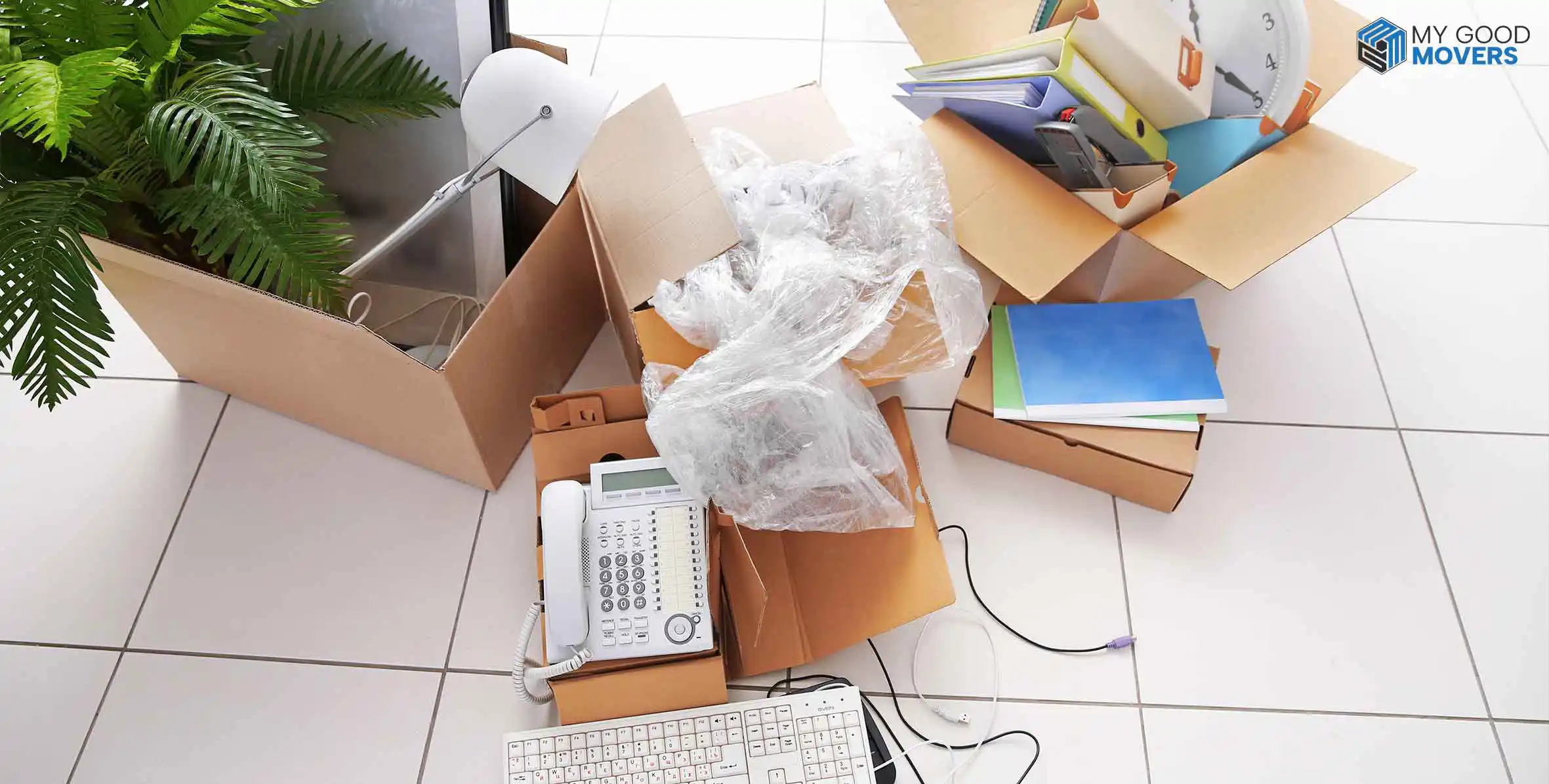




If you have ever stood in the middle of a room filled with half-packed boxes, random papers, and clothes you forgot you owned, you already know that moving can be emotionally exhausting.
Most people think the hardest part is lifting furniture or hiring movers, but in reality, the mental pressure starts much earlier. That stress usually comes from one thing: feeling unprepared.
That is exactly why learning how to pack for a move is more important than most people realize. When your packing process is organized, your entire move feels lighter, faster, and far less chaotic. You stop wasting time searching for essentials, you reduce the chances of damaging expensive items, and you avoid the last-minute panic.
The problem is that most online guides give generic advice and don't understand the real challenges people face during a move. People are searching because they want reassurance that they are not forgetting something important.
Let's learn practical and realistic strategies that actually make moving easier.
Read these in-depth packing guides for more detailed step-by-step instructions.
- How to Pack Fragile Items Safely
- How to Pack Kitchen for Moving
- How to Pack Books for Moving
- How to Pack Clothes for Moving
- How to Pack Toiletries for Moving
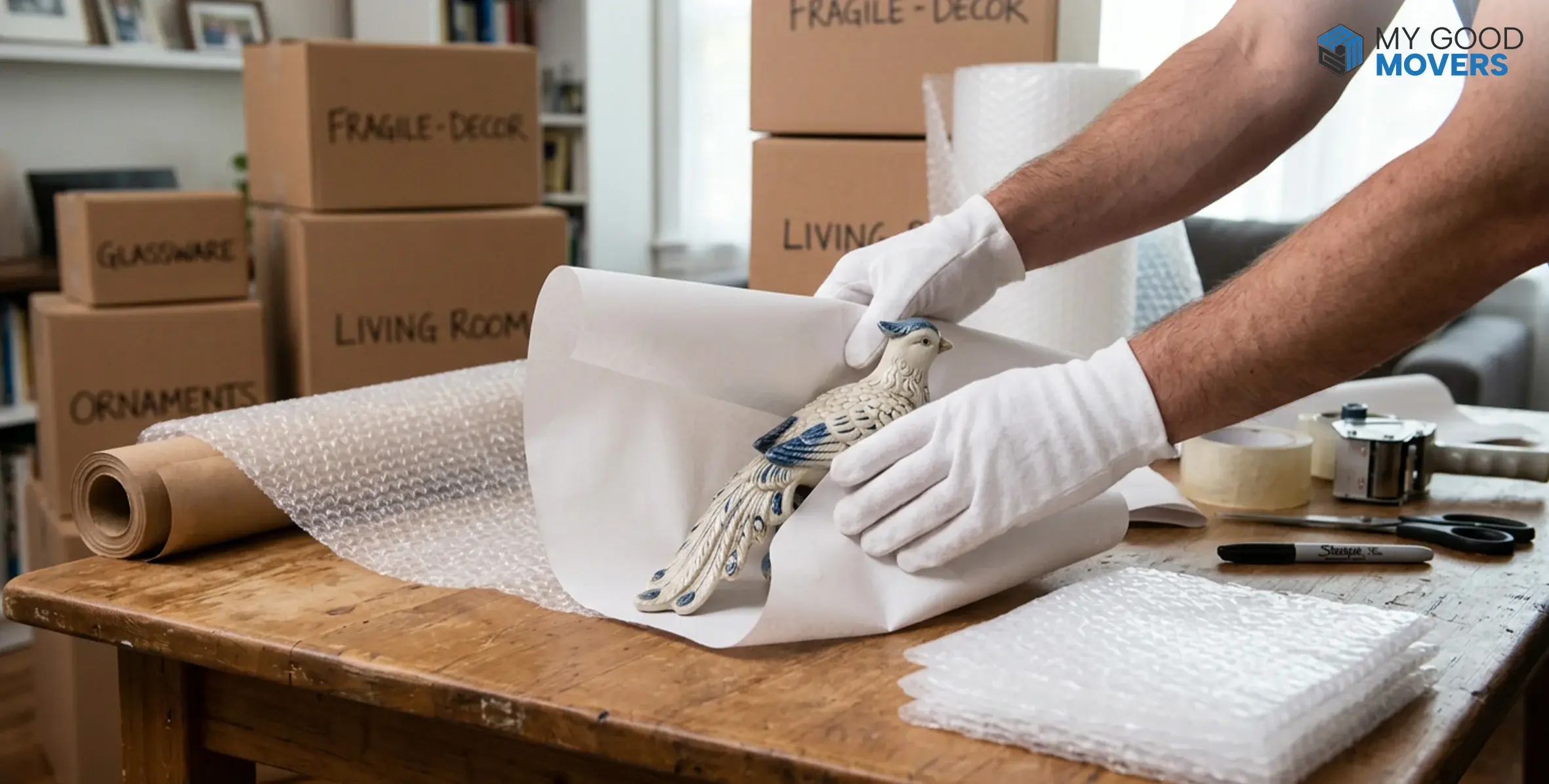
- How to Pack Decorative Items for Moving
- How to Pack Electronics
- How to Pack Furniture Properly
- How to Pack TV for Moving
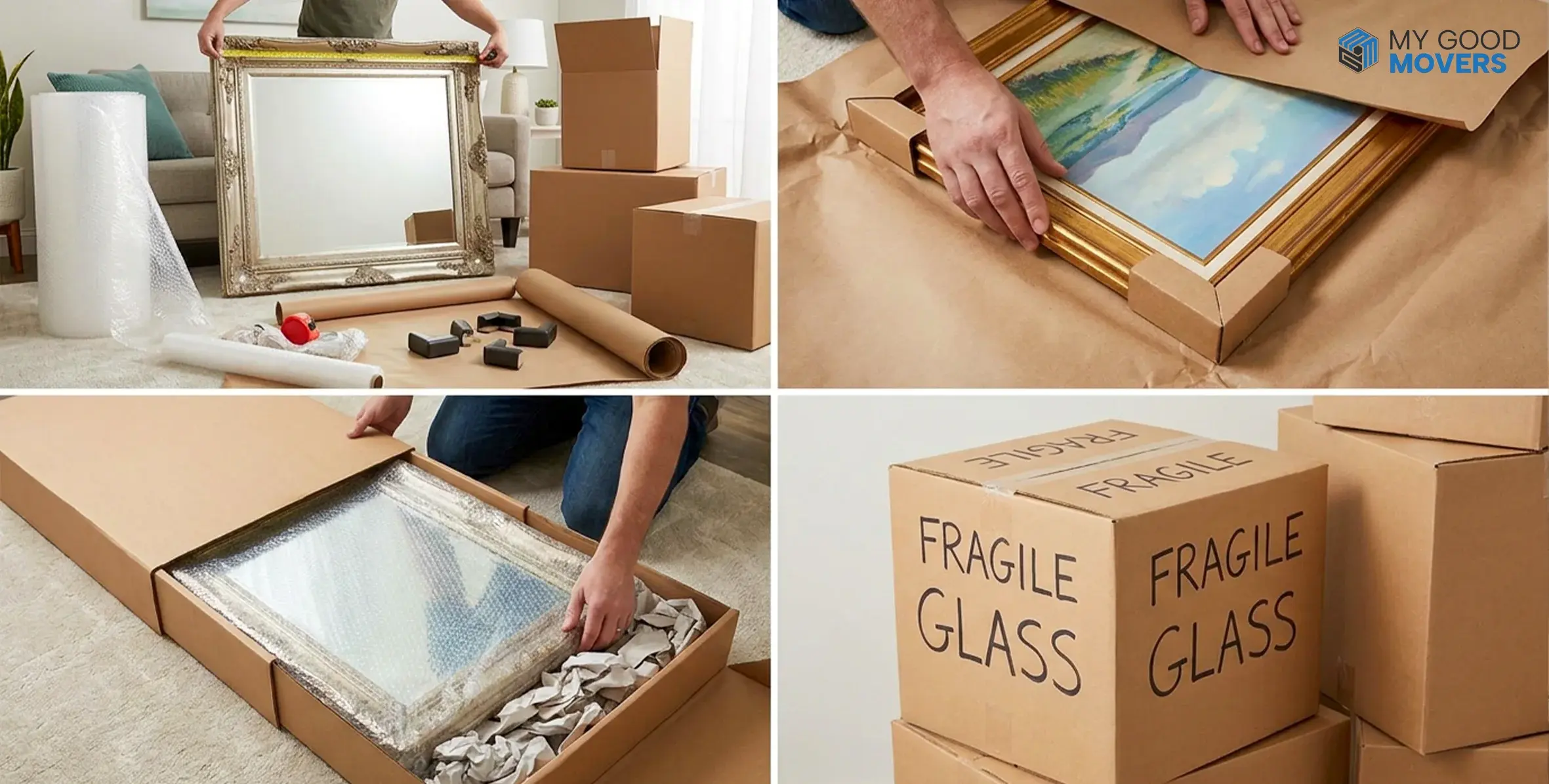
- How to Pack Artwork and Mirrors for Moving
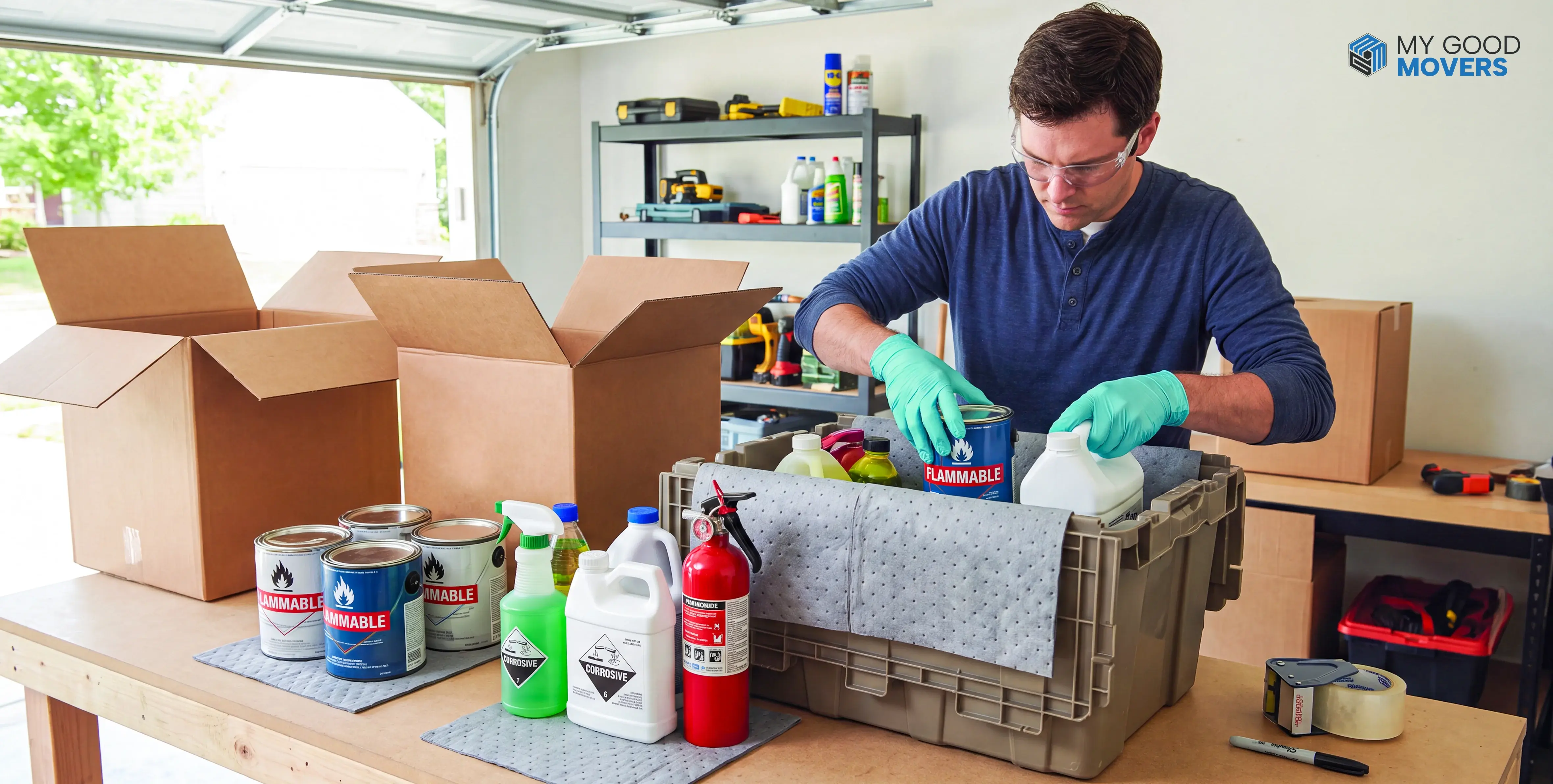
- How to Pack Hazardous Household Items
- How to Pack a Garage For Moving
- How to Pack a Moving Truck
- How To Pack Shoes For Moving
- How to Pack Pictures for Moving
- How to Pack Plants For Moving
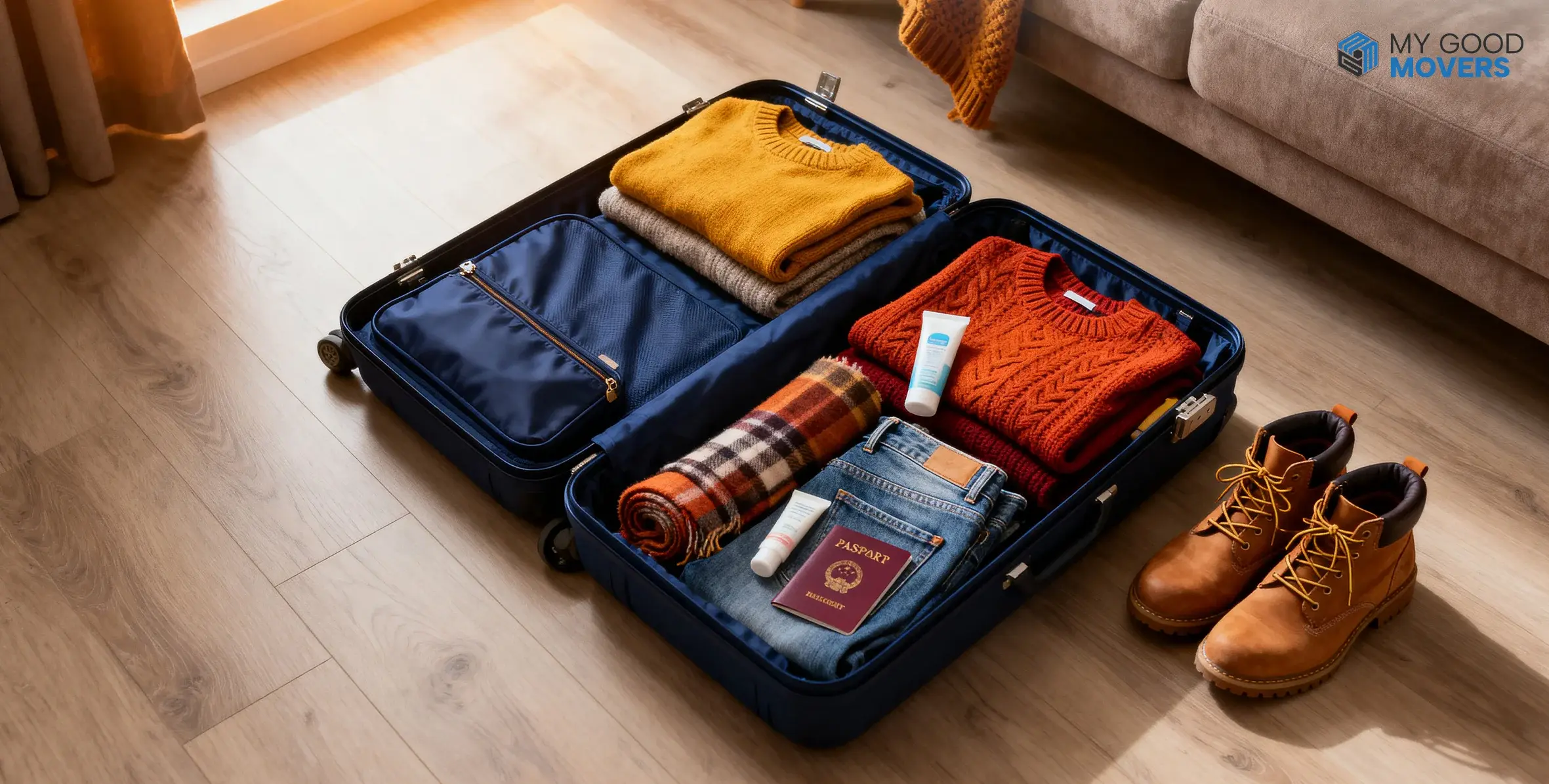
- how to Pack a Suitcase For Moving
Things to Do Before You Start Packing
Most people make the same mistake when moving. They grab a few empty boxes, start throwing things inside, and assume they are being productive.
Before you even tape your first box, there are a few things you need to handle first.
Create a Moving Timeline
Do not wait until the last week to figure everything out. Give yourself enough time to pack properly, especially if you have a full house or apartment. Start by counting backward from your moving date and break tasks into smaller goals for each week.
This is where a proper packing checklist helps more than people expect. Instead of carrying everything in your head, write down what needs to be done first, what can wait, and what should stay accessible until moving day.
Declutter Before Anything Goes Into a Box
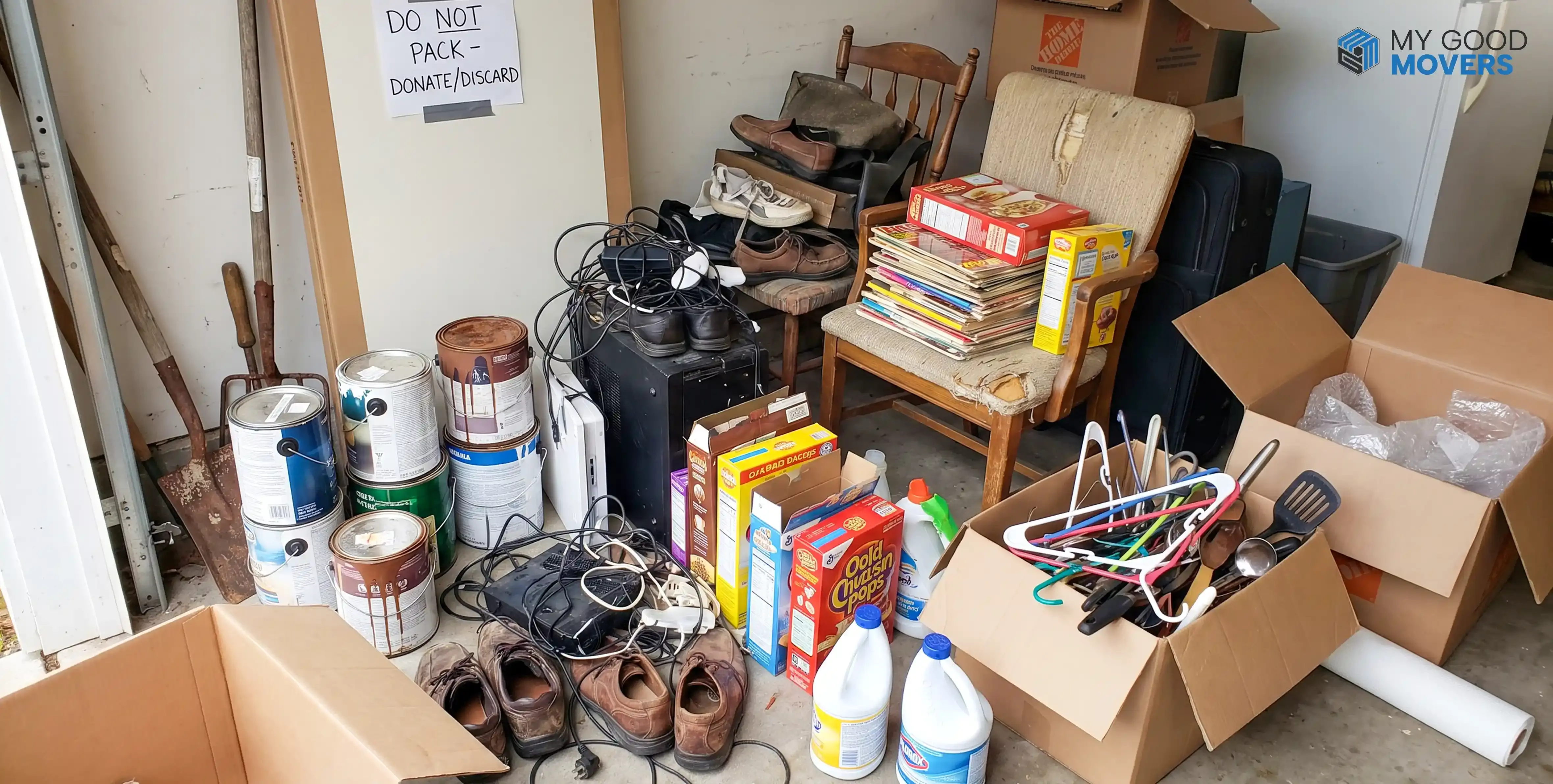
Go through your closets, drawers, storage bins, and shelves. If you have not used something in years, ask yourself if it deserves space in your new home.
The fewer unnecessary things you move, the easier the packing process becomes. It also saves money if you are hiring long distance movers.
Try to separate your items into simple categories:
- Keep
- Donate
- Sell
- Throw away
Gather the Right Packing Materials Early
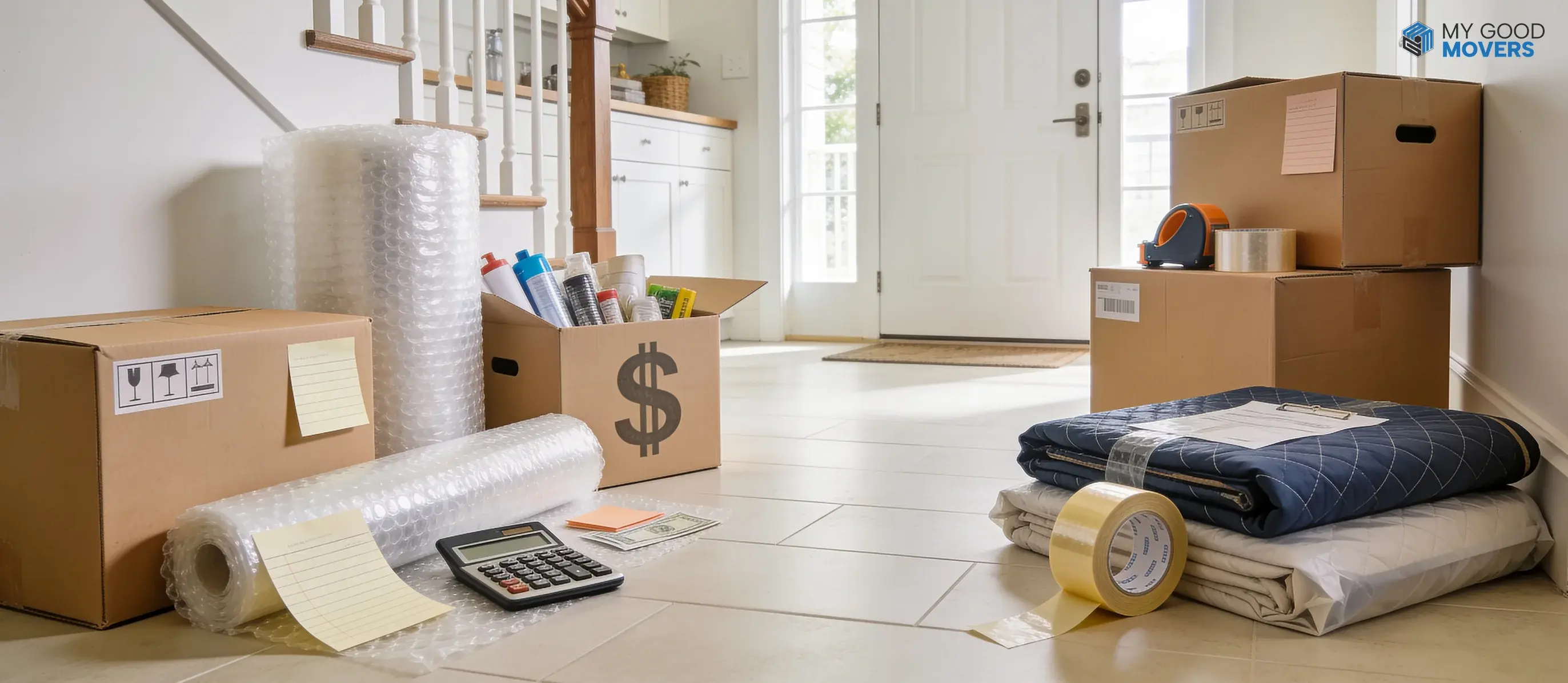
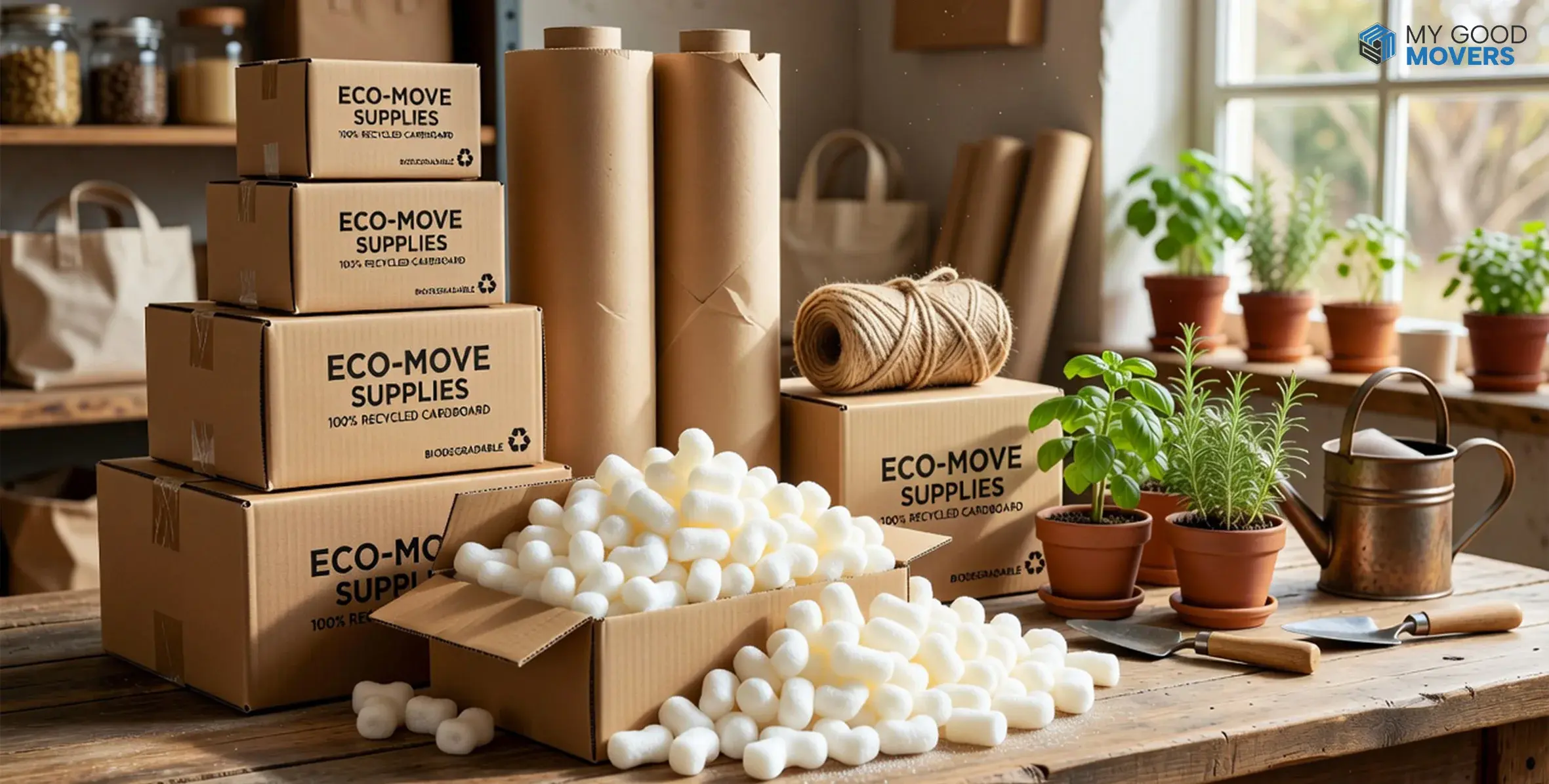
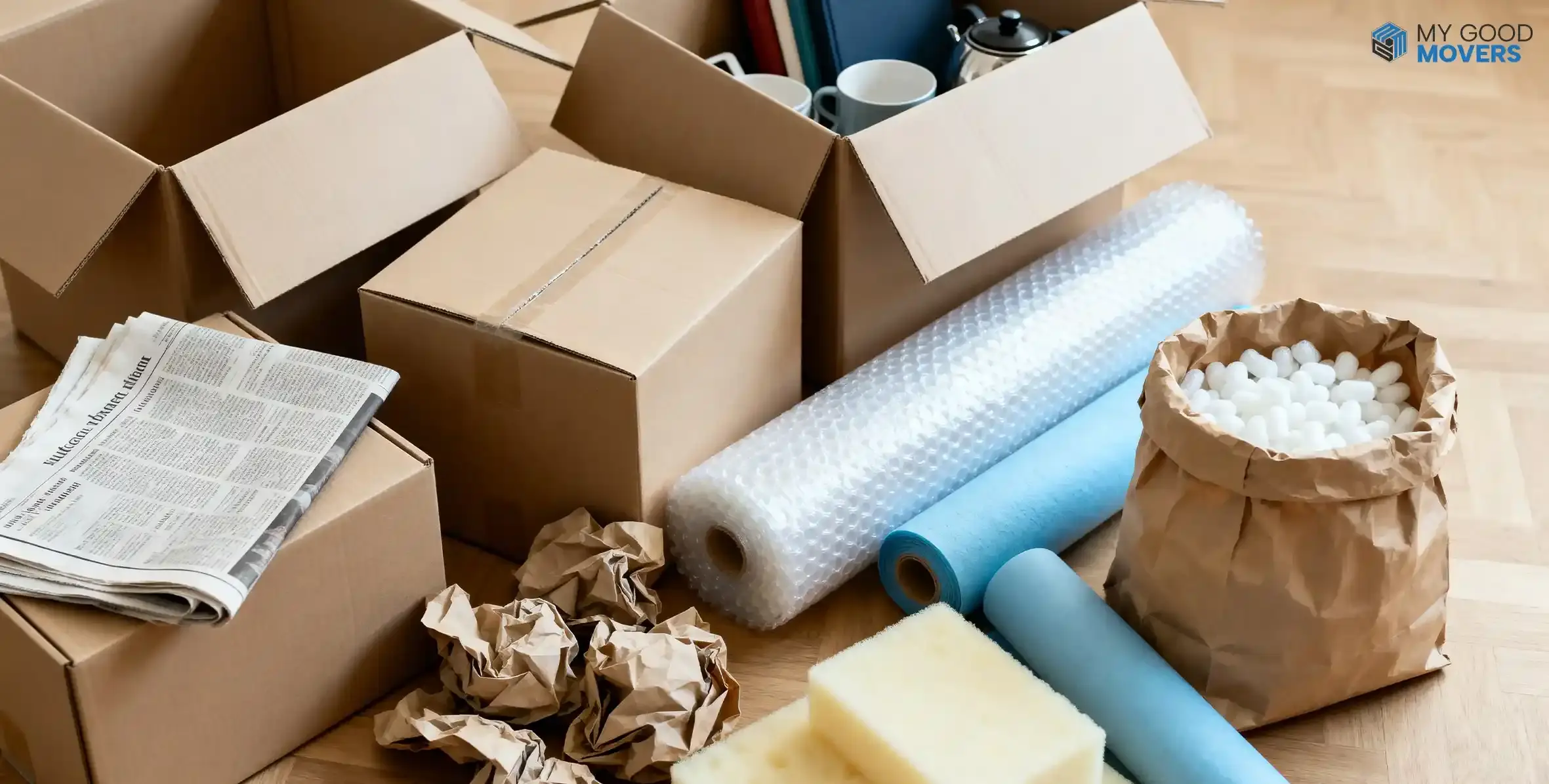
Nothing slows packing down faster than running out of supplies in the middle of the process. Before you begin, make sure you have all the essential packing supplies ready.
A smart trick many people miss is to use our moving box calculator before buying boxes. It helps you estimate how many boxes you actually need based on the size of your home.
Decide How You Want to Move
Before packing gets serious, figure out whether you are moving yourself or hiring professionals. If you are relocating far away, start researching the best movers or best interstate movers early.
Once you know how your move will happen, you can start planning your packing based on your timeline, budget, and distance.
Pack an Essentials Bag Before Anything Else
Before you start full-scale packing, prepare a personal essentials bag for each family member. Add chargers, medications, important documents, toiletries, clothes, snacks, and anything you will need during the first 24 to 48 hours after the move.
Take Photos of Valuable Setups
Before disconnecting electronics, take photos of cable setups behind TVs, computers, gaming systems, and Wi-Fi routers. It saves an unbelievable amount of frustration later.
Pre-Packing Checklist
Gather the Right Packing Supplies
Before you start packing, make sure you have all the essential packing supplies ready in one place.
Use this checklist to make sure you have everything you need before you begin.
Packing Supplies Checklist
💡How Many Boxes You May Need
The number of boxes depends on the size of your home and how many belongings you have. On average:
- Studio apartment: 10 to 20 boxes
- One-bedroom home: 20 to 40 boxes
- Two-bedroom home: 40 to 60 boxes
- Three-bedroom home: 60 to 100 boxes
Not Sure How Many Boxes You Need?
Use our moving box calculator to quickly estimate how many boxes you need for your move.
Calculate Your Moving BoxesHow to Pack for a Move: Step-by-Step
Now that you have handled the preparation work, cleared unnecessary clutter, and gathered all the important packing supplies, let's discuss how you can pack for a move step by step.
Step 1: Start With the Things You Rarely Use
The first rule of smart packing is simple. Do not start with the items you still need every day.
Begin with seasonal clothes, books, decorations, extra bedding, guest room items, storage bins, and anything sitting in the back of closets. These are the easiest things to pack because they are not part of your daily routine.
A lot of people ask what to pack first when moving, and this is the safest answer almost every time: start with low-priority items and work your way toward daily essentials.
Step 2: Pack One Room at a Time
One of the biggest mistakes people make is packing multiple rooms at once. That usually creates confusion very quickly.
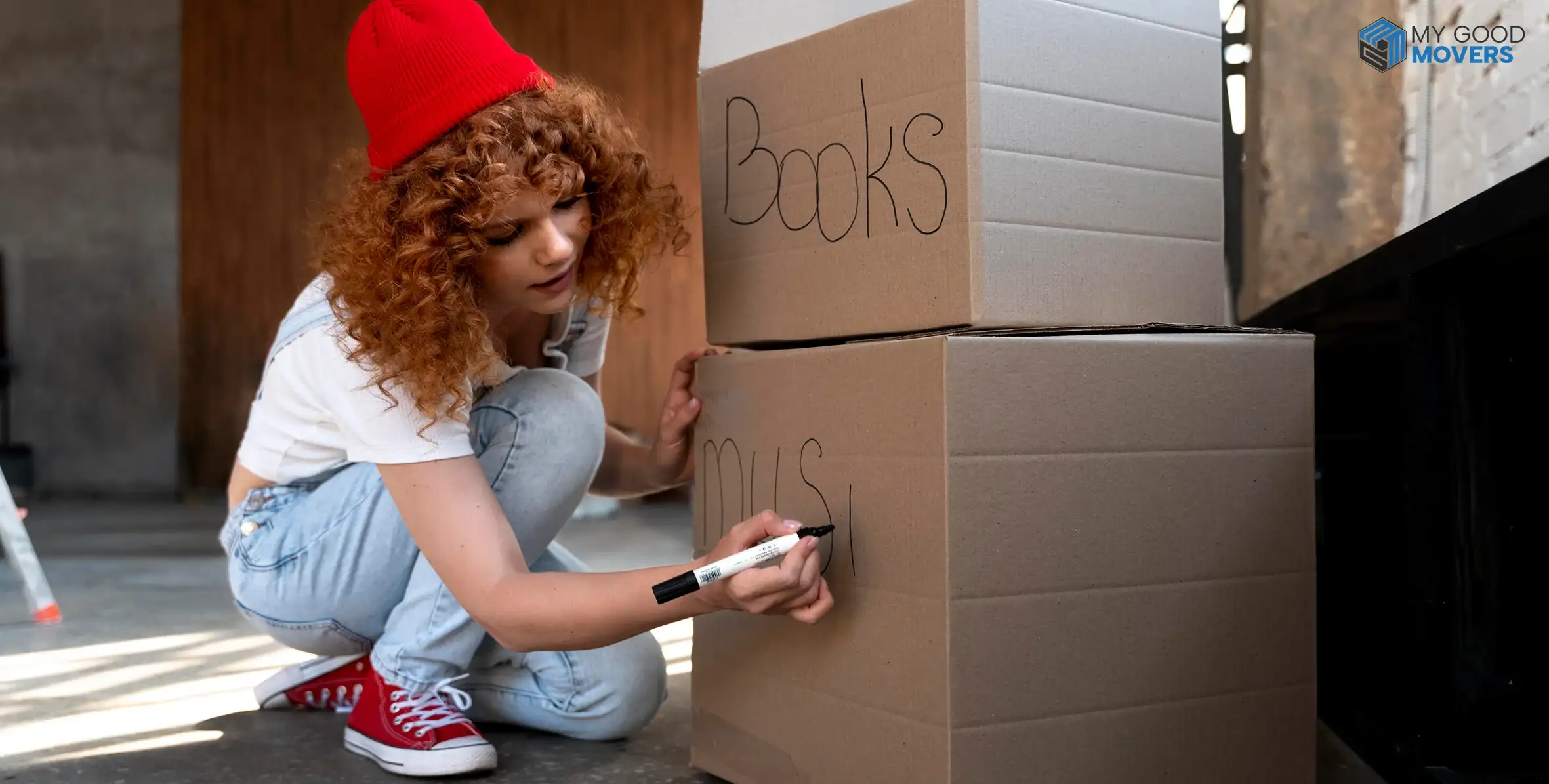
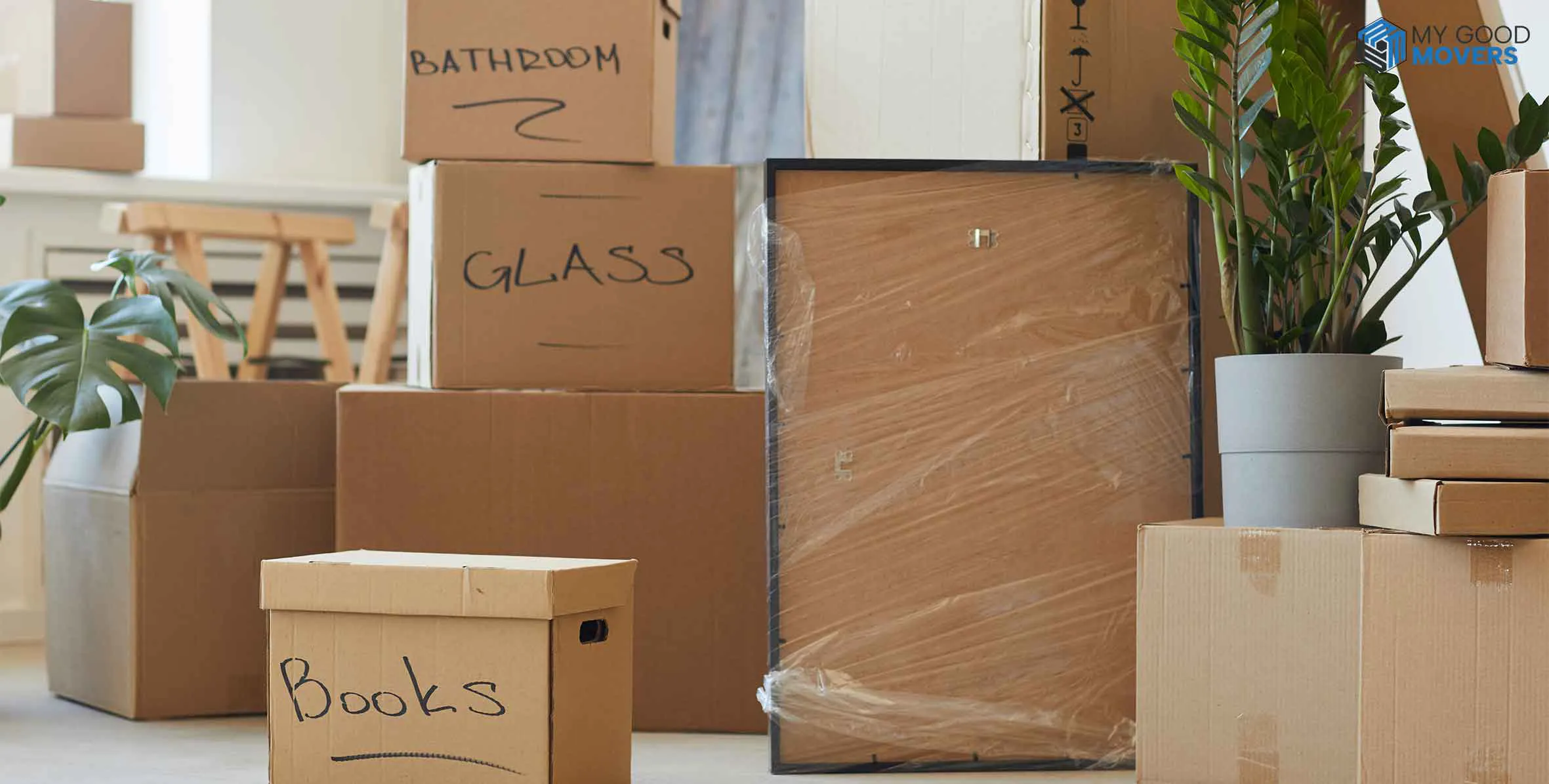
Instead, focus on room by room packing. Finish one room completely before moving to the next. Label every box clearly with:
- Room name
- Contents
- Fragile or non-fragile status
- For example:
- Kitchen | Plates and bowls | Fragile
- Bedroom | Winter clothes
- Office | Chargers and documents
This makes unpacking dramatically easier because boxes already belong to specific spaces in your new home.
Step 3: Use the Right Box Sizes for the Right Items
Heavy items should always go into smaller boxes. Lighter items can go into larger boxes.
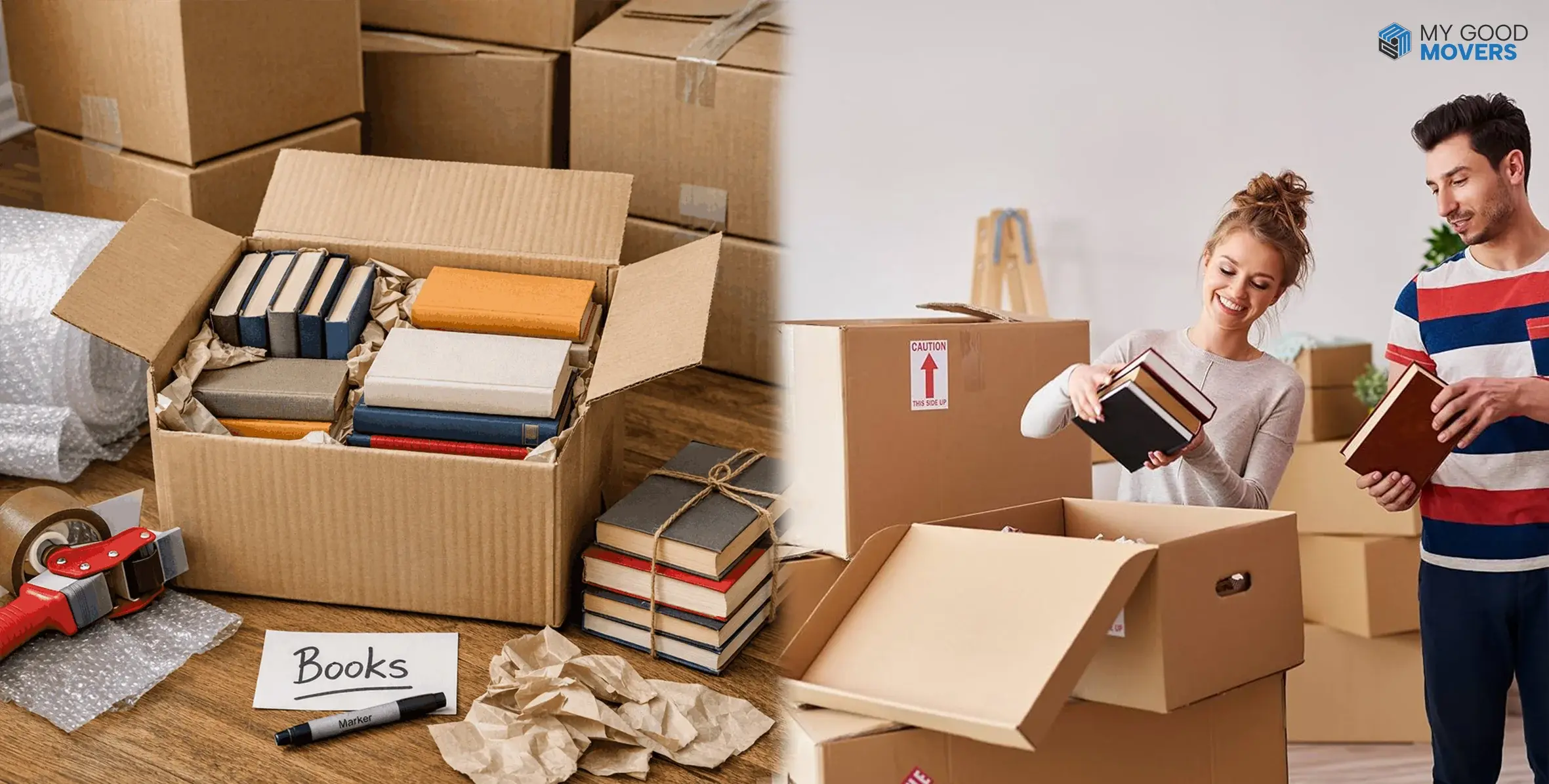
This sounds obvious, but many people still pack books into giant boxes and realize too late that they can barely lift them.
Here is a simple rule:
- Small boxes for books, tools, canned food, and heavy items
- Medium boxes for kitchenware, toys, and folded clothes
- Large boxes for pillows, blankets, and lightweight items
Step 4: Protect Fragile Items Properly
Fragile items deserve extra time and attention. Do not rush this part.
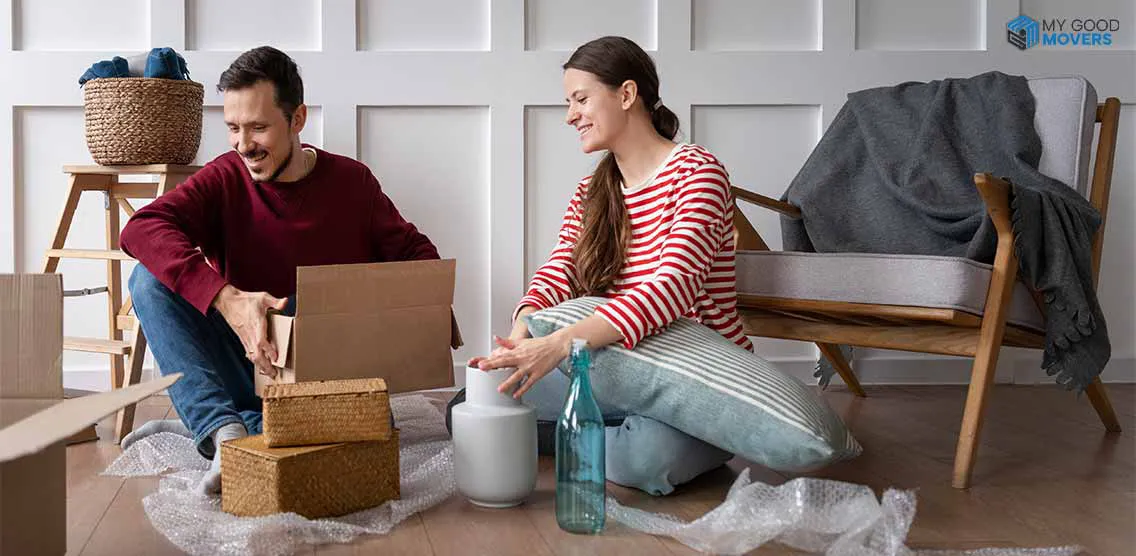
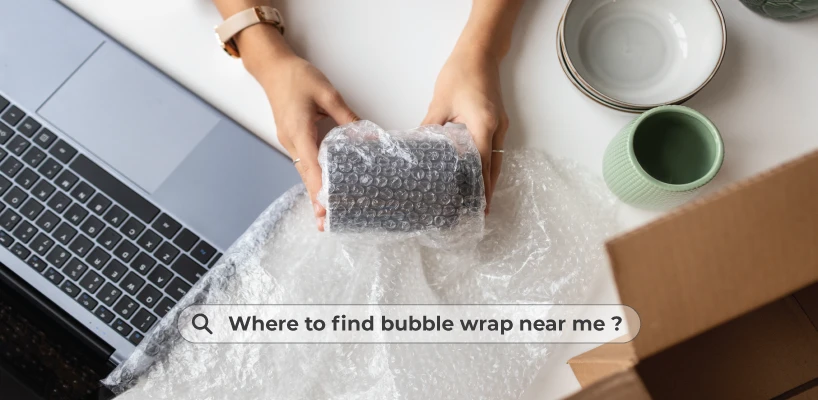
- Wrap dishes individually with packing paper or bubble wrap. Fill empty spaces inside boxes so items do not shift during movement. Glasses should stand upright instead of lying flat.
- Electronics should ideally go back into their original packaging if you still have it. If not, use blankets, towels, or bubble wrap for protection.
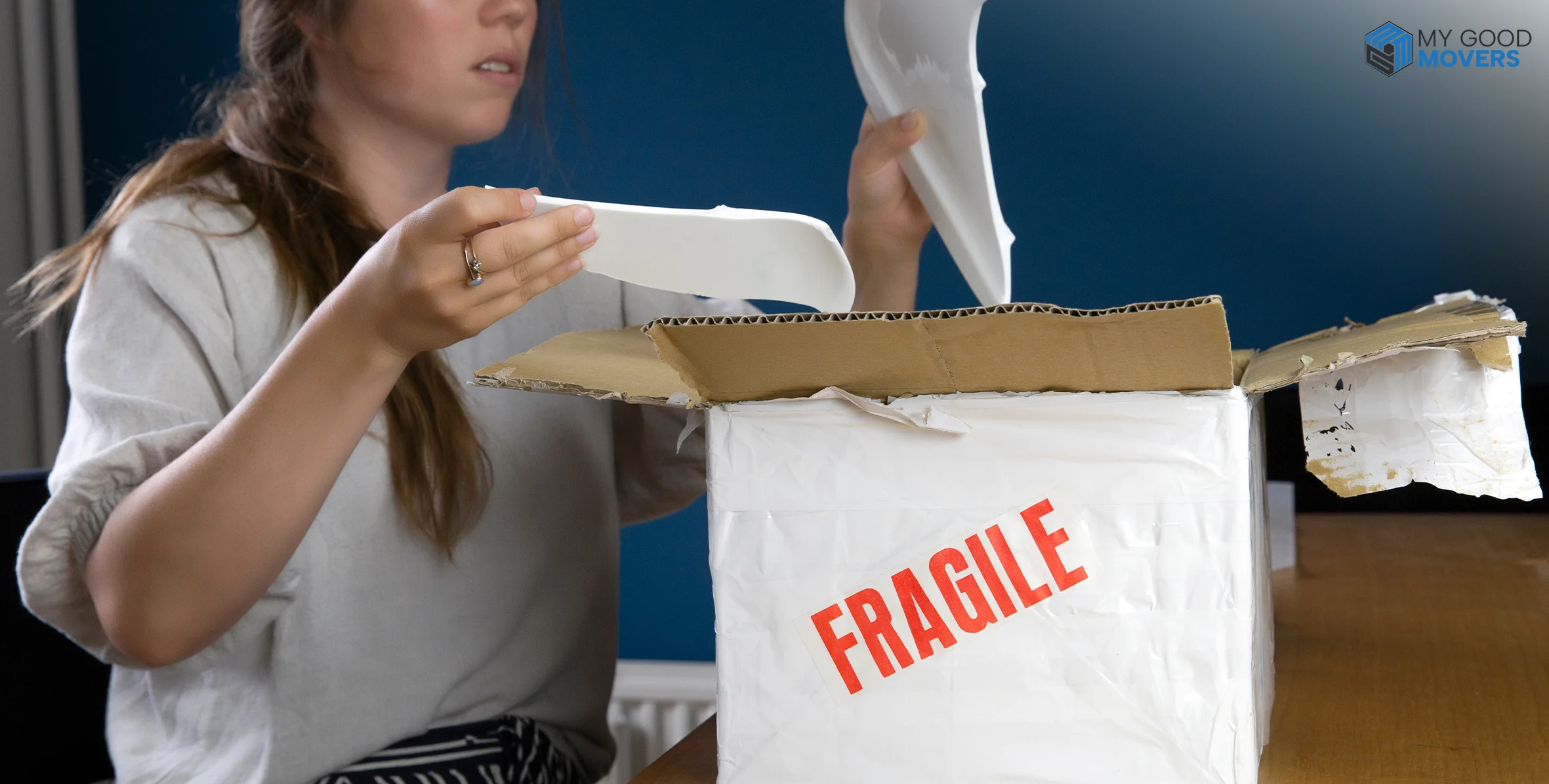
- Label these boxes clearly as "Fragile" on multiple sides.
Step 5: Do Not Overfill Boxes
People think fewer boxes mean less work. In reality, overloaded boxes create more problems.
Boxes that are too heavy:
- Break more easily
- Are harder to carry
- Increase the risk of injury
- Damage items underneath them
Try to keep each box manageable enough to lift comfortably without struggling.
Step 6: Keep Important Documents Separate
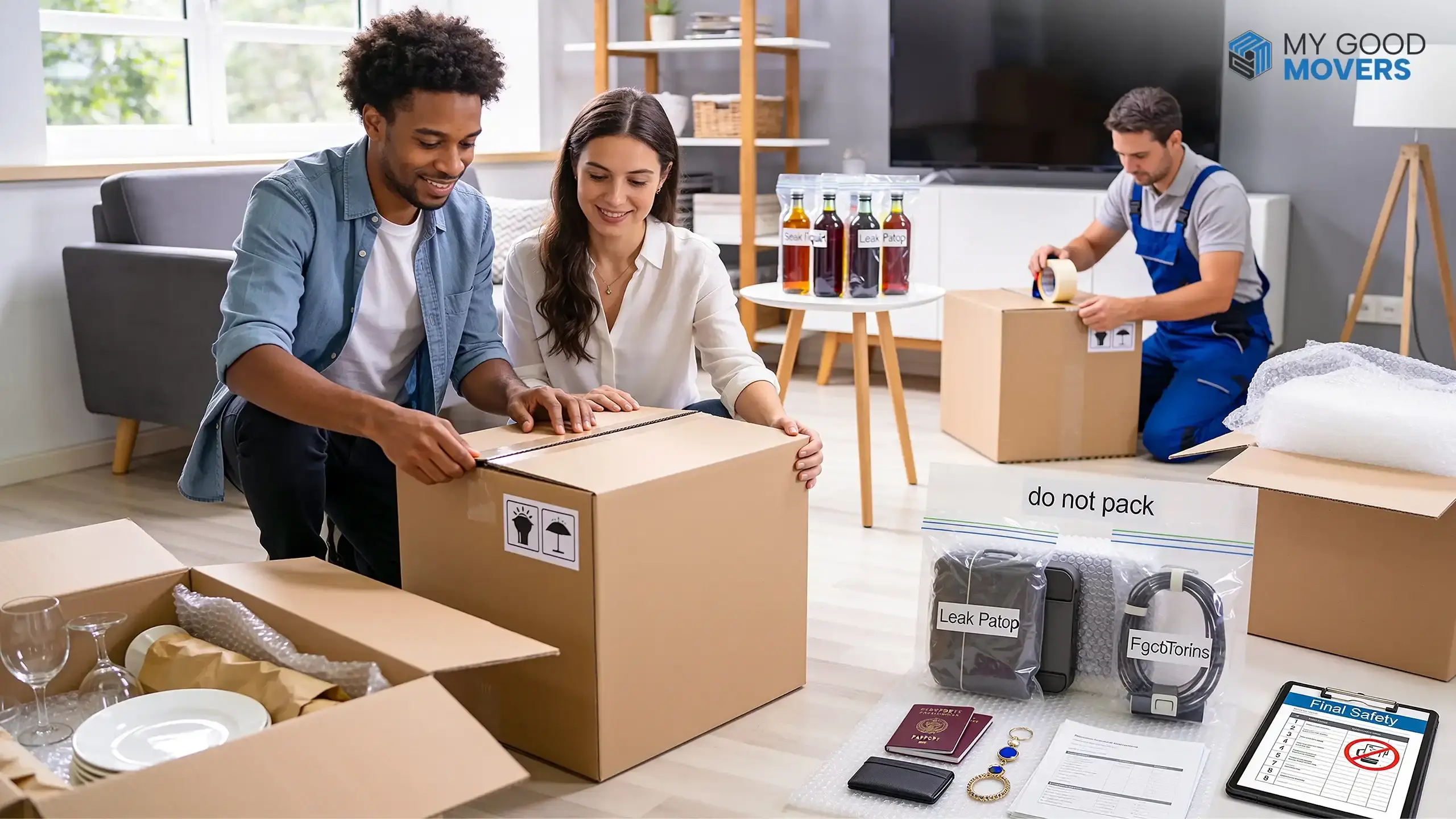
Never pack passports, IDs, financial papers, medical records, jewelry, or valuables inside moving truck boxes.
Keep these items with you in a personal bag or secure folder.
The same goes for:
- House keys
- Lease agreements
- Moving contracts
- Chargers
- Medications
Step 7: Create an Essentials Box for the First Night
By this point, most of your home will probably feel upside down. That is normal.
Before the final moving day arrives, pack one clearly labeled essentials box with things you will immediately need after arriving at your new place.
Step 8: Label Everything Clearly
Do not rely on memory. After packing dozens of boxes, they all start looking the same.
Label every box on multiple sides so you can identify it quickly, even when boxes are stacked.
Good labels save hours during unpacking.
You can even use color-coded stickers for different rooms:
- Blue for kitchen
- Green for bedroom
- Yellow for bathroom
Step 9: Leave Daily Essentials for Last
The final things you should pack are the items you still use every single day.
That includes:
- Daily clothes
- Coffee maker
- Basic cookware
- Toothbrush
- Chargers
- Work equipment
- Pet supplies
This keeps your normal routine functional until the actual moving day arrives.
When people search for how to pack for a move, they often expect complicated tricks, but the truth is that good packing mostly comes down to order, timing, and consistency.
Step 10: Do a Final Walkthrough Before Moving Day
Before closing the door for the last time, walk through every room carefully.
Check:
- Cabinets
- Closets
- Drawers
- Garage shelves
- Bathroom storage
- Laundry area
How to Pack Room by Room
One of the smartest ways to stay organized during a move is to follow a proper room by room packing strategy.
How to Pack the Kitchen
The kitchen is usually the most time-consuming room because it contains fragile items, heavy cookware, appliances, and food products all in one space.
🍽️ Dishes & Glassware
- Use strong dish pack boxes for fragile items
- Wrap every plate, bowl, and glass individually
- Pack plates vertically instead of stacking them flat
- Place heavier dishes at the bottom of the box
- Fill empty gaps with packing paper or towels
- Clearly label boxes as "FRAGILE – KITCHEN"
🍳 Pots, Pans & Appliances
- Nest pots and pans together to save space
- Place soft towels between stacked cookware
- Remove glass lids and wrap them separately
- Keep appliance cords tied with their appliances
- Pack small appliances in original boxes if possible
- Tape loose parts securely before boxing
🥫 Pantry Items
- Throw away expired food before packing
- Pack canned goods in smaller, sturdy boxes
- Seal opened food items in zip bags
- Use up frozen and refrigerated items before moving day
- Avoid packing anything that can leak or spoil easily
⚠️ Kitchen Packing Mistakes to Avoid
- ❌ Overloading boxes until they become too heavy
- ❌ Packing dishes without individual wrapping
- ❌ Leaving empty spaces inside fragile boxes
- ❌ Forgetting to defrost and empty the refrigerator
- ❌ Mixing cleaning supplies with food items
How to Pack the Bedroom
Bedrooms are easier to pack compared to kitchens, but staying organized matters because this is where most personal and daily-use items are stored.
👕 Clothes & Shoes
- Start with off-season clothing first
- Use wardrobe boxes for hanging clothes
- Pack shoes separately to avoid dirt transfer
- Use suitcases for heavier clothes and jackets
- Keep a few days of clothing outside for daily use
🛏️ Bedding & Linens
- Fold blankets and comforters neatly in large boxes
- Use vacuum storage bags to save space
- Pack pillowcases and bedsheets together by set
- Keep one bedding set accessible for the first night
🎒 Personal Items & Accessories
- Store jewelry in small labeled containers
- Keep passports, IDs, and valuables with you
- Use zip bags for chargers and small accessories
- Label boxes clearly by category and room
⚠️ Bedroom Packing Mistakes to Avoid
- ❌ Packing daily essentials too early
- ❌ Mixing valuables into regular moving boxes
- ❌ Forgetting to label boxes properly
- ❌ Overstuffing clothing boxes until they tear
How to Pack the Living Room
The living room often contains electronics, décor, books, and expensive furniture that require extra protection during the move.
📺 Electronics
- Take photos of cable setups before unplugging
- Label every wire and cable clearly
- Use original boxes for TVs and electronics if available
- Wrap screens with soft blankets or bubble wrap
- Keep remotes and accessories in labeled bags
🖼️ Décor & Fragile Items
- Wrap photo frames and decorations individually
- Use bubble wrap for lamps and glass pieces
- Pack books in smaller boxes to control weight
- Fill empty spaces inside boxes to prevent shifting
🛋️ Furniture
- Remove detachable furniture parts if possible
- Store screws and bolts in labeled zip bags
- Protect furniture corners with padding or blankets
- Stretch wrap drawers and cabinet doors securely
⚠️ Living Room Packing Mistakes to Avoid
- ❌ Leaving cables loose and unlabeled
- ❌ Packing heavy books in large boxes
- ❌ Forgetting to protect TV screens properly
- ❌ Losing small furniture hardware during disassembly
How to Pack the Bathroom
Bathrooms are smaller, but they contain liquids, toiletries, medications, and daily-use items that can quickly become messy during a move.
🧴 Toiletries & Daily Essentials
- Pack backup toiletries first
- Keep daily-use items outside until the final day
- Place liquids inside sealed plastic bags
- Use small containers to prevent leaks during transport
🧼 Towels & Cleaning Supplies
- Pack towels in medium-sized boxes or bags
- Keep basic cleaning supplies accessible
- Separate chemical cleaners from personal items
- Use towels as padding for fragile bathroom items
💊 Medicines & Personal Care
- Keep medications with you instead of moving boxes
- Dispose of expired products before packing
- Store important prescriptions separately
- Pack first-aid items in your essentials bag
⚠️ Bathroom Packing Mistakes to Avoid
- ❌ Packing wet items that can create odor or mold
- ❌ Forgetting to seal liquid containers properly
- ❌ Packing medications inside the moving truck
- ❌ Emptying the bathroom too early before moving day
What Not to Pack in a Moving Truck
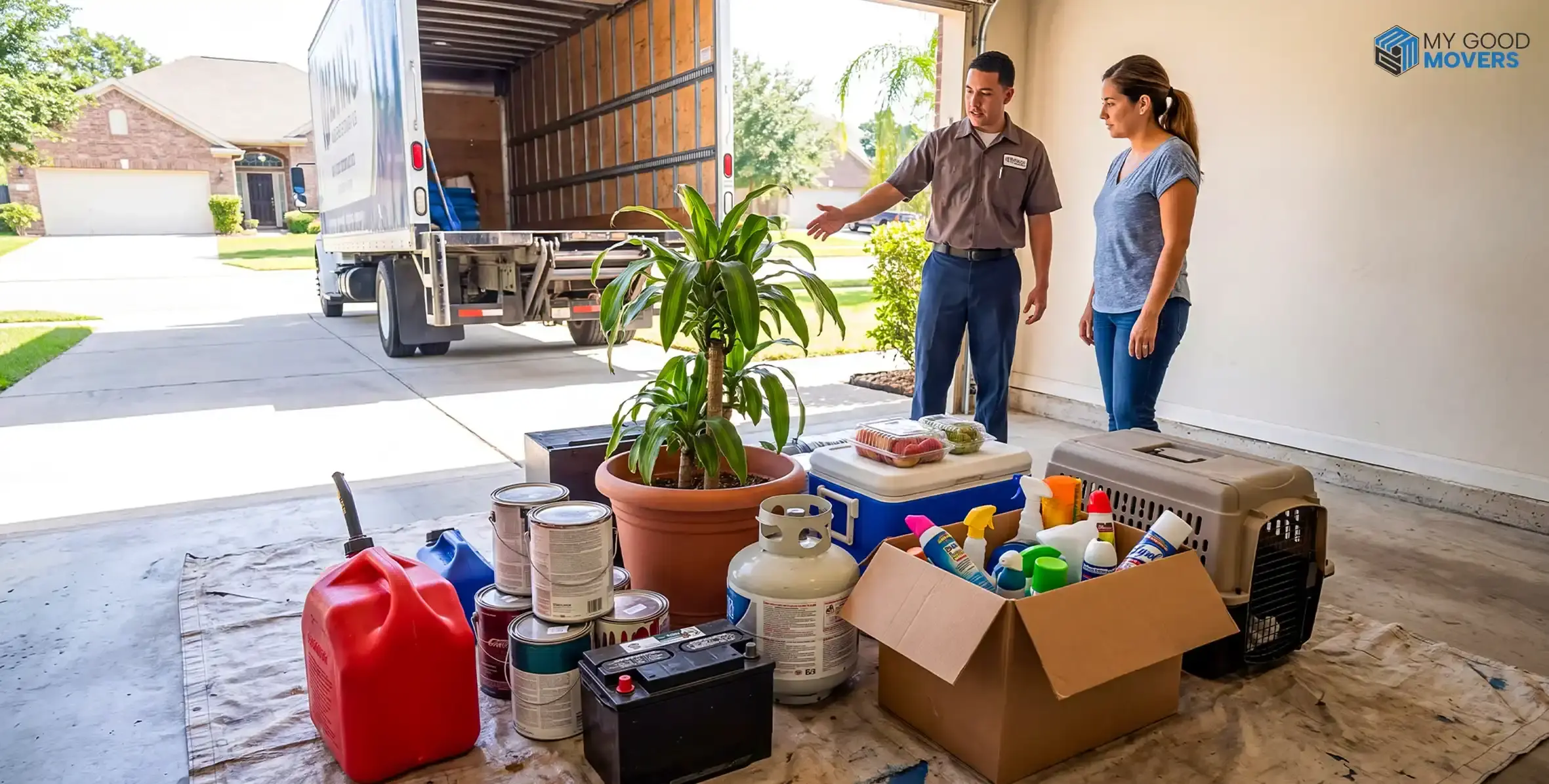
Some items should never go inside a moving truck, no matter how organized your packing is.
Keep these items with you instead of loading them with the rest of your belongings.
- Important documents
- Passports and IDs
- Cash and jewelry
- Medications
- Chargers and personal electronics
- Laptops
- Flammable items
- Propane tanks
- Gasoline and fuel containers
- Fireworks and explosives
- Paints and chemicals
- Cleaning chemicals and bleach
- Perishable food
- Frozen items
- Plants
- Pet supplies and pet food
- Daily essentials bag
- Keys and house documents
- Batteries
- Aerosol cans
- Liquor and alcohol bottles
- Ammunition or firearms
- Emergency kits
- Expensive watches or collectibles
Common Packing Mistakes to Avoid
Here are some of the most common mistakes people make while packing and why you should avoid them.
Waiting Until the Last Minute
Packing always takes longer than expected. When people delay packing, they usually end up throwing random items into boxes without organization.
Not Decluttering Before Packing
Packing items you no longer use only creates extra work. It increases the number of boxes, adds moving weight, and wastes time unpacking things you probably did not need in the first place.
Using the Wrong Box Sizes
Large boxes filled with heavy items become difficult to carry and can easily break. Small boxes work better for books, tools, and heavy kitchen items, while larger boxes should hold lighter belongings.
Forgetting to Label Boxes
Unlabeled boxes create chaos during unpacking. You may know what you packed today, but after dozens of boxes, everything starts looking the same. Clear labels save time and frustration later.
Leaving Empty Spaces Inside Boxes
Items shift during transportation if boxes are not packed tightly enough. Empty spaces increase the chances of fragile items breaking while the truck is moving.
Overpacking Boxes
Boxes that are too heavy are harder to carry and more likely to tear or collapse. Overpacked boxes also increase the risk of damaging the items inside them.