



Take care of your belongings, and they will take care of your memories. That idea feels simple until moving day arrives.
Moving is not just about shifting things from one place to another. It is about handling the items that hold value beyond money. When relocation begins, the real concern is not packing boxes. It is how to protect furniture, so everything reaches the new place in the same condition.
Studies show that nearly 40 to 50 percent of people experience some form of damage during a move. Most of this damage happens not because moving is difficult, but because people underestimate the process.
They skip steps or miss small details like using proper furniture pads. A single mistake can turn a careful move into an expensive repair.
Furniture damage is rarely random. It happens due to friction, pressure, moisture, poor handling, or lack of preparation. Once you understand these risks, you can control them.
Let’s discuss the steps how to protect furniture and ways to prevent damage during the move.
What Furniture Protection Covers (and Why It Matters)
When people think about moving damage, they usually imagine something “breaking.” But in reality, most problems are smaller and much more common.
Let’s talk about what furniture protection really covers and why the level of protection matters depending on your move.
Common Types of Moving Damage
Furniture does not get damaged only by falling. Most damage happens through everyday movement, pressure, and exposure during the process.
Here are the most common types of moving damage you should expect and prevent:
- Surface scratches and scuffs: These usually happen when furniture rubs against walls, floors, or other items inside the truck. Wooden tables, cabinets, and polished surfaces are especially vulnerable.
- Dents and structural damage: Heavy pressure, improper lifting, or poor stacking can weaken joints, crack frames, or dent surfaces. This happens when furniture is not secured properly.
- Moisture and water damage: Rain, humidity, or temperature changes can cause wood to swell, fabric to smell, and metal to rust. Without proper wrapping, furniture absorbs moisture quickly.
- Torn upholstery and fabric damage: Sofas and chairs can tear when dragged through tight spaces or when sharp edges press against them. Use a proper sofa protector to prevent this kind of damage.
- Loose parts and hardware loss: Shelves, legs, and screws go missing or get damaged if not secured properly.
What Level of Protection You Need
Not every move needs the same level of preparation. The distance, duration, and environment of your move decide how much protection your furniture requires.
For local moves (same city or short distance):
- Basic wrapping and furniture pads are usually enough.
- Focus on preventing scratches and dents during loading and unloading.
- Simple steps like cleaning surfaces and securing drawers can make a big difference.
For long-distance or interstate moves:
- You need stronger preparation because items stay in transit longer.
- Temperature changes, vibration, and shifting inside the truck increase the risk.
- You should carefully prepare furniture for long-distance moving by using layered wrapping, moisture protection, and secure tie-downs, especially if you plan to move furniture to another state.
For storage during a move:
- Protection must focus on time and environment.
- Furniture needs breathable covers, moisture control, and proper spacing.
- Poor storage protection can cause mold, warping, or permanent damage, even if transport was safe.
Supplies and Tools Needed to Protect Furniture
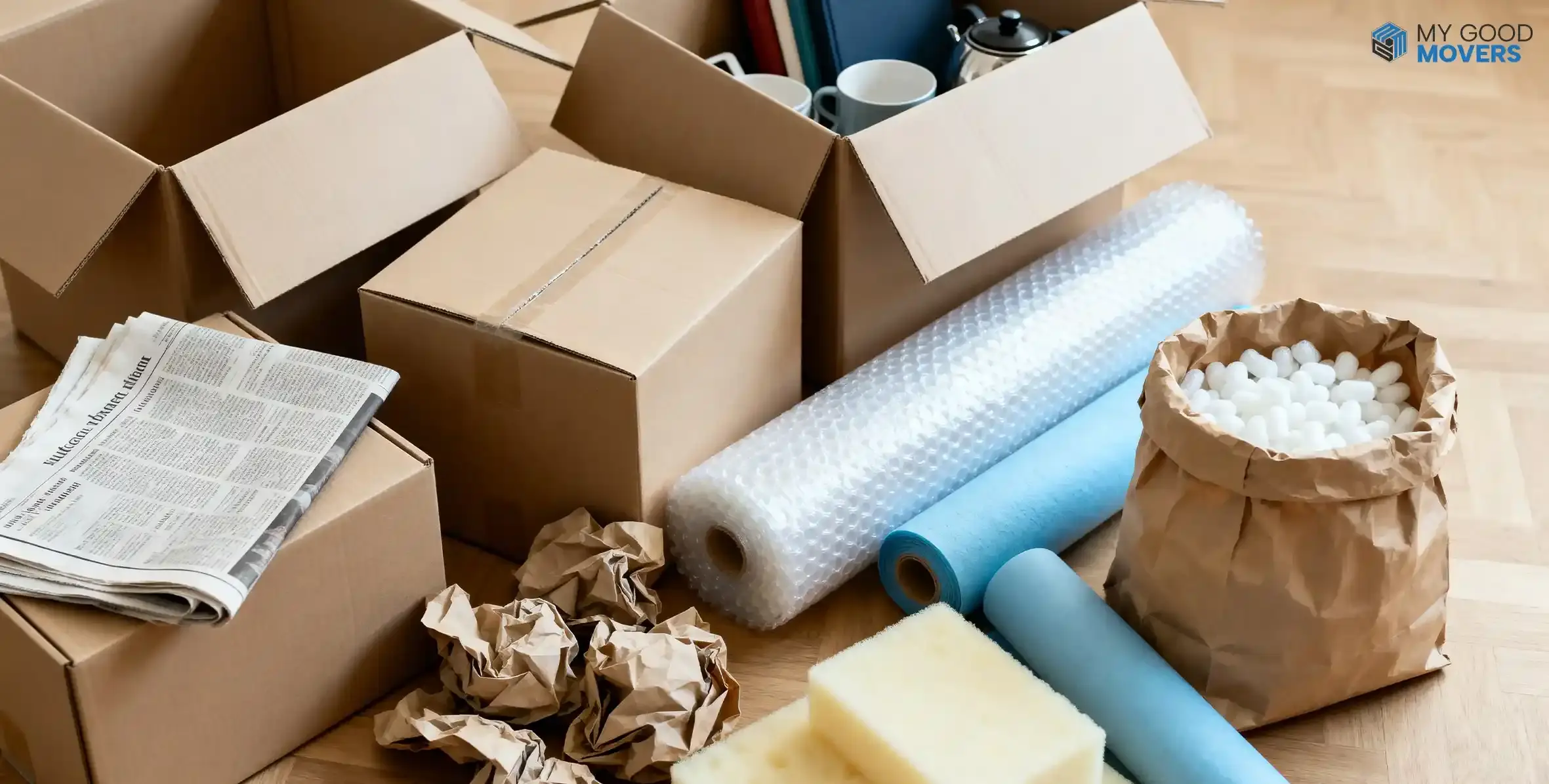
Before you start packing, the right supplies make the entire process easier and safer. Below are some supplies and tools that you will need while protecting your furniture.
| Supply / Tool | Where It Is Used |
|---|---|
| Furniture pads or moving blankets | Wooden furniture, tables, cabinets, appliances, and large items in the truck |
| Bubble wrap | Glass surfaces, mirrors, delicate furniture parts, and edges |
| Stretch wrap (plastic wrap) | Sofas, upholstered chairs, drawers, and cabinet doors |
| Packing tape | Securing bubble wrap, foam, and protective covers |
| Foam sheets or foam rolls | Corners, edges, glass panels, polished surfaces |
| Corner guards | Table edges, cabinets, mirrors, frames |
| Mattress bags or furniture covers | Mattresses, couches, fabric furniture |
| Cardboard sheets | Glass tabletops, mirrors, and large flat surfaces |
| Moving straps or lifting straps | Heavy furniture like wardrobes, sofas, and appliances |
| Furniture sliders | Heavy items on floors |
| Dollies or hand trucks | Large and heavy furniture pieces |
| Tool kit (screwdrivers, wrench, Allen keys) | Beds, tables, modular furniture |
| Sealable plastic bags or small containers | Screws, bolts, small hardware |
| Cleaning cloths and mild cleaners | All furniture surfaces before packing |
| Moisture absorbers or silica packs | Storage boxes, wrapped furniture for long moves |
| Rope or tie-down straps | Inside moving truck |
How to Disassemble Furniture Safely
Disassembling furniture is one of the smartest ways to protect furniture during a move. Large pieces are harder to carry, easier to damage, and more likely to hit walls or doorways. When you take them apart properly, they become lighter and much easier to pack.
Check What Should Be Disassembled
Not every piece needs to come apart. Focus on furniture that is large, heavy, or has removable parts.
Usually, you should disassemble:
- Bed frames and headboards
- Dining tables (especially removable legs)
- Sofas with detachable sections
- Shelving units and cabinets
- Desks with removable parts
Take Photos Before You Start
Before removing anything, take clear photos from different angles. These pictures will guide you during reassembly and save time later.
Focus on:
- How parts connect
- Where screws or bolts are placed
- Direction of panels or sections
For Example: Take a photo of your bed frame joints before removing bolts so you remember the exact order during reassembly.
Use the Right Tools
Using the wrong tools can strip screws or damage furniture surfaces. A basic tool kit usually includes:
- Screwdrivers (flathead and Phillips)
- Allen keys
- Wrench or pliers
Turn screws slowly and carefully. If something does not loosen easily, do not force it. Check if another fastener is holding the part.
Remove Parts
Take furniture apart piece by piece instead of removing everything at once. Place each removed part in a safe area.
Follow this order when possible:
- Remove loose items like cushions, shelves, or glass panels.
- Detach removable sections such as legs or arms.
- Disassemble the main structure if needed.
Store Screws and Hardware Safely
Small parts are the easiest things to lose during moving. Keep them organized.
- Put screws and bolts in sealable plastic bags.
- Label each bag with the furniture name.
- Tape the bag securely to the furniture piece or store it in a labeled box.
Protect Each Disassembled Part
Once furniture is taken apart, wrap each component separately to prevent scratches and pressure damage.
- Wrap legs and panels with padding or furniture pads.
- Cover delicate surfaces before stacking.
- Keep heavy pieces separate from fragile ones.
How to Protect Furniture When Moving
Here are the practical steps you can follow in order to protect your furniture during the move in a proper way.
Step 1: Start by clearing and cleaning the furniture
Before you wrap anything, empty it. Drawers, cabinets, shelves, side tables, TV units, everything. Weight inside furniture makes it harder to carry and easier to damage. It also causes drawers to slide and frames to loosen during travel.
Also, take a few minutes to clean furniture before moving.
Supplies you will use here:
- Microfiber cloths
- Mild cleaner suitable for the material
- Small vacuum or brush for corners and crevices
Step 2: Disassemble what you can,
You already know how to disassemble safely. Now apply it strategically. Remove legs from tables, detach headboards, take shelves out, and separate sectional sofa parts.
Supplies you will use here:
- Screwdrivers, Allen keys, wrench
- Sealable plastic bags for screws and bolts
- Painter’s tape or labels for marking parts
- Phone camera for quick reference photos
Step 3: Protect weak points first
Furniture rarely gets damaged in the middle. It gets damaged at corners, edges, legs, and anything that sticks out. So protect those areas before you wrap the whole piece.
Supplies you will use here:
- Corner guards
- Foam sheets or foam roll
- Bubble wrap for curved or fragile edges
- Packing tape (used carefully on protective layers, not on furniture surfaces)
Step 4: Add a cushioning layer with pads or blankets
Now you want a thick barrier between your furniture and everything it might bump into. Use furniture pads to protect against scratches, dents, and pressure marks when items are stacked or strapped.
Supplies you will use here:
- Furniture pads or moving blankets
- Stretch wrap to hold the pads in place
- Optional: cardboard sheets for flat surfaces that need rigidity
Wrap the pad around the piece like you are dressing it for a rough trip, then secure it with stretch wrap. Avoid taping directly onto wood, leather, or fabric.
Step 5: Wrap based on material
This is where most people go wrong because they wrap everything the same way. Different furniture needs different protection.
For wood and polished surfaces:
Start with a soft layer (pad/blanket), then secure it with stretch wrap. If the piece is high-gloss or easily marked, add foam sheets before the pads.
This approach helps protect wooden furniture during a move because wood finishes can scratch just by rubbing against fabric during transit.
Supplies:
- Foam sheets
- Moving blankets
- Stretch wrap
For upholstered furniture (sofas, chairs):
After padding, add a protective cover or wrap layer. If you have one, use a proper sofa protector or a sofa/mattress bag. Stretch wrap can be used over padding, but do not wrap plastic directly onto fabric for long periods if there is any chance of moisture.
Supplies:
- Sofa cover or sofa protector
- Moving blankets
- Stretch wrap (over padding)
- Optional: plastic furniture cover for dust and rain protection
For glass tops, mirrors, and fragile parts:
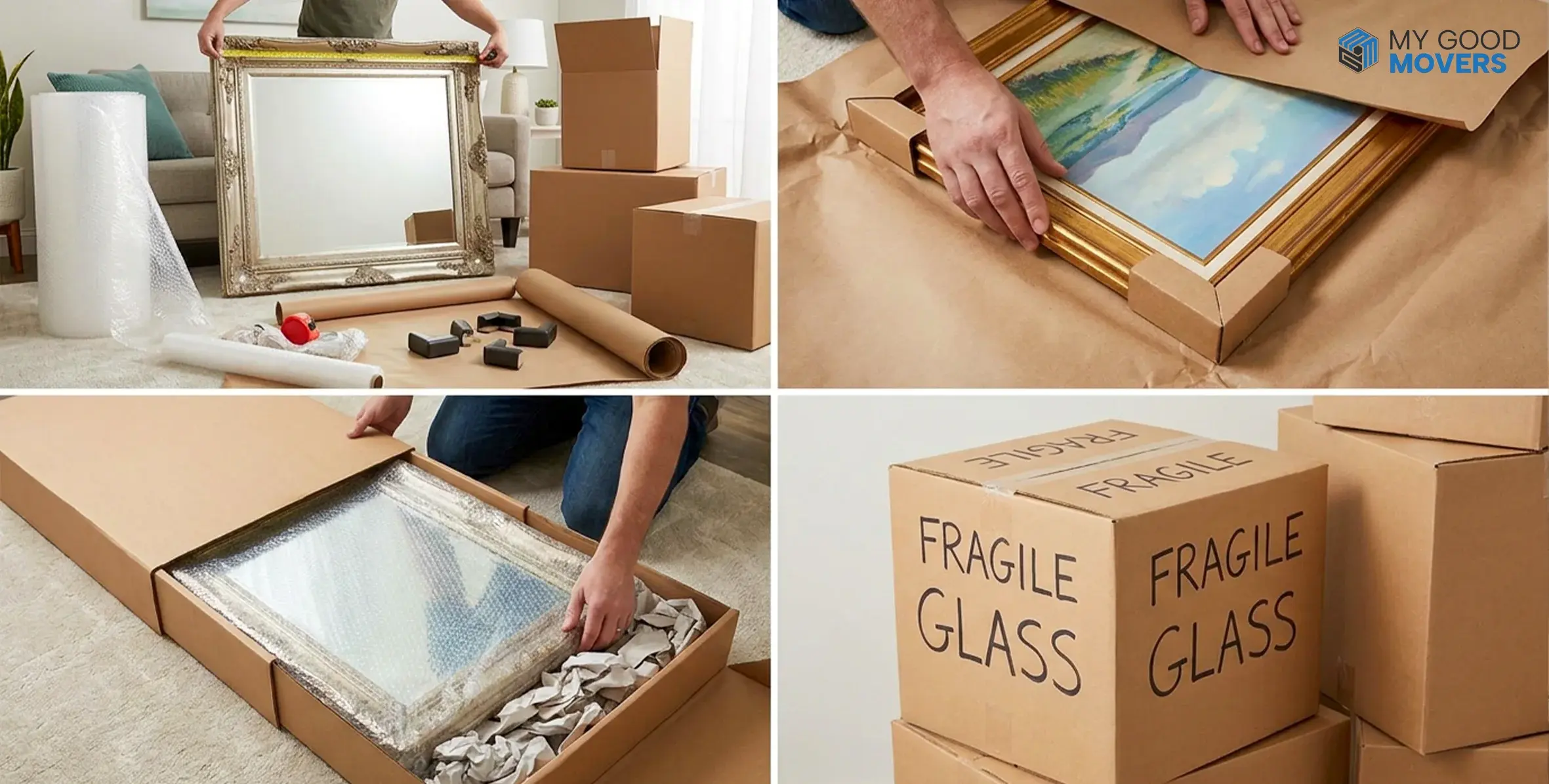
Remove glass if possible. Then protect it in layers: bubble wrap, then cardboard on both sides, then tape it securely. Mark it clearly as fragile. Keep glass upright, not flat, when possible.
Supplies:
- Bubble wrap
- Cardboard sheets
- Packing tape
- Corner protectors
Step 6: Secure drawers, doors, and moving parts
Cabinet doors and drawers love to swing open at the worst time. Secure them so they do not slide, fall out, or warp hinges.
Supplies you will use here:
- Stretch wrap to hold doors/drawers shut
- Painter’s tape for light securing on protective layers
- Small padding pieces to prevent rubbing at contact points
Try not to tape directly onto finished wood or painted surfaces. If you must use tape, place a layer of paper or cloth underneath first.
Step 7: Move the furniture correctly
Protection is not only wrapping. The way you lift and move matters just as much.
Dragging a dresser across the floor can weaken joints. Tilting a sofa through a doorway can scrape fabric.
Supplies you will use here:
- Furniture sliders for heavy pieces on floors
- Dolly/hand truck for large items
- Lifting straps for safer handling
- Gloves for grip and control
If a piece is heavy or awkward, get helpers to move furniture. A second pair of hands is cheaper than repairing a damaged item.
Step 8: Load the truck
Even perfectly wrapped pieces can get damaged if they shift during the drive.
Here’s what to do:
- Put heavy pieces on the bottom and against the truck wall
- Keep soft items as buffers between hard surfaces
- Leave no “free space” for items to slide into
- Strap everything so it cannot shift during turns
Supplies you will use here:
- Tie-down straps or ratchet straps
- Moving blankets as separators
- Optional: bungee cords for light securing (not for heavy items)
Step 9: Add extra protection for long-distance moves or bad weather
If you are planning to move furniture to another state, your furniture is dealing with longer road vibration, bigger temperature swings, and more handling at stops.
That means you should add an extra layer of security.
Prepare furniture for long-distance moving by:
- Using thicker padding layers
- Double-wrapping fragile edges
- Adding moisture control (silica packs or moisture absorbers)
- Checking straps during stops if you have access to the load
Step 10: Decide when it is smarter to hire professionals
Sometimes the best way to protect your furniture is knowing when to stop doing everything alone. If you have heavy antiques, large sectionals, tight staircases, or a long-distance timeline, professional packing and handling can reduce risk.
This is where furniture moving companies can help. They already have the right blankets, straps, and dollies, and they know how to load furniture safely.
How to Protect Wooden Furniture
Wooden furniture needs extra care because it scratches easily, reacts to moisture, and can lose its finish if handled poorly.
Here are simple and effective ways to protect wooden furniture during a move.
- Use a Soft Protective Layer First: Always start with a soft layer like foam sheets or moving blankets before wrapping. This prevents direct friction that can scratch polished or painted wood surfaces.
- Wrap With Furniture Pads or Blankets: Cover the entire piece with furniture pads or thick moving blankets. Secure them with stretch wrap to create a cushioned barrier against dents and impact during handling.
- Protect Corners and Edges Carefully: Wooden furniture usually gets damaged at corners and sharp edges. Use corner guards or bubble wrap to protect these weak points before wrapping the whole piece.
- Avoid Direct Plastic Contact on Wood: Do not place plastic wrap directly on finished wood for long periods, especially in heat. It can trap moisture and damage the finish. Always add a cloth or blanket layer underneath.
- Disassemble Removable Parts: Remove legs, shelves, or detachable panels whenever possible. Smaller parts are easier to wrap and less likely to crack or loosen during movement.
- Keep Wood Safe From Moisture and Temperature Changes: Wood expands and contracts with humidity and temperature shifts. Use breathable covers and keep items dry.
How to Protect Upholstered Furniture
Upholstered furniture needs protection from dirt, moisture, and tears. Fabric and leather can easily absorb dust, stains, and odors during a move, so the focus should be on keeping surfaces clean and dry.
- Clean the Surface Before Wrapping: Dust and dirt can settle deep into fabric during transport. Always clean furniture before moving, using a vacuum or soft brush to prevent stains.
- Use a Proper Protective Cover: Cover sofas and chairs with a breathable cover to protect against dust, moisture, and surface damage during handling.
- Add Padding With Furniture Blankets: Wrap upholstered items with furniture pads or moving blankets to prevent pressure marks, scratches, and tearing while loading and stacking.
- Secure the Wrapping With Stretch Wrap: Use stretch wrap over the padding to keep covers in place and protect furniture during transport. Avoid wrapping plastic directly on fabric if moisture is present.
- Protect Arms, Corners, and Cushions Separately: Arms and corners are more likely to tear or get compressed. Wrap them with extra padding and pack removable cushions in protective covers.
- Keep Upholstery Dry at All Times: Fabric and leather are sensitive to moisture. Protect furniture from rain, humidity, and spills during loading, unloading, and travel.
How to Protect Furniture With Drawers
Furniture with drawers, like dressers, cabinets, and side tables, needs special attention during a move. Drawers can slide out, break, or damage the frame if they are not secured properly.
- Empty the Drawers First: Remove all items from the drawers before moving. Extra weight puts pressure on the structure and can cause damage while lifting or loading.
- Remove or Secure the Drawers: If drawers come out easily, remove them and wrap them separately. If they cannot be removed, secure them using stretch wrap.
- Protect Drawer Corners and Handles: Wrap corners, handles, and edges with padding or bubble wrap. These areas hit walls or other furniture during movement.
- Wrap the Entire Piece With Padding: Cover the whole furniture piece with furniture pads or moving blankets to prevent scratches and dents. Secure the padding with stretch wrap so it stays in place during transport.
- Protect the Inside of Empty Drawers: Place a soft sheet of paper or cloth inside empty drawers to protect the interior surface from dust and friction.
How to Protect Furniture From Weather and Road Vibration
Even if your furniture is packed properly, weather and road movement can still cause damage. The goal here is to create protection against the environment, not just physical impact.
Protect Furniture From Rain and Moisture
Moisture is one of the biggest risks during a move. Rain or humidity can damage wood, cause fabric odor, and weaken materials.
To prevent this:
- Use waterproof furniture covers or plastic covers over padded furniture.
- Always keep a soft layer, like blankets, underneath plastic to avoid trapped moisture.
- Load furniture quickly during rain and avoid leaving items exposed outside.
Use Breathable Covers for Long Moves
For long travel times, fully sealed plastic can trap humidity inside. This leads to mold, swelling in wood, or unpleasant smells in upholstery.
Use breathable moving blankets or fabric covers when possible. They allow airflow while still protecting against dust and dirt.
Prevent Dust and Dirt Exposure
During transport, especially over long distances, dust can settle into surfaces and fabrics.
You can reduce this risk by:
- Wrapping furniture completely with protective covers
- Sealing exposed areas with stretch wrap
- Covering soft surfaces like sofas and mattresses fully
Secure Furniture to Reduce Road Vibration
Furniture constantly shifts during travel if not secured properly. Road vibration can loosen joints, scratch surfaces, and cause items to collide inside the truck.
To prevent movement:
- Use tie-down straps or ratchet straps to secure large items.
- Place heavy furniture against the truck walls.
- Use furniture pads between items to absorb vibration and prevent rubbing.
Add Extra Cushioning for Fragile Areas
Long drives increase pressure on weak points like legs, corners, and glass parts. Adding extra padding reduces stress caused by continuous movement.
Use foam padding, blankets, or bubble wrap on:
- Furniture legs
- Edges and corners
- Glass panels or delicate sections
Common Mistakes to Avoid When Protecting Furniture
Sometimes furniture gets damaged not because moving is difficult, but because small mistakes are ignored.
These are some common mistakes to avoid when protecting furniture:
Skipping the Cleaning Step
Many people start packing without cleaning surfaces first. Dust and dirt can scratch finishes and damage fabric during wrapping. Always clean furniture before moving so protective layers do not trap debris against the surface.
Using the Wrong Wrapping Materials
Wrapping furniture with only plastic or thin sheets does not provide real protection. Plastic without padding can trap moisture or cause surface damage. Always use soft layers like furniture pads before adding outer covers when you wrap furniture for moving.
Overlooking Corners and Edges
Most scratches and dents happen at corners, legs, and handles. Ignoring these weak points leads to visible damage even if the rest of the furniture is wrapped properly.
Not Disassembling Large Furniture
Trying to move large items without taking them apart increases the risk of breakage, wall damage, and pressure on joints. Disassembly is the best way to protect furniture when moving.
Leaving Drawers and Doors Unsecured
Loose drawers or cabinet doors can slide open during lifting or transport. This can damage both the furniture and nearby items. Always secure or remove them before moving.
Poor Loading and Lack of Securing
Even well-wrapped furniture can get damaged if it shifts inside the truck. Failing to use straps or proper placement makes it harder to protect furniture during transport.