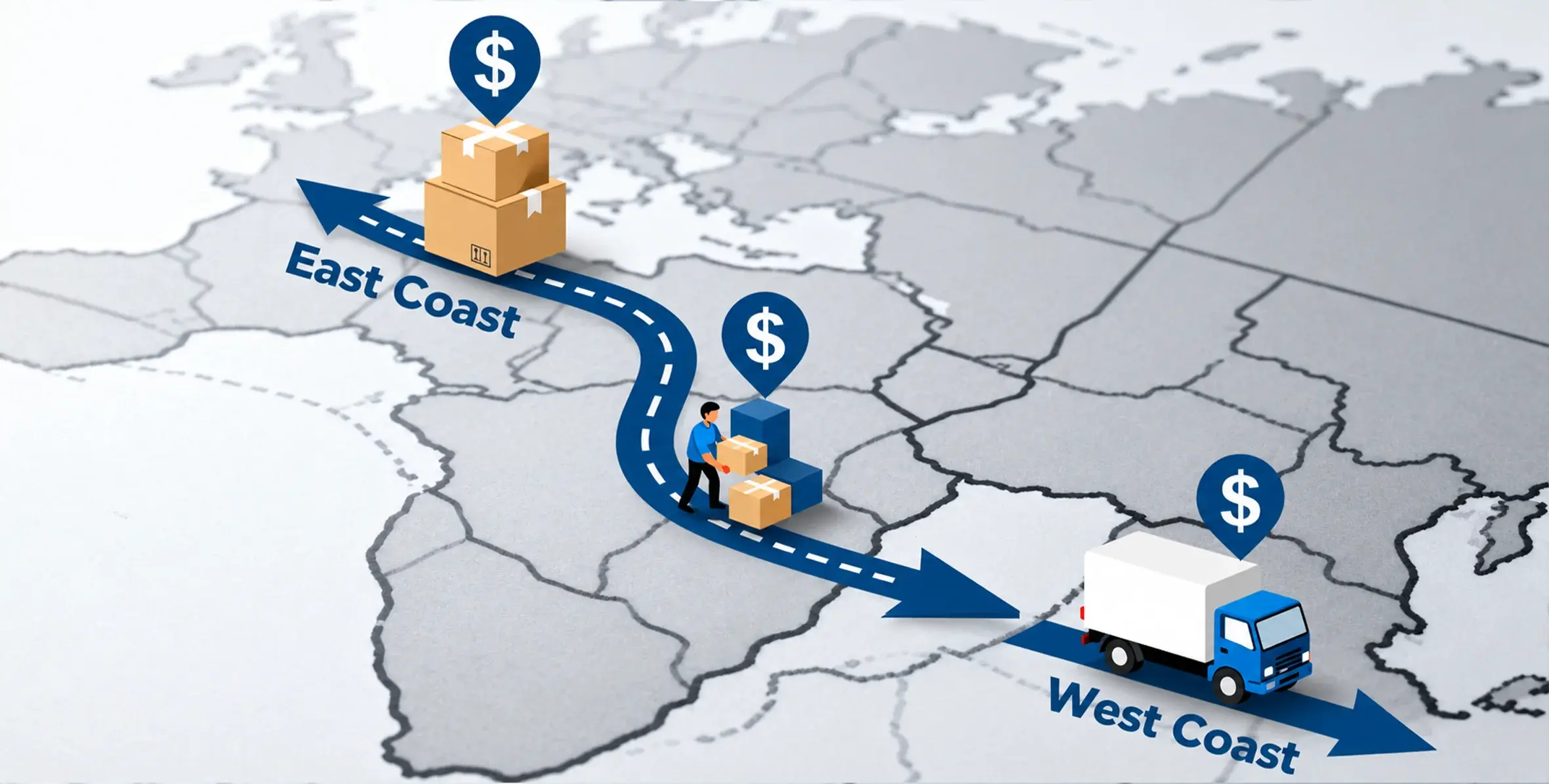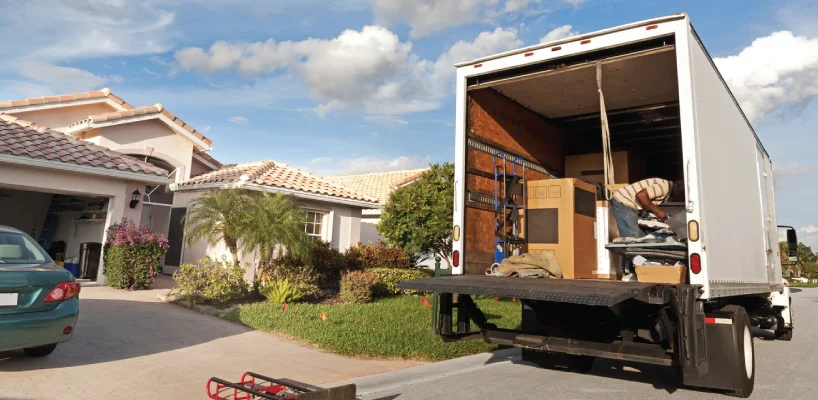



In 2026, a DIY move cost can fall between $118 and $1,073 for a local move and around $559 to $4,969 for a longer out-of-state move. Most people pay somewhere in the middle because the final cost depends on the truck, fuel, miles, and whether you need a little help with loading or unloading.
Overview
You decided to skip the movers and handle it yourself. Smart thinking. But before you assume the DIY move cost will stay low, it is important to know what actually goes into the final bill.
Because once you start adding up the truck rental, the fuel, the packing tape, and the dolly, the numbers can climb fast.
DIY moving costs in 2026 are affected by inflation, higher fuel prices, rising truck rental demand, and fees that most rental companies tuck into the fine print.
According to a survey, about 62% of Americans still go the DIY route. But many of them admit the final bill was higher than expected.
Many people choose DIY moving to save money, but hidden costs make the final bill much higher than expected.
The good part is, once you understand where the money actually goes, you can plan smarter and avoid surprises. Let’s break down all the related DIY costs in a simple way so you know exactly what to expect and make an informed decision.
Key Takeaways
- Hidden costs add 30–50% on top: Fuel, mileage fees, insurance, and supplies are not included in the base rental price.
- Off-peak rates are 15–25% cheaper: Moving between October and March saves significantly compared to peak summer rates.
- $300–$400 in fuel per 1,000 miles: A 26-ft truck gets only 8–12 mpg. Long hauls mean serious fuel bills.
- DIY is best under 50 miles: Long-distance savings shrink fast once hotel and fuel costs start adding up.
- Book 3–4 weeks in advance: Last-minute rentals often face surge pricing and limited truck availability.
When to Consider a DIY Move?
A DIY move is not for everyone, but in the right situation, it can actually save you a good amount of money and give you more control over the whole process.
Here are the situations where a DIY move makes the most sense:
- When you are moving a small apartment or studio, and your belongings can easily fit into a rental truck
- When the move is local or short-distance, usually within the same city or a nearby state
- When you have flexible time, and you are not rushing on a strict moving deadline
- When you already have help from friends or family, you don’t need paid labor
- When your furniture is lightweight and easy to handle, without heavy or specialty items
- When you want to reduce overall moving costs and are willing to handle physical effort yourself
In simple terms, DIY moving works best when the move is small, simple, and not time-sensitive. If your situation matches most of these points, then a DIY move can actually be a smart and budget-friendly choice.
What Costs Are Included in a DIY Move?
When people hear “DIY move,” they usually think of one thing: renting a truck. That is part of it, of course, but it is not the whole bill.
Your final DIY move cost is usually built in layers. Some costs show up before moving day, some hit you during the drive, and a few appear at the end when you return the truck or realize you need extra help.
A simple way to think about it is this:
“The truck gets you started, but the small add-ons decide what you actually pay.”
Here are the main costs you should expect during your DIY move journey.
Phase 1: The Costs You Pay Before Moving Day
The biggest item here is usually the moving truck rental cost. For a small local move, the truck itself may seem affordable at first, but the base price is rarely the final price. Once you add mileage, taxes, damage protection, and equipment, the number changes.
Before moving day, you may pay for:
- Truck reservation
- Packing boxes
- Tape and labels
- Bubble wrap or packing paper
- Mattress and furniture covers
- Moving blankets
- Dolly or hand truck rental
- Damage protection or rental insurance
Phase 2: The Costs That Show Up on Moving Day
Fuel is usually the first thing people forget to calculate properly. A moving truck does not drive like a normal car. It uses more gas, especially when it is loaded with furniture and boxes.
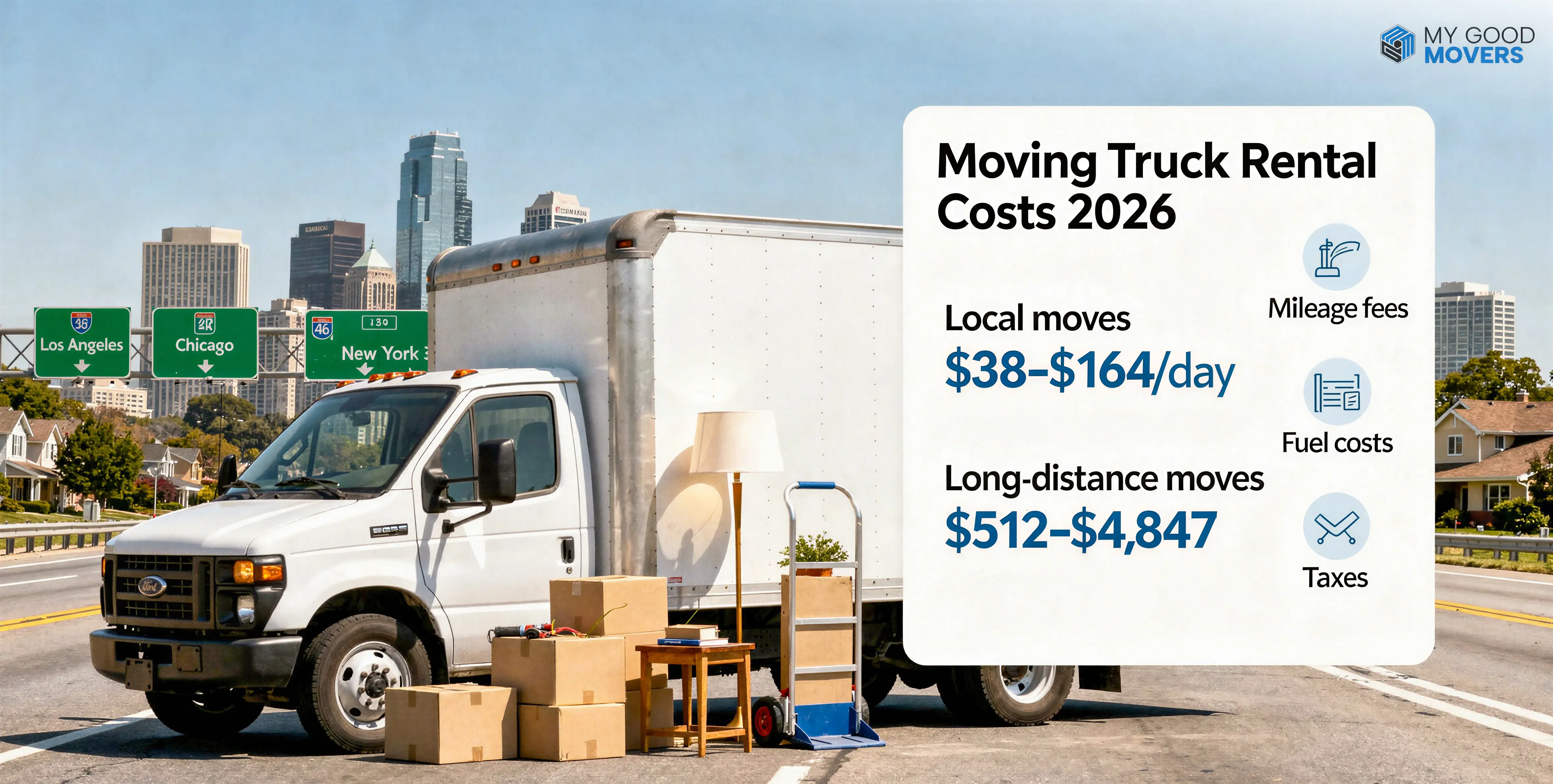
For a local move, fuel may cost around $39 to $118, depending on how many trips you make. For a long-distance move, fuel can easily reach $287 to $937.
Moving day costs usually include:
- Fuel
- Mileage fees
- Extra rental hours
- Labor-only help
- Food and drinks for helpers
- Parking permits
- Tolls
- Stairs or elevator delays
- Extra equipment if something is harder to move than expected
Phase 3: The Costs That Depend on Distance
If you are moving across town, your costs are mostly tied to the truck, mileage, fuel, and supplies. That is why local DIY moving costs are usually easier to control. You can return the truck the same day, avoid hotel stays, and ask friends or family to help.
Long-distance moves are different. Once you leave your city or state, you need a one-way truck rental, more fuel, meals, hotel stays, tolls, extra insurance, and maybe storage.
Phase 4: The Costs That Come After the Move
Many people think the spending ends once the truck is unloaded. Sometimes it does. Sometimes it does not.
After the move, you may still have to refill the gas tank, return equipment, pay for extra mileage, or cover a late return fee. If something was damaged during the move, you may also have repair or replacement costs.
After-move costs may include:
- Fuel refill
- Extra mileage
- Late return fee
- Cleaning fee
- Storage unit
- Replacement supplies
- Damage repairs
- Disposal or junk removal
Average DIY Moving Cost by Move Type
The average cost of moving yourself mainly depends on two things: distance and size. Distance affects fuel, mileage, rental time, and travel costs. Size affects the truck you need, the number of supplies you buy, and whether you need help lifting heavier items.
Here is a simple way to look at it:
| Move Type | Estimated 2026 Cost Range | What Usually Affects the Price Most |
|---|---|---|
| Local DIY move | $118 to $1,073 | Truck size, mileage, supplies and loading help |
| Long-distance DIY move | $559 to $4,969 | Distance, fuel, one-way rental, hotels, tolls |
| Small apartment move | $118 to $487 | Fewer boxes, smaller truck, less fuel |
| Family-size move | $621 to $2,843 | Larger truck, more supplies, more loading time |
| Cross-state DIY move | $847 to $4,969 | Miles, fuel, rental days, travel expenses |
So when you ask, how much does a DIY move cost, the better question is: “Am I paying mostly for a short rental, or am I paying for distance?”
Local DIY Move Cost
In 2026, local DIY moving costs usually fall between $118 and $1,073. A small apartment move may stay closer to the lower end, while a larger home can move toward the higher end.
Here is a local moving estimate:
| Home Size | Estimated Local DIY Cost |
|---|---|
| Studio apartment | $118 to $342 |
| One-bedroom home | $189 to $487 |
| Two-bedroom home | $313 to $764 |
| Three-bedroom home | $621 to $1,073 |
| Four-bedroom home | $893 to $1,487 |
A local move is usually the cheapest way to move when you have a small home, a short distance, and enough help to finish the job in one day. It gets more expensive when the move stretches into a second day.
“Local moves do not become expensive because of one big cost. They become expensive because of repeated small costs.”
Long-Distance DIY Move Cost
In 2026, a long distance DIY moving cost usually ranges from $559 to $4,969.
The lower end is more realistic for a small move over a shorter interstate distance. The higher end is more common when you are moving a larger home across several states.
Here is a simple long-distance estimate:
| Move Size | Estimated Long-Distance DIY Cost |
|---|---|
| Studio or small apartment | $559 to $1,284 |
| One-bedroom move | $847 to $1,936 |
| Two-bedroom move | $1,389 to $2,843 |
| Three-bedroom move | $2,271 to $4,126 |
| Four-bedroom or larger move | $3,214 to $4,969 |
For long-distance moves, do not build your budget around the truck quote alone. Add the travel costs before you decide the move is affordable.
Budget Snapshot
Sample DIY Budget: 2-Bedroom Apartment, 400 Miles
- Truck rental (3 days, 26-ft, Budget): $780
- Fuel (400 miles at 10 MPG, $3.80/gal): $152
- Damage waiver insurance (3 days at $25): $75
- Packing supplies (boxes, tape, wrap): $120
- Moving dolly rental (3 days): $45
- 1 hotel night on route: $105
- Meals during transit (2 days): $70
- Professional movers for the same move: $2,200 to $3,800
- DIY saving in this scenario is approximately: $900 to $2,400
Myth vs. Reality
People Think: Fuel costs are easy to estimate by simply matching the total trip mileage with a standard vehicle’s gas mileage.
The Reality: A fully loaded 26-foot moving truck is not comparable to a regular car or small vehicle. Once loaded and traveling at highway speeds, especially against wind or through hilly routes, fuel efficiency can drop to around 6 to 8 miles per gallon. That means your actual fuel bill can be much higher than expected.
Should You Choose a DIY Move Based on Your Home Size?
Home size is one of the biggest signs of whether a DIY move is a smart choice or a stressful mistake.
A small move can be simple if you have the time, the right truck, and a few people to help. A larger move is different because every extra room adds more boxes, more furniture, more loading time, and more chances for something to go wrong.
The real question is not only, “Can I move this myself?”
The better question is, “Can I move this safely, affordably, and without losing two full days of energy?”
| Home Size | Should You DIY? | Why |
|---|---|---|
| Studio or one-bedroom | Yes | Small move, fewer things, easier to finish in one day. |
| Two-bedroom home | Usually yes | Still manageable if you pack early and have a few helpers. |
| Three-bedroom home | Maybe | You can do it, but the heavy furniture and extra boxes can wear you out. |
| Four-bedroom or larger | Think twice | At this size, compare DIY vs. full-service movers before you decide. |
Hidden Costs of Moving Yourself
These hidden charges are the reason your DIY moving cost can look affordable at first and then feel higher by the end.
Here is a quick look at the costs people usually miss:
| Hidden Cost | What It Means | What You May Pay |
|---|---|---|
| Extra mileage charges | You drive more miles than your rental allows | $0.59 to $1.49 per mile |
| Fuel refill charges | You return the truck with less fuel than required | $39 to $118 |
| Late return fees | You keep the truck longer than agreed | $41 to $83 per extra day |
| Damage protection fees | Optional coverage for truck damage or accidents | $17 to $32 per day |
| Stairs, elevators, and long carry costs | Extra effort if you hire loading or unloading help | $49 to $187 |
| Overnight travel costs | Hotel, meals, parking, and tolls during long moves | $96 to $347 per night |
DIY Moving vs Hiring Professional Movers – (Cost Comparison)
The honest comparison most people need before deciding.
| Category | DIY Moving | Professional Movers |
|---|---|---|
| Local 2-bedroom move | $300 to $600 | $800 to $1,600 |
| Long-distance 2-bedroom | $1,800 to $3,200 | $3,500 to $6,500 |
| Physical effort | High (you do all the loading) | None |
| Time required | Full day to 7+ days | Half day to 2 days |
| Damage risk | Higher (self-managed) | Lower (insured movers) |
| Flexibility | Full control | Scheduled by the company |
| Best for | Small homes, short moves | Large homes, long distance |
DIY moving saves the most money on short local moves.
Once you factor in 5 days of truck rental, $400 in fuel, 4 hotel nights, and meals on a cross-country move, the savings over hiring movers can shrink to $500 or less on a large household.
That gap is not always worth the physical effort and logistical stress.
Best DIY Moving Options in 2026
When it comes to DIY moving, you are not limited to just renting a truck. In 2026, there are several options depending on your budget, distance, and how much effort you want to handle yourself.
| Option | How It Works | Best For | Why People Choose It |
|---|---|---|---|
| Moving Truck Rentals | You rent a truck and handle driving + loading yourself | Short or mid-distance moves | Full control + usually the lowest base cost |
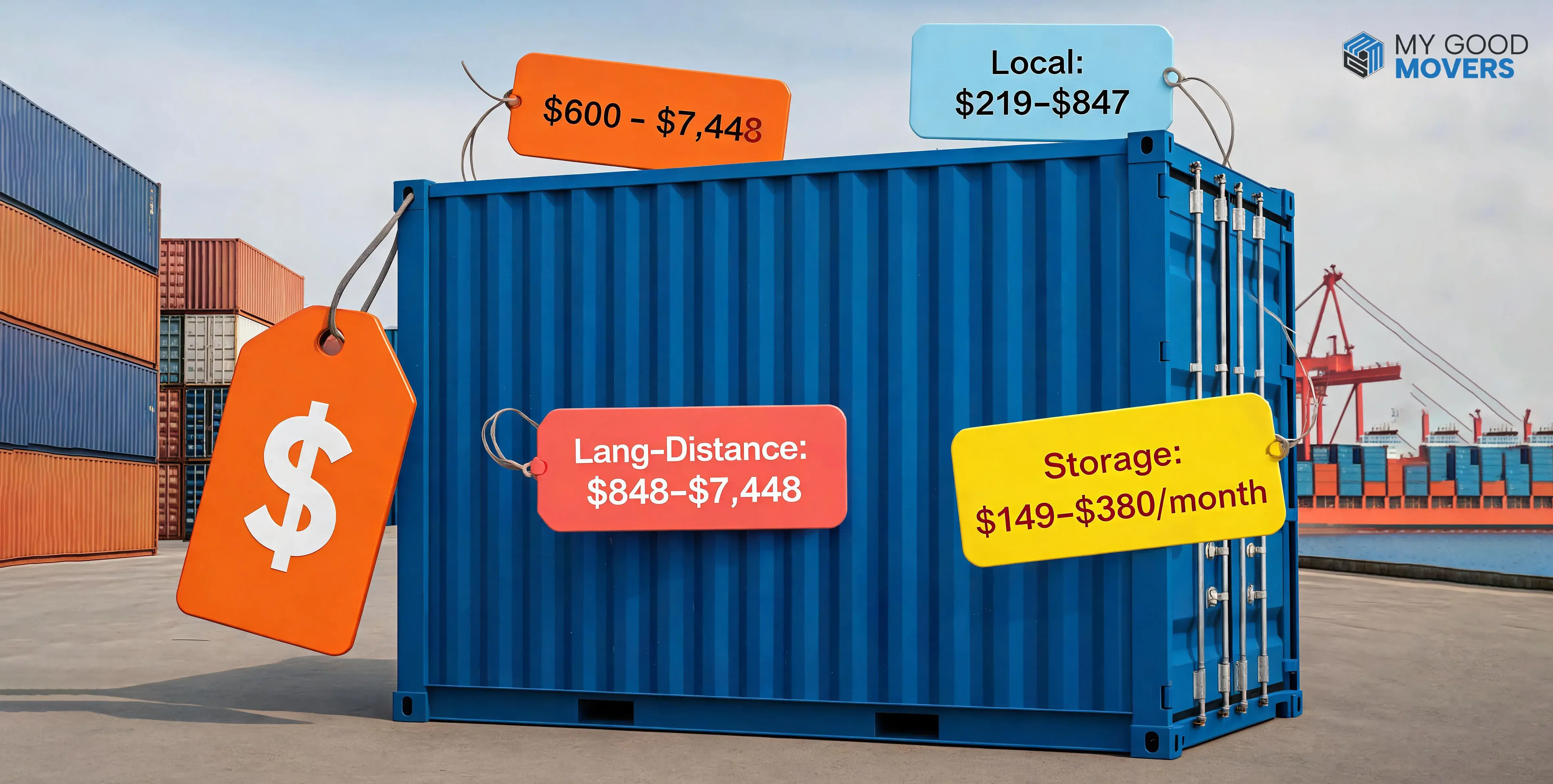
| Moving Containers | A container is delivered, you load it, and the company transports it | Stress-free DIY movers | No driving, more convenience |
| Freight Trailer Services | You load belongings into a shared freight trailer | Long-distance budget moves | Cheaper for large shipments |
| Labor-Only Help | You rent a truck, hire helpers for loading/unloading | People are avoiding heavy lifting | Saves physical effort without full mover cost |
How to Reduce Your DIY Moving Costs
DIY moving can get expensive fast, but you can control a lot of the cost with a few smart decisions. It’s mostly about planning ahead and avoiding unnecessary expenses.
Book Early and Move Off-Peak
Moving between October and March saves 15 to 25 % on truck rental prices. Booking 3 to 4 weeks ahead locks in lower rates before demand spikes.
Get Free Boxes
Liquor stores, bookstores, grocery stores, and Facebook Marketplace are reliable sources for free moving boxes. This alone can save $50 to $150 compared to buying new.
Declutter Before You Pack
Every item you remove from the load reduces the truck size you need. Dropping from a 26-foot to a 20-foot truck can save $100 to $300 on rental cost and $50 to $150 on fuel.
Skip Sunday Returns
Return the truck on a weekday if possible. After-hours and Sunday return fees can add $25 to $75 to your bill unnecessarily.
Is a DIY Move Actually Cheaper in 2026?
Yes, a DIY move is usually cheaper in 2026 if you are moving a small home, staying local, and have help with loading and unloading. It can save you money because you are not paying for a full moving crew, labor hours, or full-service transport.
But DIY is not always cheaper for every move. If you need a large truck, drive long distance, pay for fuel, buy supplies, add insurance, book hotels, or hire loading help, the final price can get close to hiring movers.
In short: DIY is cheaper when the move is small, short, and well-planned. It becomes less cheap when the move is large, far, rushed, or physically difficult.