


If you are wondering how to transfer electricity when moving, the basic process is simple: contact your current electric company, check whether they serve your new address, schedule a stop date for your old home, and set a start date for electricity at your new place.
If the same provider covers both addresses, you can transfer electricity to the new address under the same account. If not, you will need to close your old account and start a new electricity service at your new address with the correct provider.
You may be packing boxes, confirming movers, changing your mailing address, and trying to keep everything on schedule. Then one small utility detail suddenly becomes a big headache: the power is still on at the old home, or worse, the lights are off at the new one.
Key Takeaways
★ Start the electricity transfer process before moving day to avoid delays.
★ Check whether your current electricity provider serves your new address.
★ If the same provider serves the new address, request a service transfer.
★ If the provider is different, close the old account and start a new service.
★ Keep electricity active at the old home until move-out day.
★ Schedule electricity at the new home before or on move-in day.
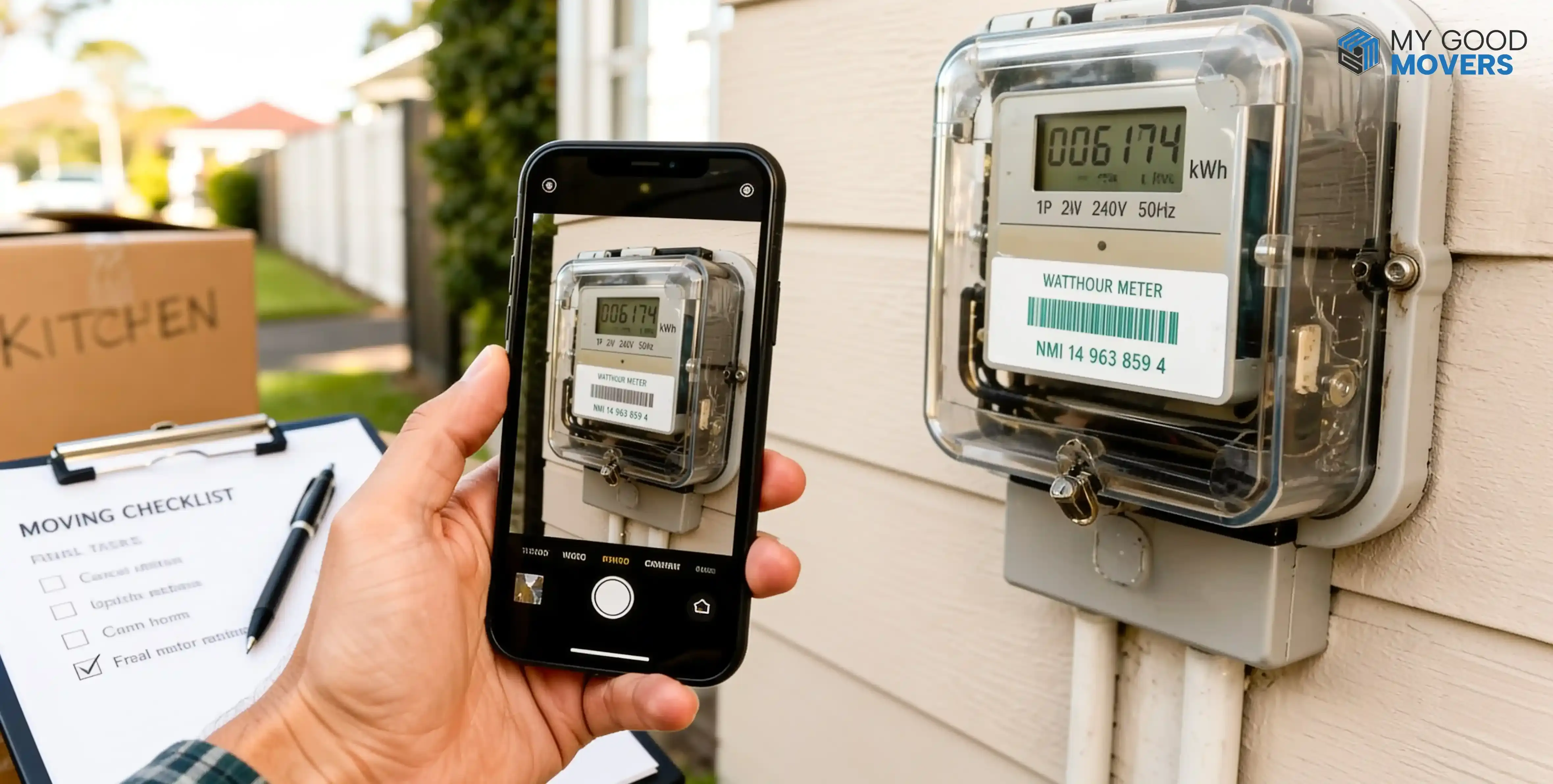
★ Take meter readings or photos at both addresses to avoid billing issues.
★ Save confirmation numbers, final bills, and account closure details.
Can You Transfer Electricity to a New Address?
Yes, you can transfer electricity to a new address, but it depends on your provider's service area.
If your current electric company also serves your new home, they may let you move your account from the old address to the new one. In that case, you are not really starting over. You are updating your service address, move-out date, move-in date, and billing details.
But electricity does not always transfer automatically. Electricity transfer involves two separate processes:
| Process | What It Means |
|---|---|
| Disconnection | Telling your current electric company that you are moving and asking them to stop service on a specific date |
| Connection | Applying for electricity service at your new home and scheduling a connection date. |
Both steps are required. If you only disconnect and do not connect, you will arrive at a home with no electricity. If you only connect at your new home but forget to disconnect at your old place, you may be billed for electricity you are not using.
What Happens If Your New Address Has a Different Provider?
If your new home has a different electricity provider, your current company cannot continue service there. You will need to ask your old provider for the final service date, then contact the correct provider for the new address.
| Situation | What It Means | What You Should Do |
|---|---|---|
| The same provider serves your new address | Your current account may be moved to the new address | Request a service transfer |
| The new address has a different provider | Your current provider cannot continue service there | Cancel the old service and start the new service |
| Moving to another city or state | Utility coverage may change by location | Find the provider for the new address |
| Moving to a deregulated market | You may be able to choose from multiple plans | Compare providers before signing up |
| Electricity is already on at the new home | Service may still be under a previous account | Contact the provider and put the service in your name |
When Should You Transfer Electricity Before Moving?
The electricity transfer timeline depends on several factors, including your location, your electric company, how early you apply, and whether your new home already has service set up.
On average, the process takes 2 to 4 weeks from the time you apply.
Timeline Breakdown:
| When | What to Do |
|---|---|
| 1 to 2 months before moving | Start planning. Research electric companies and requirements in your new area |
| 4 to 6 weeks before moving | Contact your current electric company to schedule disconnection |
| 3 to 4 weeks before moving | Apply for service at your new home |
| 1 to 2 weeks before moving | Confirm both disconnection and connection dates |
BEST DATE TO STOP
Stop service on your move-out day or the day after, so you still have power for cleaning, loading, and final walkthroughs.
BEST DATE TO START
Start service at least one day before move-in, or on move-in morning if your provider confirms activation timing.
What Information Do You Need to Transfer Electricity?
Electric companies usually need basic account information, address, identity, and billing details before they can process a transfer or start new service.
Keep this information ready before you call or fill out an online form. It saves time and reduces the risk of mistakes.
| Information Needed | Why It Matters |
|---|---|
| Current account number | Helps the provider locate your existing service |
| Old address | Needed to schedule the service stop date |
| New address | Needed to check availability and start or transfer service |
| Move-out date | Prevents paying for electricity after leaving |
| Move-in date | Helps ensure electricity is active when you arrive |
| ID or proof of residence | May be required to verify the account holder |
| Payment method | Needed for deposits, fees, or future billing |
| Forwarding address | Used for final bills, refunds, or account notices |
How to Transfer Electricity When Moving: Step-by-Step Process
The easiest way to understand how to transfer electricity when moving is to break it into small steps. You do not need to handle everything at once, but you do need to get the order right.
Start with your current electricity account.
Check your:
- Account number
- Current plan
- Contract terms
- Service address
- Billing balance
- Deposit status
- Provider contact details
- Possible cancellation or early termination fees
If you are on a fixed-rate plan or contract, ask whether moving affects your agreement. Some providers may waive certain fees if you move outside their service area, but policies vary.
Next, ask your current provider whether they serve your new address.
You can check this online by entering the new ZIP code or full address. You can also call customer support and ask directly.
If they serve the new location, ask for a service transfer; if they do not, ask how to cancel electricity when moving and request the correct final billing process.
If your current provider does not serve your new home, you need to find the right electric company.
You can ask:
- Your landlord
- Property manager
- Real estate agent
- Previous owner
- Apartment leasing office
- Local city or county utility office
- Homeowners association, if applicable
In some areas, one utility company handles electricity delivery, and in other areas, you may be able to choose between different energy suppliers. That is why the new address matters more than the old provider name.
Now decide which situation applies to you.
- Same provider covers your new home: request a transfer.
- Provider does not cover your new home: cancel old service and start new service.
- Moving to a deregulated area: compare plans before you choose. Look beyond the advertised rate. Check contract length, deposit requirements, early termination fees, and whether the rate is fixed or variable.
This is also a good time to think about the rest of your utility transfer. Electricity is only one part of the move. Water, gas, trash, internet, and security systems may also need separate scheduling.
Once you know what needs to happen, contact the electric company.
You can do this by phone, through your online account, via the mobile app, or via a customer service form. Tell them:
Then provide your old address, new address, move-out date, move-in date, account number, and billing details.
Ask for a confirmation number before the call ends. If you complete the request online, save the email or screenshot.
Do not stop electricity too early.
You may still need power for:
- Packing
- Cleaning
- Vacuuming
- Loading
- HVAC
- Final repairs
- Appliance checks
- Final walkthrough
- Security lights
For most moves, the best stop date is your move-out day or the day after. If you are renting, check your lease or ask your landlord whether utilities must stay active through the final inspection.
Nobody wants to clean an empty apartment with no lights and no air conditioning.
Schedule electricity at the new home before you arrive.
Set the start date one day before move-in. That gives you time to confirm the lights, outlets, fridge, heating, cooling, and garage door are working.
If your provider only allows activation on move-in day, confirm the expected timing. Morning activation is better than waiting until late afternoon when movers may already be unloading.
Ask about costs before you approve the transfer or new service.
Possible charges may include:
- Transfer fee
- Connection fee
- New account deposit
- Unpaid balance
- Early termination fee
- Final bill
- Late fee
- Meter reading fee, in some cases
Exact fees vary by provider, location, credit history, state rules, service type, and account status.
If you paid a deposit at the old address, ask whether it can be transferred to the new account or refunded after the final bill.
On your disconnection date, a meter reader or technician may visit to take a final reading. This final reading is used to calculate your last bill.
What Happens During Final Meter Reading:
- A technician visits your old home
- They photograph or record the meter reading
- They confirm the disconnection date
- They may ask you to verify information
- The service is turned off (usually, they cut power at an external switch)
In some cases, you can provide the meter reading yourself by calling the electric company or submitting it online. Ask your provider if this option is available.
After you schedule everything, confirm it.
Save:
✓ Confirmation number
✓ Start date
✓ Stop date
✓ New account number
✓ Final bill details
✓ Deposit information
✓ Customer support contact
✓ Online account login
✓ Email confirmations
Once you move in, check that lights, outlets, major appliances, heating, cooling, and breakers are working. If the power is not active, call the provider right away.
A calm 10-minute check on move-in day is much better than discovering the problem at night.
Got This Utility Covered? Check the Rest
Transferring one service is only part of the process. See how to handle other utilities before you move.
How to Transfer Utilities When MovingHow Electricity Transfer Works in Different Moving Situations
Electricity transfer depends on where you are moving, your home type, and whether the same provider serves both addresses.
- Moving within the same city: Your current provider may transfer service, but confirm the exact new address because coverage can change by neighborhood.
- Moving to a different city: You may need a new electricity provider. Close your old account, request a final bill, and start service at the new address.
- Moving to another state: Out-of-state moves usually require new service because rules, rates, deposits, and providers may change.
- Moving from a rental: Check your lease before stopping electricity. Some landlords require power to stay active until the final walkthrough.
- Moving into a home you bought: Schedule electricity around the closing or possession date so service is in your name when you get the keys.
- Moving to an apartment: Ask the leasing office about required providers or proof of electricity setup before move-in.
Questions to Ask Your Electricity Provider Before Moving
A quick call can clear up most confusion. Before you hang up, ask these questions and write down the answers.
Can I Transfer My Current Plan to the New Address?
Ask directly, since some plans and rates are tied to a specific service area.
Are There Any Transfer or Connection Fees?
Fees vary by provider, state, and service type, so get the number in writing if possible.
Will I Need to Pay a New Deposit?
This often depends on your payment history and the new provider's credit check.
What Date Will Service Stop at My Old Home?
Confirm the exact date so you are not paying past your move-out.
What Date Will Service Start at My New Home?
Confirm it lines up with your move-in date, not a few days after.
How Will I Receive My Final Bill?
Ask whether it comes by mail, email, or online account, especially if you are leaving the state.
Common Mistakes to Avoid When Transferring Electricity
Most electricity transfer problems come from small timing errors. Here are the ones to avoid.
Waiting Until the Last Minute
Same-day activation is not always available, and busy seasons make it worse. Call early to keep your options open.
Assuming Electricity Transfers Automatically
Nothing moves on its own. You have to request the transfer or new service yourself.
Forgetting to Close the Old Account
An open account at your old address can mean an unexpected bill weeks after you have already left.
Not Checking the New Address Provider
Assuming your current provider covers the new home can leave you without power on arrival.
Not Taking Meter Readings
Skipping this step makes it harder to dispute a bill if something looks off later.