


Overview
Small boxes do not look expensive until you suddenly need 40 of them.
Moving supplies cost about $151 for a small apartment move and reach around $682 for a 4+ bedroom home. The total increases with the number of boxes and the amount of tape, bubble wrap, packing paper, mattress bags, wardrobe boxes, and furniture protection required.
Most people plan for movers, deposits, truck rental, flights, or shipping first. Then packing week arrives, and the real surprise shows up: one roll of tape is not enough, old grocery boxes are too weak, and fragile items need more padding than expected.
Note: The real budget problem is not one expensive supply. It is all the small packing costs piling up at once.
What Is Included in Moving Supply Costs?
When we talk about moving supply costs, we mean the physical materials used to pack and protect your belongings. These expenses are separate from moving labor, transportation, storage, and other moving services.
Average Cost of Moving Supplies for a Move
The average cost of moving supplies depends mostly on how much you own and how carefully you want to protect it.
As a rough estimate, many people spend $151 to $682 on boxes and packing materials. A basic move stays on the lower end. A larger home, fragile inventory, or international relocation can push the total higher.
Budget vs Standard vs Premium Supply Cost
| Supply Budget Type | Estimated Cost Range | Best For | What It Usually Includes |
|---|---|---|---|
| Budget | $54 to $148 | Studio or small 1-bedroom move | Reused or free boxes, basic tape, labels, and limited padding |
| Standard | $151 to $453 | 1- to 3-bedroom move | New boxes, packing tape, packing paper, bubble wrap, and mattress bags |
| Premium | $454 to $723+ | Large homes or moves with fragile and high-value items | Specialty boxes, heavy-duty boxes, extra cushioning, mattress protection, and furniture covers |
Average Moving Supplies Cost by Home Size
Home size is one of the easiest ways to estimate the cost of packing supplies.
More rooms mean more clothing, kitchen items, books, decor, electronics, furniture, and fragile belongings. That means more boxes, more tape, more padding, and more labels.
Don’t Guess Your Moving Budget
See what people usually pay for different types of moves within the U.S. before you make your final decision.
How Much Does It Cost to Move in the USA?Moving Supplies Cost Table
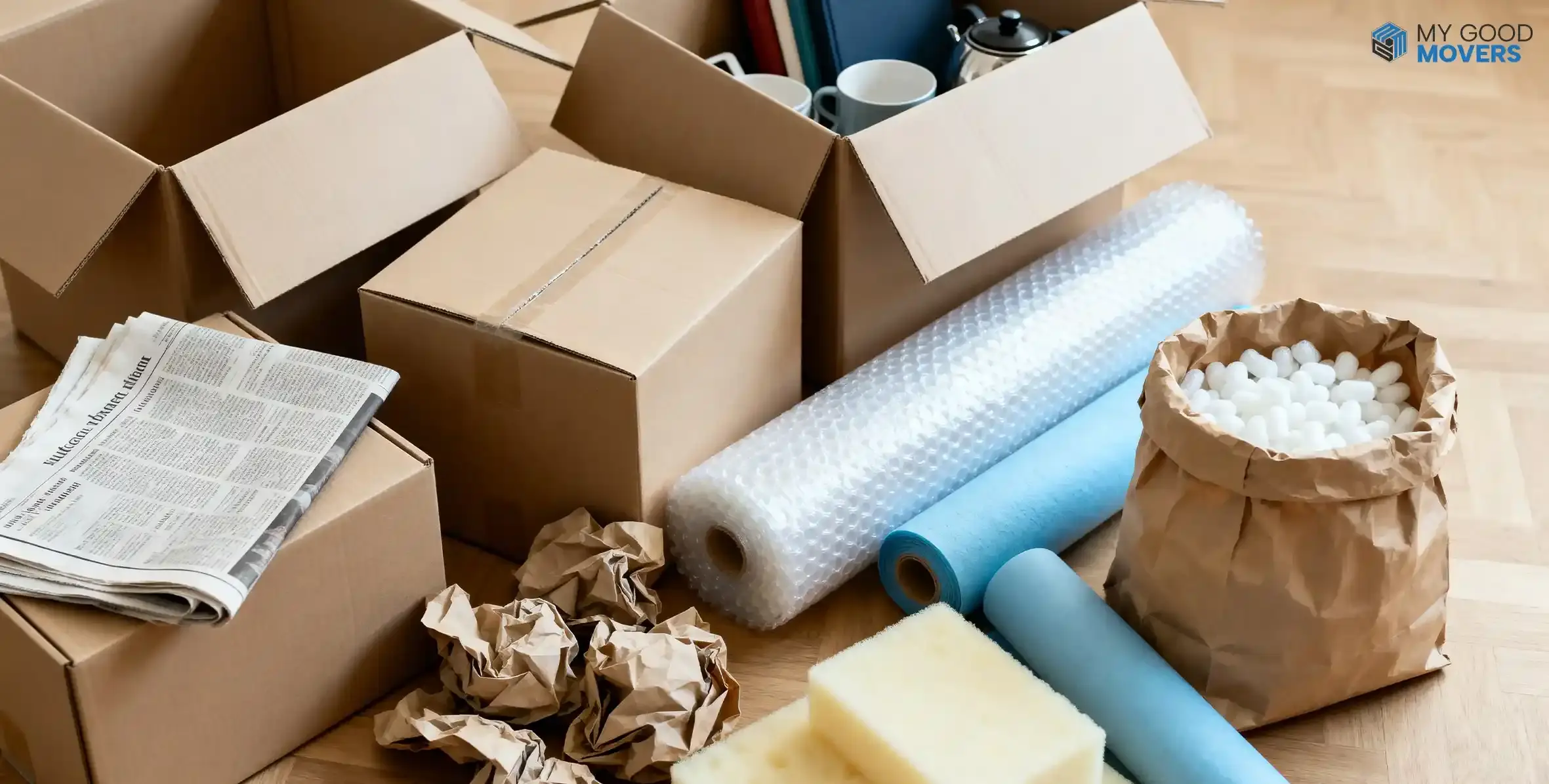
When you start buying supplies for a move, the small costs add up quickly. Boxes, tape, packing paper, bubble wrap, mattress bags, and other materials all take a share of your budget, so it is important to know what each item usually costs.
Average Cost of Moving Supplies by Item
| Moving supply item | Average cost range | How many | Your cost |
|---|
What Affects the Cost of Moving Supplies?
Several things can push your moving supply bill up or keep it lower:
Home size
A larger home usually needs more boxes, tape, packing paper, and protective materials, so the total cost increases as the number of rooms goes up.
Number of belongings
The more items you pack, the more supplies you need. A lightly furnished home can cost less to pack than a smaller home filled with books, dishes, decor, and storage items.
Fragile or valuable items
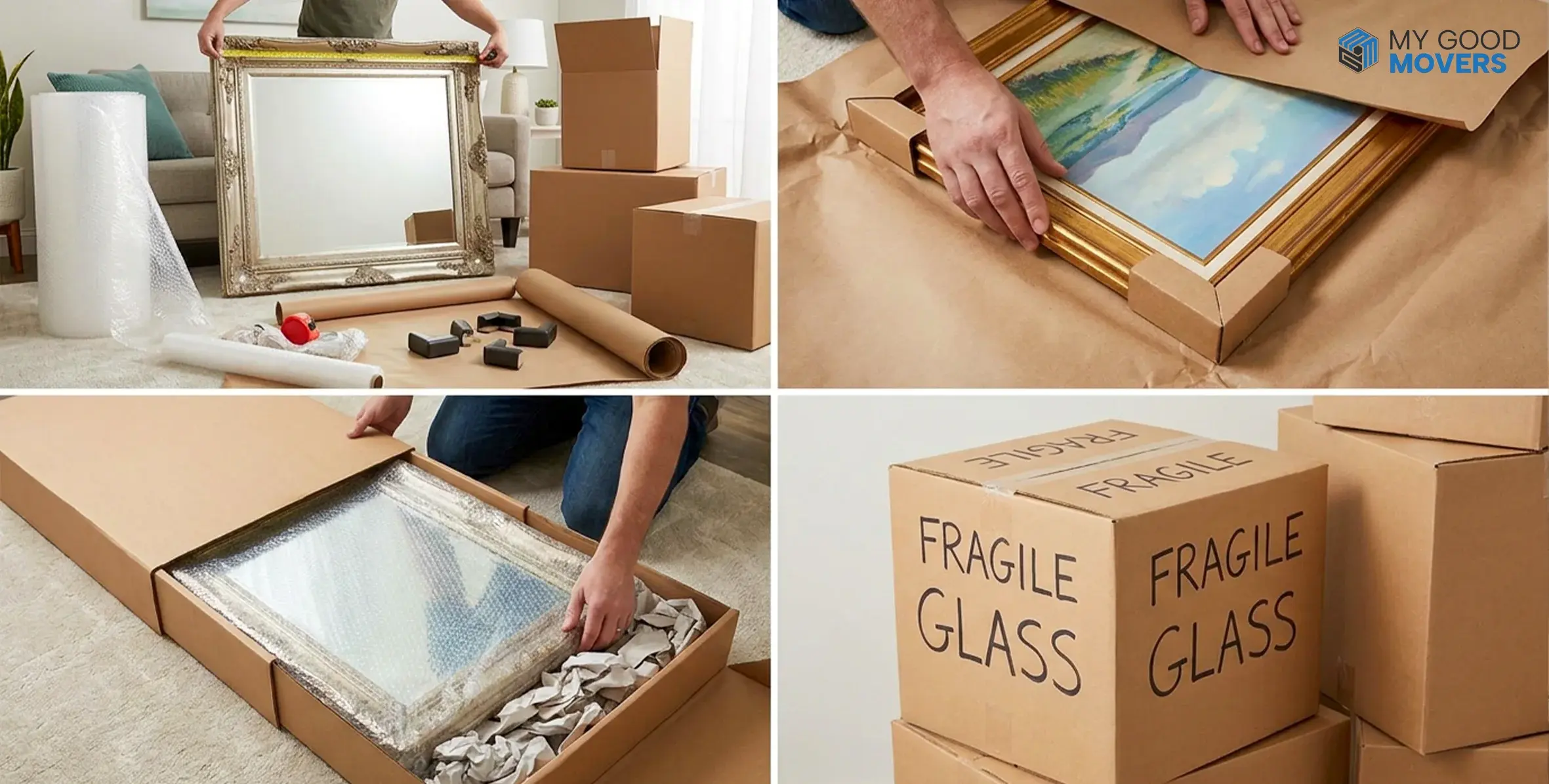
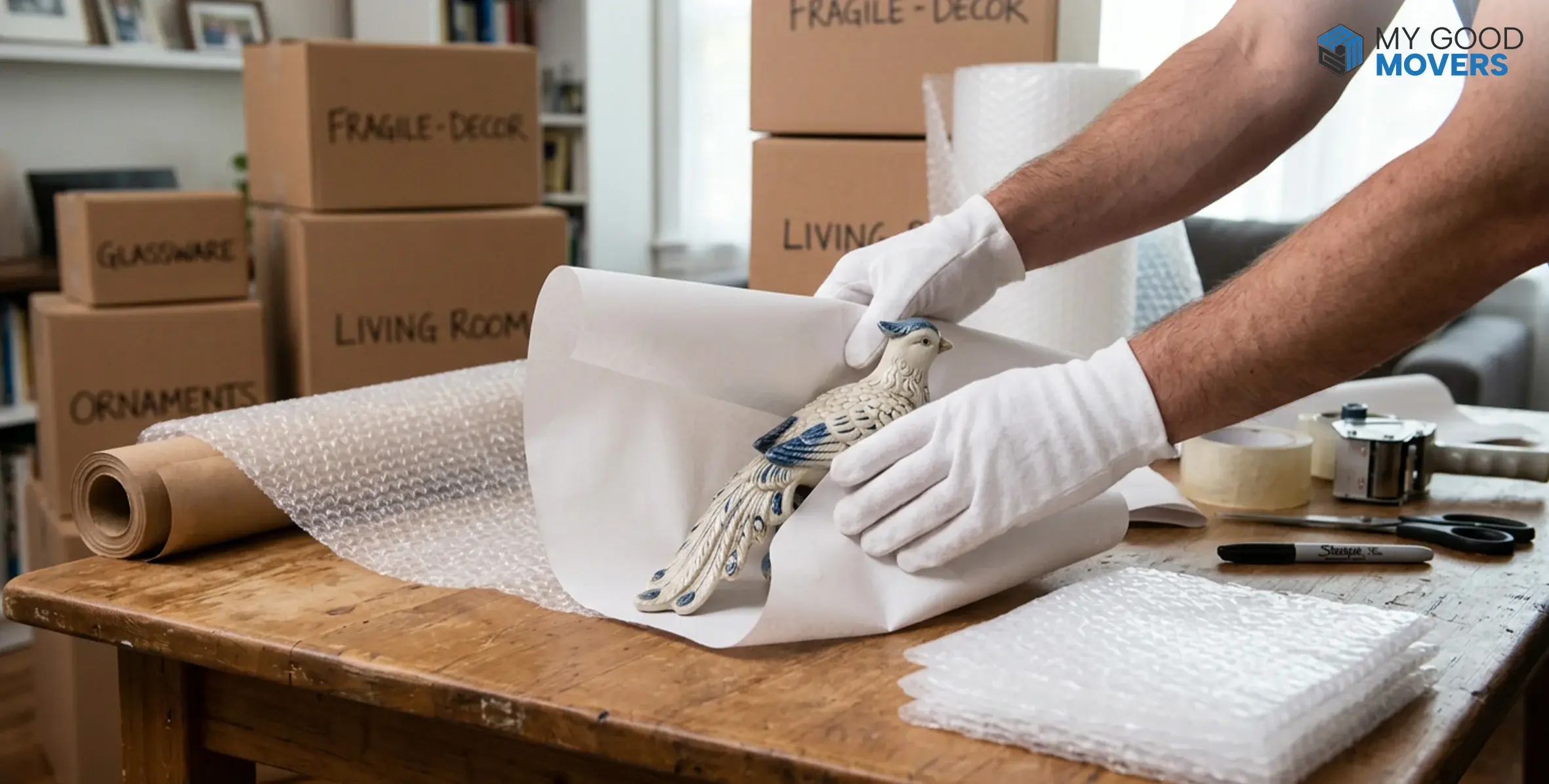
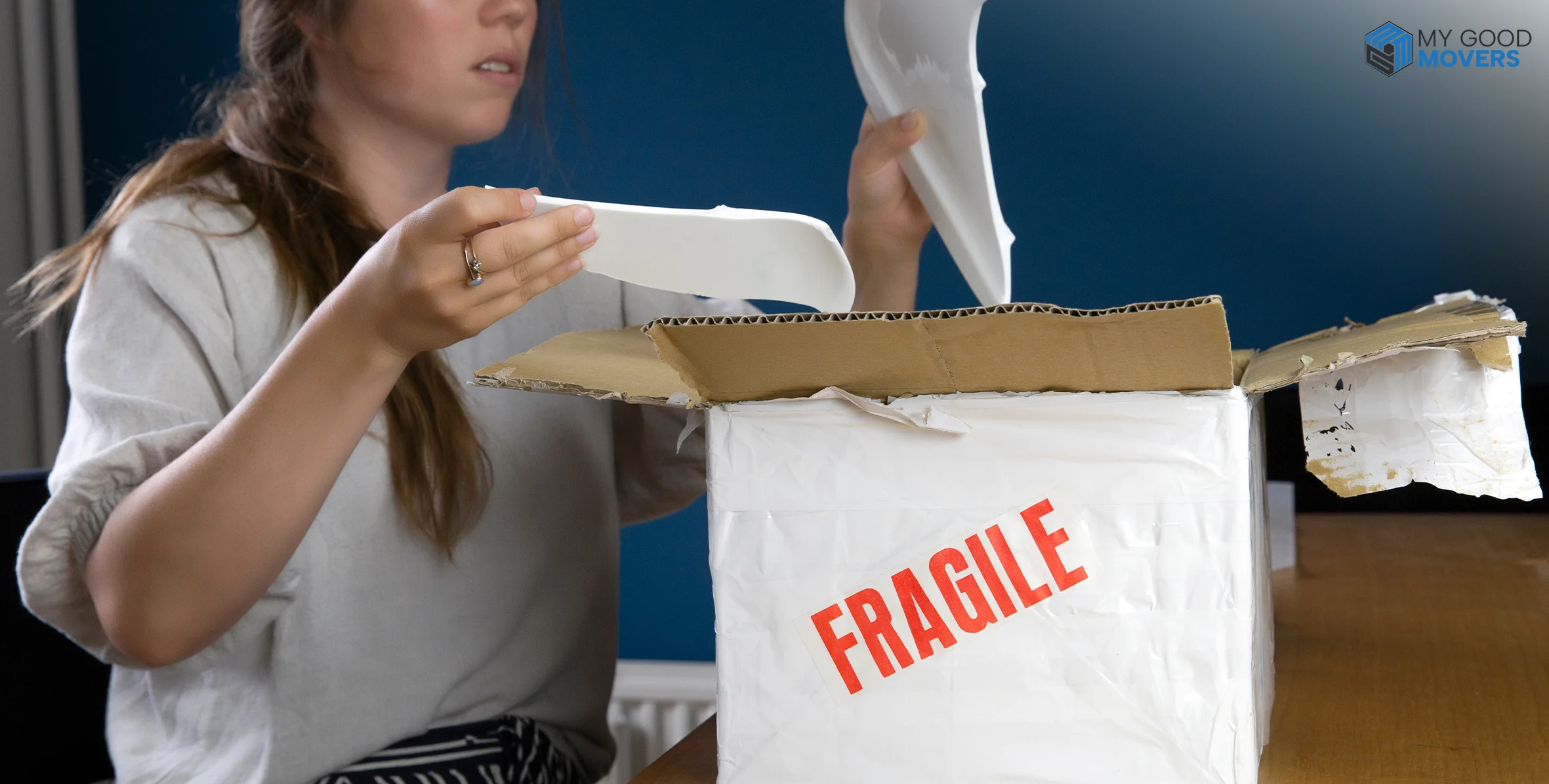
Glassware, TVs, mirrors, artwork, and electronics need extra protection. Bubble wrap, specialty boxes, packing paper, and padding add more to the total cost.
Standard or specialty boxes
Regular boxes are cheaper. Wardrobe boxes, TV boxes, dish boxes, and mirror boxes cost more because they are made for specific items and offer better protection.
New or reused supplies
Reusing boxes lowers your cost. Buying everything new raises the total, especially if you need a large number of boxes.
Individual supplies or moving kits
A moving kit can cost more if it includes items you do not need. Buying supplies separately gives you more control over the total, especially when you already have some materials at home.
What Each Room Costs to Pack
Some rooms need more packing supplies than others. Kitchens cost more because dishes and glassware need extra protection, while bathrooms need fewer boxes and less padding.
| Supply | Qty | Unit Cost | Estimated Cost |
|---|
Cost of Buying Individual Supplies vs Moving Kits
Buying supplies one by one gives you control over exactly what you pay for. A moving kit puts the main boxes and packing materials into one purchase.
For the same set of supplies, the price difference is smaller than people expect.
Moving Box Kits
- Boxes and packing materials come together in one order.
- The quantity is already planned for the home size.
- You pay for everything included in the kit, even if you already own some supplies.
- Specialty items still raise the price when they are not part of the kit.
Buying Supplies Individually
- You choose only the boxes and materials you need.
- You spend less when you already have tape, boxes, wrap, or other supplies at home.
- Adding more boxes or protective materials increases the total.
- Buying the same quantities at the same retailer does not automatically cost less.
Cost Comparison for a 1- to 2-Bedroom Move
| What You Get | Bought Individually | 1- to 2-Bedroom Kit |
|---|---|---|
| 15 small boxes | $26.55 | Included |
| 25 medium boxes | $56.75 | Included |
| 10 large boxes | $28.70 | Included |
| 3 wardrobe boxes | $49.50 | Included |
| Packing paper and cushioning | $21.44 | Included |
| Dish and glass packing kits | $30.99 | Included |
| Tape and markers | $11.94 | Included |
| Bubble wrap and stretch wrap | $20.74 | Included |
| TV cover and mattress bag | $16.74 | Included |
| Total | $263.35 | $310 |
Sample Moving Supply Budget
A moving supply budget is not just about buying boxes. It is about matching your packing plan with the type of move you are making.
Here is a simple way to plan it.
- Students & studios
- Small 1-bedroom spaces
- Local moves with fewer items
- Reused boxes & basic tape
- Safer choice for most moves
- New boxes & good tape
- Packing paper & labels
- Some fragile-item protection
- Larger homes
- Fragile & expensive items
- Long-distance / international moves
- Specialty boxes & padding
If you have fragile furniture or artwork, you can compare the best packing and moving companies and decide whether professional packing is worth the extra cost.
Are Free Moving Boxes Actually Worth It?
Free boxes are worth using when they are clean, dry, and strong enough for the items going inside them. They lower the amount you spend on cardboard boxes, but you still need to pay for tape, packing paper, padding, and specialty boxes.
DIY Packing Supplies vs. Professional Packing Costs
Packing everything yourself keeps the direct cost much lower because you pay for supplies instead of packing labor.
Professional packing costs more because a crew handles the work and the price usually includes boxes and other packing materials.
| Category | DIY Packing | Professional Packing |
|---|---|---|
| Packing cost | $151 to $682 | $280 to $2,200 |
| 1-bedroom | $151 to $218 | $280 to $650 |
| 2-bedroom | $219 to $310 | $530 to $1,000 |
| 3-bedroom | $311 to $453 | $1,030 to $2,200 |
| Labor cost | $0 when you do the packing yourself | Included in the professional packing price |
| Supplies | You buy or source your own boxes and materials | Boxes and packing materials are usually included |
| Time | You pack on your own schedule | A packing crew finishes the work much faster |
| Fragile items | You buy the protection and pack each item yourself | Packers handle wrapping and packing as part of the service |
Quick Takeaway: If saving money is the priority, DIY packing makes more sense. If saving time and avoiding the work matters more, professional packing is the better fit.
How to Reduce Moving Supply Costs
You do not need to buy every moving supply you see. The smarter plan is simple: spend where protection matters and save where risk is low.
Use free or reused boxes
Good used boxes can replace part of what you would normally buy. The more boxes you get for free, the less you spend on new ones. Look for free packing supplies that are clean, dry, and strong enough to use safely.
Buy only what you need
Extra boxes, tape, and packing materials quickly turn into wasted money. Make a list of the moving supplies you need and check what you already have at home before you shop. Then use our moving box calculator to estimate how many boxes you need.
Use household items for padding
Towels, blankets, clothes, and bedsheets can protect many everyday items. Using them for padding means you buy less bubble wrap and packing paper, which lowers your cost.
Buy fewer specialty boxes
TV, wardrobe, dish, and mirror boxes cost more than regular moving boxes. Save them for items that really need the extra protection and use standard boxes for everything else
Declutter before you pack
Every item you remove is one less thing that needs a box, tape, and padding. Fewer belongings mean fewer supplies to buy, and less money spent before moving day.