


Moving decorative items is usually harder than people expect. A coffee mug can survive rough handling, but a ceramic vase, glass figurine, or framed wall piece often cannot. Decorative pieces break easily because many have delicate edges, uneven shapes, or fragile surfaces that shift when moved in boxes.
Most damage happens before the truck even starts moving. Poor wrapping, oversized boxes, and empty gaps inside the box are some of the biggest reasons decorative items crack during transport.
One small packing mistake can ruin something you spent years collecting or decorating your home around.
The good news is that careful packing dramatically reduces the risk of damage. Once you understand the right materials, box sizes, and wrapping methods, the process becomes much easier.
Let's learn how to pack decorative items safely, which supplies actually help, and simple techniques professional movers use to protect fragile decorative items.
Why Decorative Items Need Special Packing Before a Move
Decorative items need special packing because most of them are not built to handle pressure, shaking, or stacking during a move.
They Are Often Fragile
Many décor pieces are made of glass, ceramic, porcelain, or thin metal. These materials can crack or chip easily, so you need to pack fragile decorative items with proper wrapping and padding.
They Have Unusual Shapes
Vases, statues, candle holders, and wall décor do not always fit neatly in a box. Their corners, curves, and narrow parts need extra support, so they do not break during movement.
They Can Scratch Easily
Painted, polished, mirrored, or glossy surfaces can get scratched if they rub against other items. Separate wrapping keeps each piece protected.
They May Have Small Details
Some decorative items have handles, carved parts, beads, or delicate edges. These small details are usually the first parts to break if the item is not packed carefully.
They Can Be Sentimental
Some décor pieces may not be costly, but they can hold memories. If something cannot be replaced easily, it deserves better protection.
Decorative Items That Need Extra Care During Moving
Not every decorative item needs the same level of protection. Some pieces crack easily under pressure, while others are damaged when they shift inside the box during transportation.
Before packing, separate your decor into simple categories so you can choose the right wrapping and box type for each item.
Fragile Decorative Items
These items usually need extra cushioning and individual wrapping:
- Glass decor
- Crystal pieces
- Ceramic bowls
- Porcelain figurines
- Mirrors and frames
- Decorative candle holders
- Holiday ornaments
Quick Tip: If you hear items touching or clinking inside the box, add more cushioning before sealing it.
Heavy Decorative Pieces
Heavy decor can create pressure during lifting and stacking, especially in large boxes.
Items that usually need stronger boxes include:
- Marble decor
- Stone sculptures
- Thick-framed artwork
- Metal decorative pieces
- Large ceramic planters
Antique and High-Value Decor
Some decorations are difficult to replace because they carry sentimental or financial value.
For expensive or antique decor:
- Wrap each piece separately
- Use double-walled boxes
- Take photos before packing
- Keep valuable items separate
Oversized or Oddly Shaped Decorations
Large or uneven decor pieces need extra stabilization because the space inside the box creates movement during the move.
These items include:
- Tall vases
- Large mirrors
- Floor lamps
- Oversized wall decor
- Artificial plants
Packing Supplies You Need Before You Start
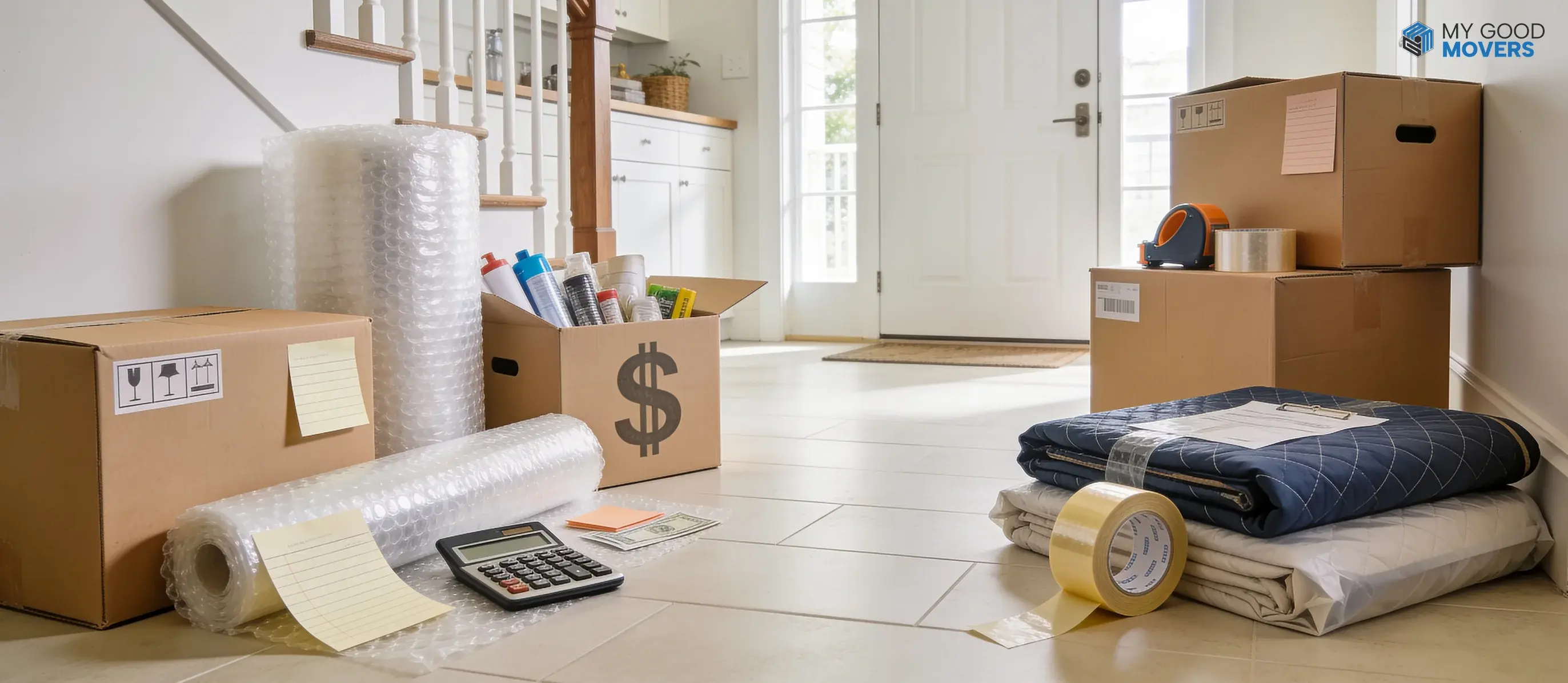
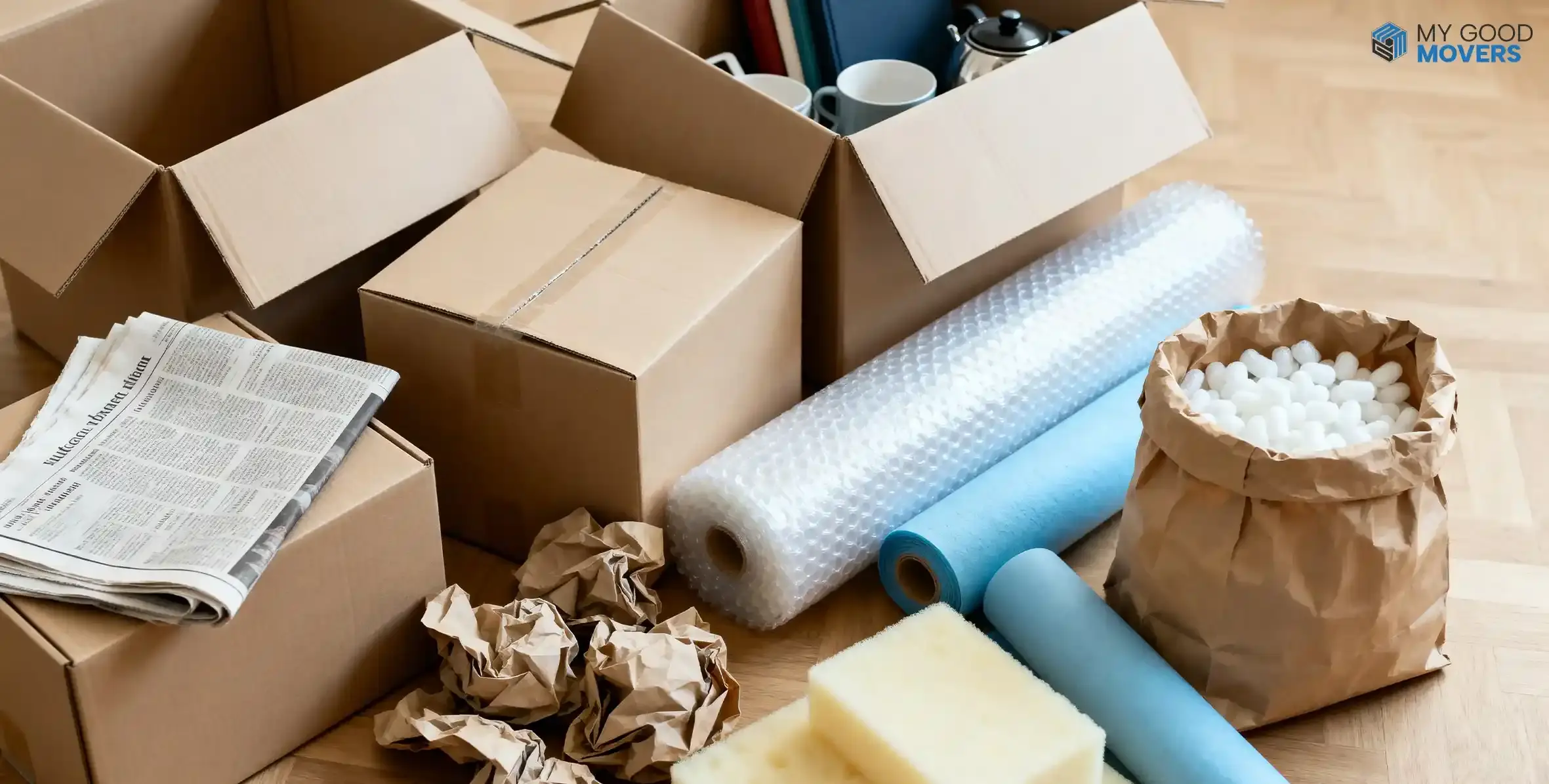
Before you start wrapping decorative items, make sure all packing supplies are ready nearby. Use our moving box calculator to find out how many materials you'll need from the beginning to make packing faster, cleaner, and much safer for fragile decor.
| Supply | Best Used For |
|---|---|
| Packing paper | Protecting delicate and painted surfaces |
| Bubble wrap | Absorbing impact around fragile decor |
| Double-walled boxes | Extra protection for expensive pieces |
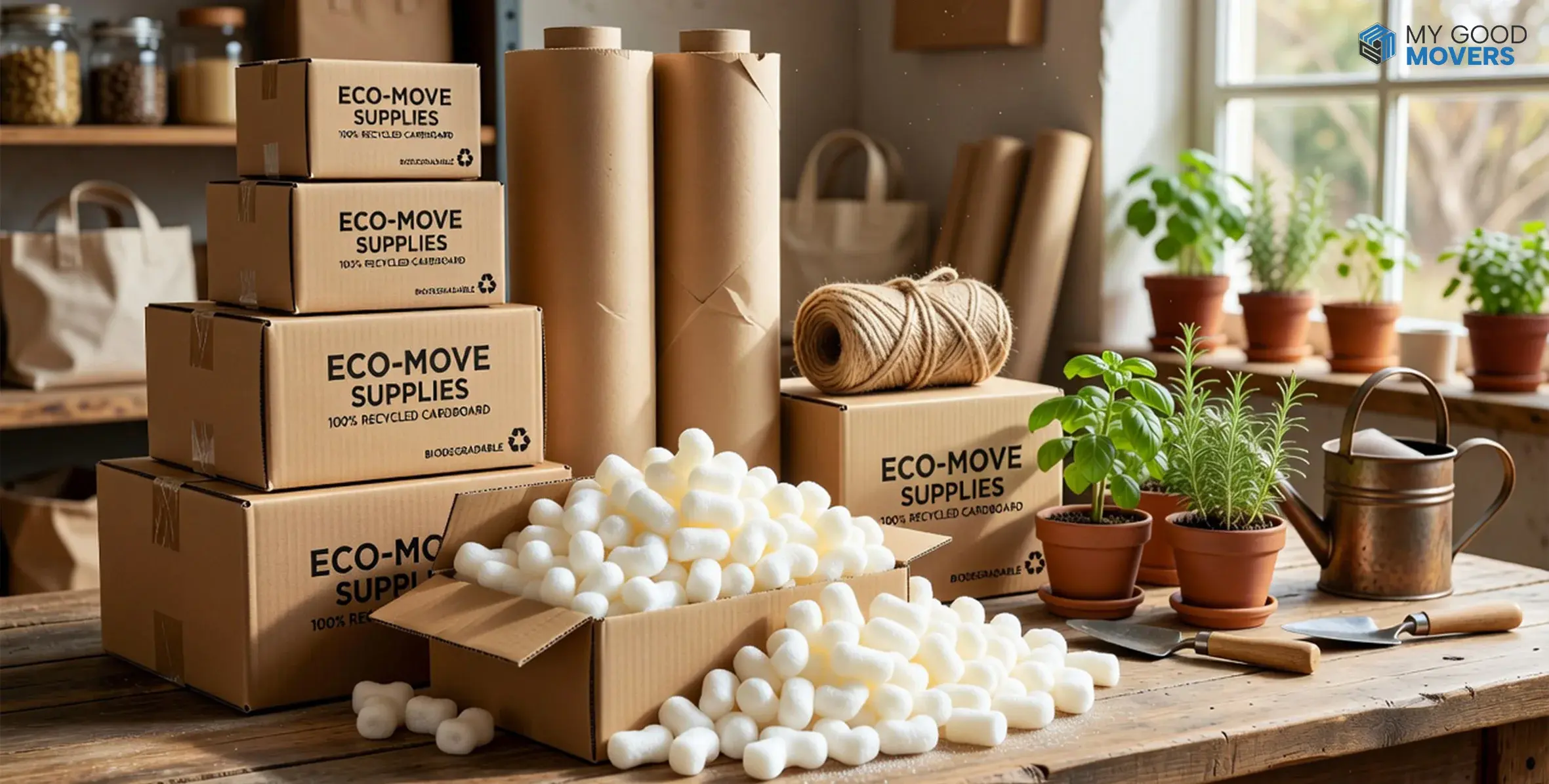
| Foam peanuts | Filling empty gaps inside boxes |
| Heavy-duty tape | Sealing box seams securely |
| Permanent markers | Writing FRAGILE labels clearly |
Best Boxes for Fragile Decorative Items
The number of boxes depends on how much décor you have, but let's give you a practical estimate for a normal home.
| Box Type | Best For | Recommended Box Count |
|---|---|---|
| Small sturdy boxes | Figurines, candle holders, small glass décor, ceramic pieces | 4 to 8 boxes |
| Medium moving boxes | Decorative bowls, trays, light centerpieces, mixed décor | 3 to 6 boxes |
| Dish pack boxes | Glass décor, crystal pieces, porcelain, delicate ceramics | 2 to 4 boxes |
| Mirror boxes | Mirrors, glass wall décor, framed mirror pieces | 1 to 3 boxes |
| Picture boxes | Wall art, framed prints, canvas décor, photo frames | 2 to 5 boxes |
| Lamp boxes | Lamps, tall vases, long decorative pieces | 1 to 3 boxes |
| Divided boxes | Ornaments, collectibles, holiday décor, small showpieces | 2 to 4 boxes |
| Heavy-duty boxes | Stone décor, metal décor, heavy centerpieces, large sculptures | 1 to 3 boxes |
| Original packaging | Expensive, branded, or delicate decorative items | As many as available |
Not Sure How Many Boxes You Need?
Use our moving box calculator to quickly estimate how many boxes you need for your move.
Calculate Your Moving BoxesPre-Packing Preparation Checklist
Good preparation saves time and helps prevent mistakes later.
Before packing, make sure you complete the following steps:
- Clean dust from decorative items
- Remove batteries from light-up décor
- Separate fragile and heavy pieces
- Check for original packaging
- Label boxes early
- Measure oversized decorations
- Take photos of valuable items
- Group room-specific décor together
How to Pack Decorative Items for Moving - Step-by-Step
Packing decorative items can feel stressful because even a small mistake may lead to cracks, scratches, or broken pieces during the move. The good thing is that once you understand the right packing method, the process becomes much easier and more organized.
Packing Roadmap:
Choose the right box → wrap each item separately → cushion empty spaces → seal and label properly → keep your decorative items protected throughout the move.
Step 1: Sort Decorative Items Before Packing
Before wrapping anything, organize your decorative pieces properly. Most people skip this step because they want to start packing quickly, but sorting first actually prevents confusion and damage later.
Place all decorative items in one open area where you can see everything clearly. Then separate them by:
- Material
- Size
- Weight
- Fragility
- Shape
For example, glass decor should not be mixed with heavy sculptures. Lamps should not be placed in the same box as ceramic figurines. Frames and mirrors usually need upright packing, while seasonal decorations may need divided storage boxes.
Sorting helps you understand:
- Which items need bigger or smaller boxes
- Which pieces need extra wrapping
- Which decor should be packed alone
- Which items are safe to group together
Step 2: Choose the Right Box for Each Item
A strong box matters more than many people realize. Decorative items often break because the wrong box was used, not because they were handled poorly.
Here is a simple box guide that works well for most decorative items:
| Decorative Item Type | Best Box Choice | Protection Note |
|---|---|---|
| Glass or crystal decor | Small sturdy box | Use paper, bubble wrap, and gap filling |
| Ceramic or porcelain pieces | Small double-walled box | Protect edges and raised details |
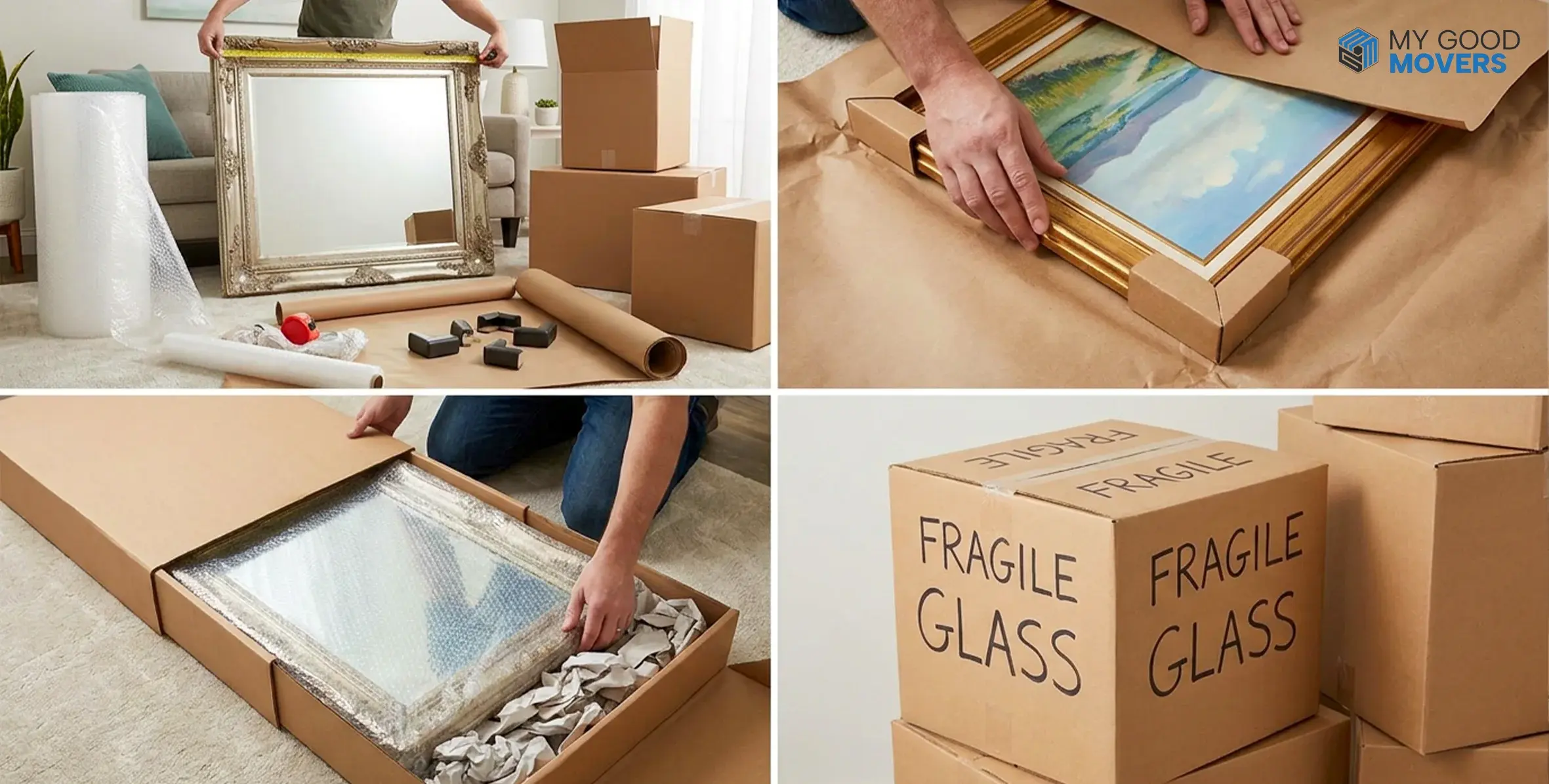
| Mirrors or framed wall decor | Mirror or picture box | Add corner guards and keep upright |
| Lamps or decorative lighting | Separate medium boxes | Pack base and shade separately |
| Heavy sculptures or thick decor | Small reinforced box | Add thick bottom cushioning |
| Seasonal or holiday decor | Divided box or small cartons | Wrap each piece separately |
Step 3: Build a Protective Cushion at the Bottom
The bottom of the box takes most of the pressure during a move. Every time the box is lifted, stacked, or placed on the floor, impact travels upward from the base.
That is why decorative items should never sit directly on cardboard.
Before placing anything inside, build a soft cushion layer using:
- Crumpled packing paper
- Bubble wrap
- Foam sheets
- Soft towels
- Packing peanuts
For most fragile decor, about 2 inches of cushioning works well. Heavier or more delicate pieces may need more.
Three-Layer Method
Layer 1: Soft base
Add crumpled paper, foam, or bubble wrap at the bottom of the box.
Layer 2: Wrapped item
Place the individually wrapped decorative item in the center.
Layer 3: Gap protection
Fill every space around the item so it cannot shift during the move.
Step 4: Wrap Each Decorative Item Separately
This is the step you should never rush. Two fragile decorative pieces should not be wrapped together, as they may rub, chip, or crack during transport.
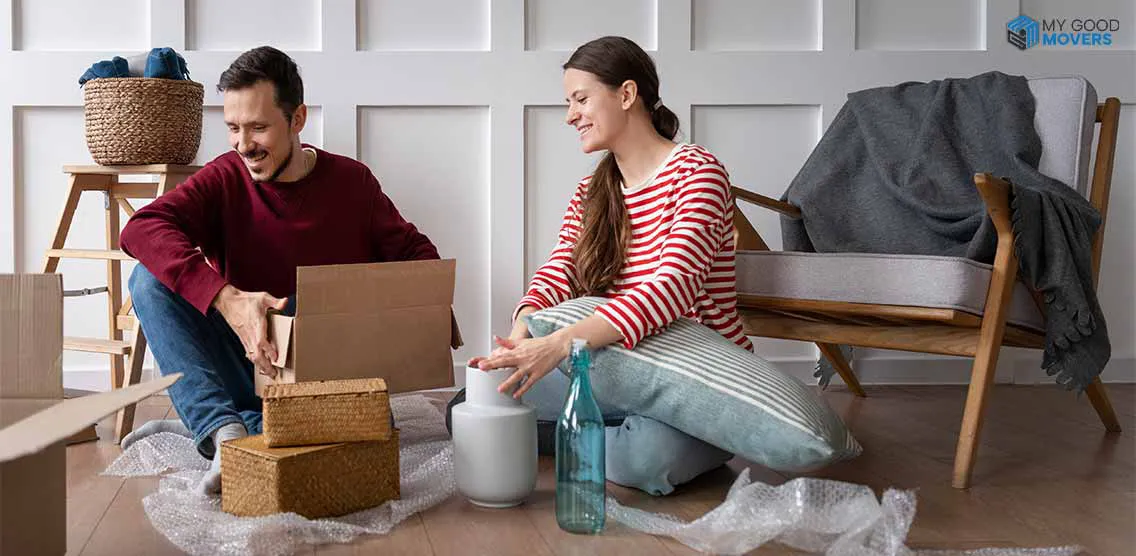
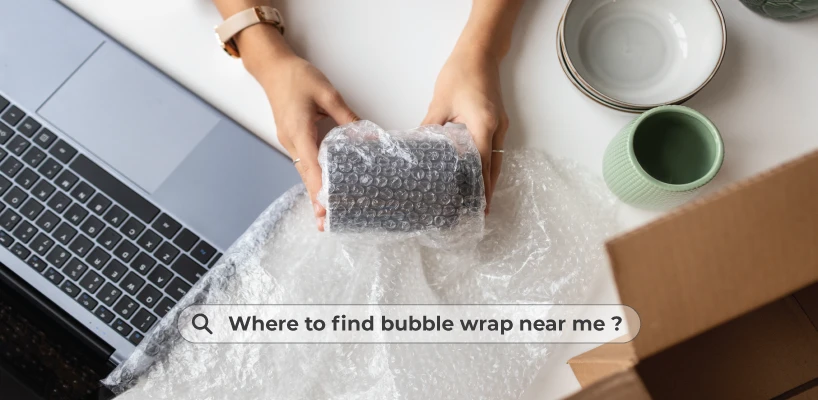
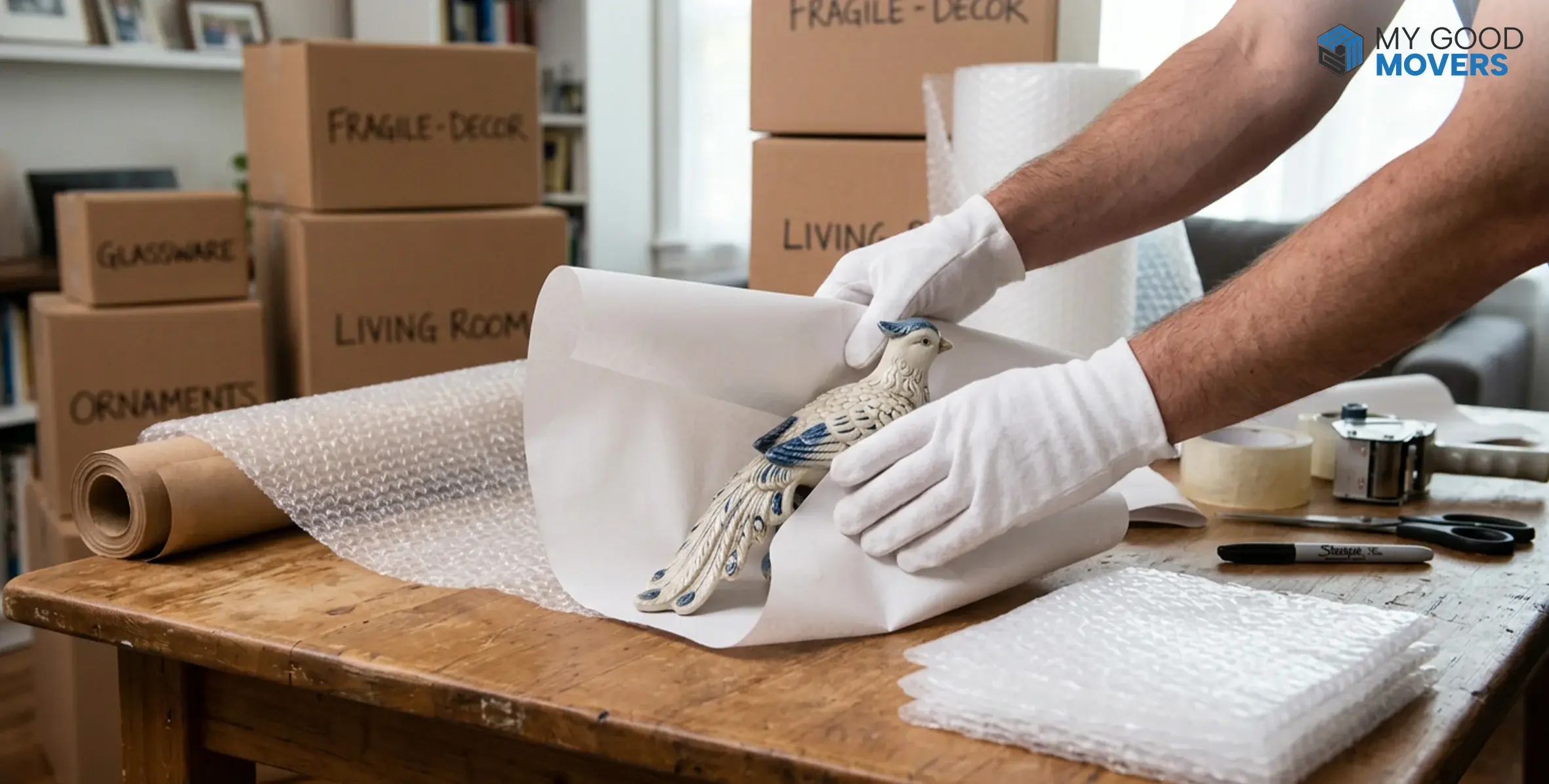
Start with packing paper. It protects the surface from scratches. Then add bubble wrap for shock protection. Use extra padding around corners, handles, stems, rims, and raised details.
A safe wrapping order looks like this:
- Cover the item with packing paper.
- Add bubble wrap around the full item.
- Protect corners and weak details with extra padding.
- Tape the wrapping gently so it stays in place.
- Keep tape away from painted, antique, wooden, or delicate surfaces.
45-Second Packing Rule: Proper wrapping usually takes less than a minute per item. Spending 45 extra seconds now is much easier than replacing a broken decor piece later.
Step 5: Place Items Inside the Box Carefully
A well-wrapped item can still break if it is placed badly inside the box. Placement controls pressure and movement.
Put heavier items at the bottom. Keep lighter items near the top. Do not let fragile pieces touch each other directly.
Fill spaces between items with packing paper, foam peanuts, air pillows, or soft cloth. The box should feel full, but not forced.
Step 6: Seal and Label Every Box Clearly
Sealing and labeling are often rushed because people feel tired near the end of packing. But this step is extremely important.
A fragile box that is not properly labeled may be stacked under heavier boxes during loading.
Use strong packing tape and seal every seam properly. Many movers use an H-pattern seal because it gives better support across the box flaps.
Correct Labeling on Every Fragile Box
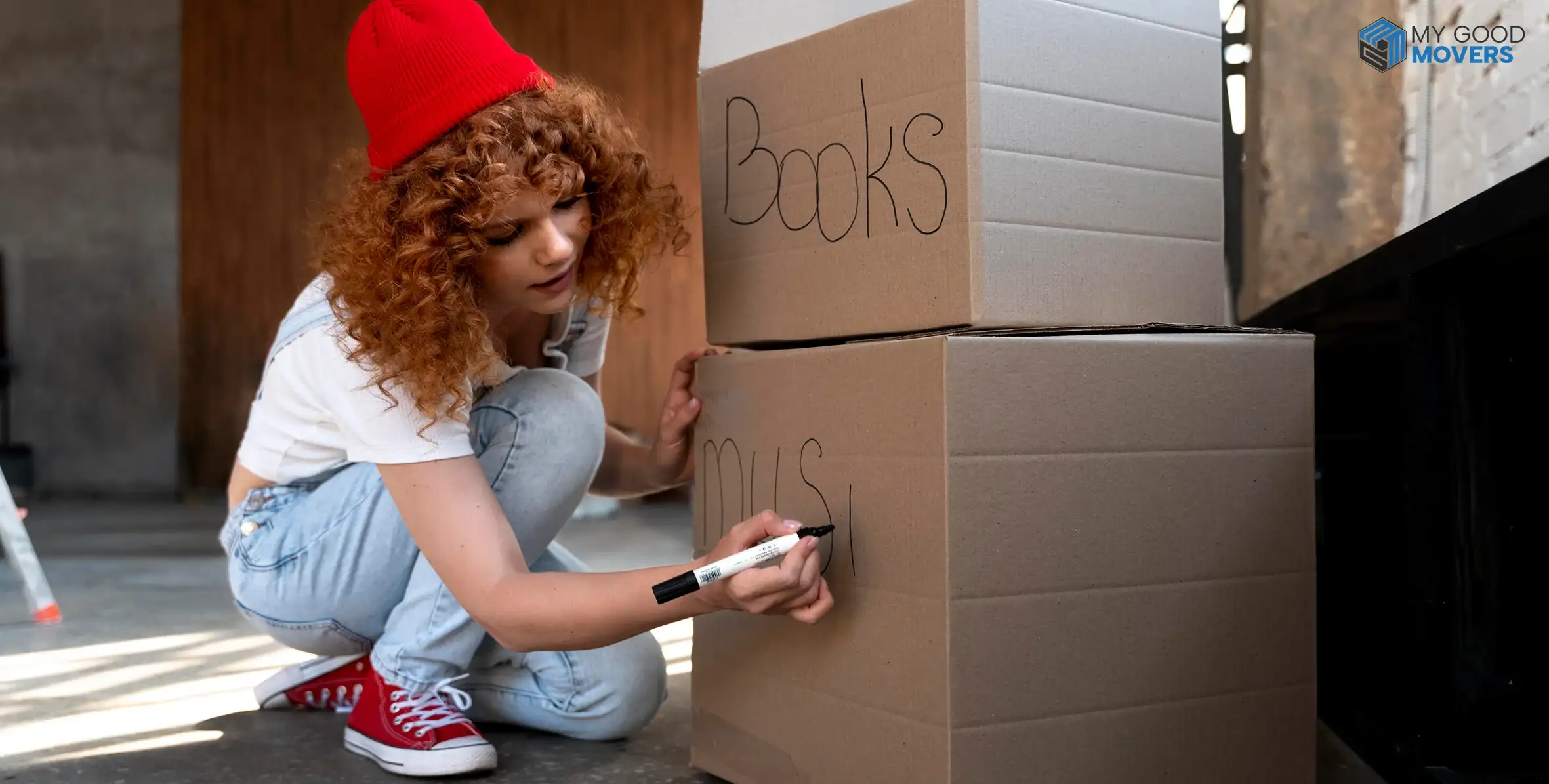
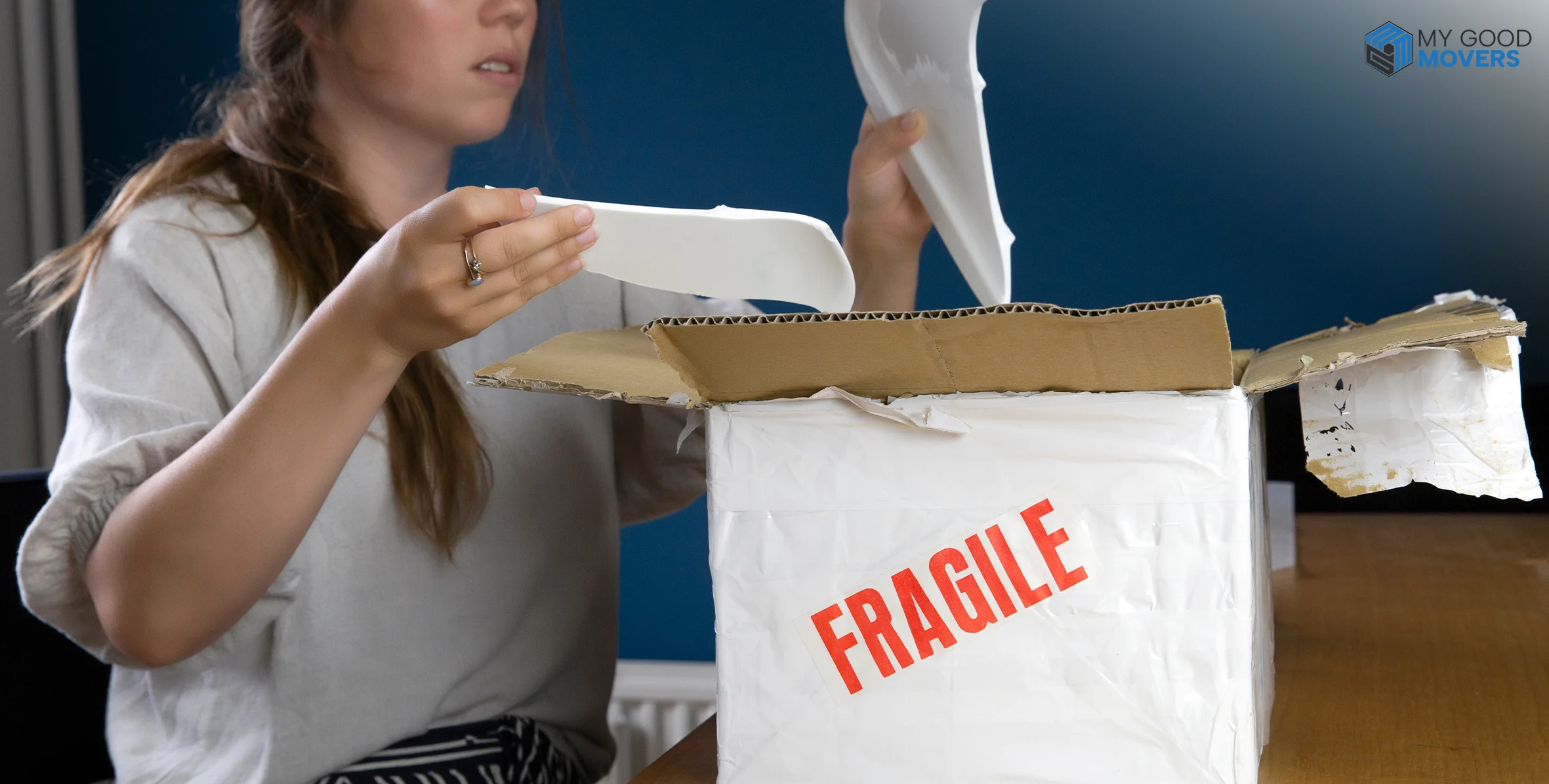
- Write FRAGILE on the top and at least two sides
- Add "This Side Up" arrows
- Write the destination room
- Add a short content description
- Mark "Do Not Stack" if needed
The Shake Test: After sealing the box, shake it gently once. If anything shifts inside, reopen the box and add more filler. This quick habit catches many packing mistakes before moving day.
Step 7: Keep High-Value Decor Separate
Some decorative pieces are too valuable or sentimental to place with regular packed boxes.
This includes:
- Family heirlooms
- Handmade artwork
- Rare collectibles
- Expensive decor
- Antique pieces
- Small emotional keepsakes
If possible, transport these items yourself rather than loading them into the moving truck.
Take clear photos before packing them. If you are hiring movers, ask about valuation coverage for fragile decorative items before moving day.
It becomes especially important during an interstate move where transportation distances are longer.
Step 8: Do One Final Packing Check
Before moving day, take a few minutes to review every decorative box one last time.
This final check helps catch small mistakes people miss while packing quickly.
Make sure:
- Every fragile item is wrapped separately
- Boxes are not overloaded
- Empty gaps are filled properly
- Labels are easy to see
- Mirrors and frames stay upright
- Heavy boxes are not stacked on fragile decor
- Valuable pieces are documented
This final review usually takes only a few minutes, but it can prevent expensive damage and unnecessary stress later.
Want a Complete Packing Plan?
Stop guessing what to pack next. Follow a clear packing plan that helps you move room by room without the usual last-minute chaos.
Read How to Pack for a MoveExtra Precautions to Take When Packing Valuable Decorative Items
Valuable decorative items need extra care because one small mistake can cause real damage.
Here is when you should be more careful.
When to Use Extra Protection
Use extra protection when:
- The item is made of glass, crystal, ceramic, or porcelain.
- The item has thin parts, sharp corners, handles, or carved details.
- The item has a painted, polished, mirrored, or glossy surface.
- The item is antique, handmade, imported, or hard to replace.
- The move is long-distance.
- The item will go into storage.
When to Keep Items With You Instead of the Moving Truck
Keep items with you when:
- The item is small but expensive.
- The item has strong sentimental value.
- The item is very delicate and can break under pressure.
- The item can be damaged by heat.
- The item is part of a valuable collection.
When to Consider Professional Packing
Consider professional packing when:
- The item is large, heavy, or awkward to lift.
- The item is too valuable to risk with basic packing. This is where the best packing and moving companies can be helpful.
- The item needs a custom box or crate.
- The item has many fragile details.
- You are not confident about packing it yourself.
Common Mistakes to Avoid When Packing Decorative Items
Small mistakes can easily damage decorative items during a move. Here are the mistakes people usually make and what you should avoid.
- Using boxes that are too large: Big boxes leave too much space inside. This makes decorative items move around and hit the sides.
- Putting too many items in one box: Fragile décor should not be packed under too much weight. A heavy box is also harder to carry safely.
- Not adding padding at the bottom: Decorative items should not sit directly on the cardboard. Add paper, foam, or towels first to soften the base.
- Wrapping items together: Do not wrap two fragile pieces in the same layer. They can rub, scratch, or break during the move.
- Leaving empty spaces inside the box: Empty gaps let items shift while the truck is moving. Fill the spaces with paper, bubble wrap, or soft cloth.
- Using weak tape: Thin tape can open under weight. Use strong packing tape, especially on the bottom of the box.
- Forgetting to label the box: If the box is not marked fragile, it may be handled like a regular box. Write "Fragile" and "This Side Up" clearly.
- Stacking heavy boxes on top: Do not place heavy boxes over decorative items. The pressure can crack glass, frames, ceramics, and mirrors.
Should You Hire Professional Movers for Decorative Items?
You do not need professional movers for every decorative item. Hire them only when the item is too fragile, too heavy, too valuable, or too difficult to pack safely on your own.
When DIY Packing Is Enough
DIY packing is enough when:
- The item is small and easy to handle.
- The item is not very expensive or rare.
- You have proper wrapping, padding, and boxes.
- The shape is simple and not too delicate.
- You feel confident packing it without rushing.
When Professional Packing Is Safer
Professional packing is safer when:
- The item is large, heavy, or awkward to lift.
- The item is antique, costly, or hard to replace.
- The item has glass, thin parts, or delicate details.
- The item needs a custom box, crate, or special handling.
- You are moving long-distance and want extra protection.