


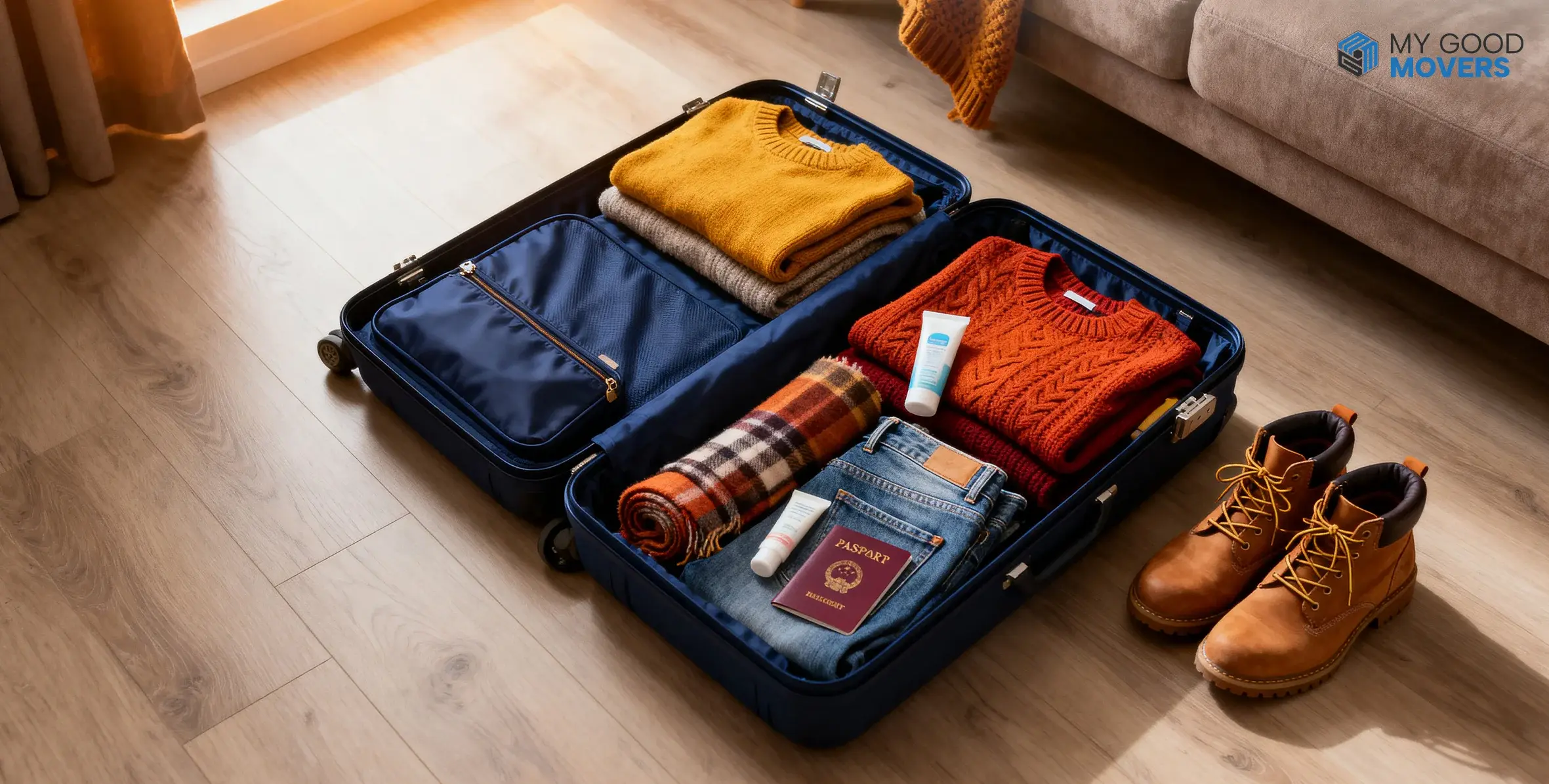
"Moving looks simple until your whole life has to fit into a few bags." That is why it would benefit you if you learn how to pack a suitcase the right way.
You are not just folding clothes for a weekend trip. You are trying to protect your essentials, save space, keep things easy to find, and make sure the first few days in your new place do not feel like a treasure hunt.
In the U.S., moving is still a common part of life. So whether you are moving across town or starting over in a new city, your suitcase can become one of the most useful tools in the entire move.
The problem is that most people pack a suitcase for travel, not for moving. They throw in clothes, squeeze the zipper shut, and hope everything survives the trip.
But how to pack a suitcase for moving is different. You need a smarter system, not a heavier suitcase.
What Makes Packing a Suitcase for Moving Different from Packing for Travel?
Packing for travel is mostly about outfits and comfort. Packing for moving is about access, protection, and organization. That is why suitcase packing for a move needs a different approach.
You Are Packing for Function, Not Just Outfits
When you travel, you usually pack clothes by days, events, or weather. When you move, your suitcase needs to support your real life during the transition. In moving, the suitcase becomes your “first access” bag, not just your clothing bag.
You Need Essentials Within Reach
For travel, it is fine if some things are buried at the bottom because you can unpack at the hotel. During a move, that can become frustrating fast. If your toothbrush, phone charger, clean clothes, or keys are hard to find, the first night becomes more stressful.
The Suitcase May Carry Heavier Items Than Usual
A travel suitcase usually carries clothes and personal items. A moving suitcase carries books, small electronics, shoes, documents, tools, or household items. That changes the way you pack.
Protection Matters More
On a trip, your suitcase may only go from your home to a car, airport, or hotel. During a move, it may be stacked, shifted, rolled over rough surfaces, or placed between boxes. That is why fragile items, liquids, and valuables need more care.
Organization Is More Important
Travel packing focuses on neat outfits and saving space. Moving packing focuses on finding things quickly. You need to group items in an organized way that makes sense when you arrive.
First, Plan What Your Suitcase Needs to Do
Before you start packing, pause for a minute and ask yourself one simple question: what is this suitcase actually for?
A suitcase for moving clothes is not the same as a suitcase for your first night, and it is not the same as a suitcase you are using for storage.
1. Is This Suitcase for Moving Your Main Items?
If the suitcase is mainly for moving clothes, shoes, towels, or personal items, focus on space and weight balance. Here you need to learn how to pack for a move, because you want everything to fit well, but you also want the suitcase to be easy to lift and roll.
2. Is This Your First-Night Essentials Suitcase?
If this suitcase is for your first night in the new place, keep it simple. Pack only what you will need right away, like clean clothes, toiletries, chargers, medicine, sleepwear, basic documents, and anything you do not want to search for later.
3. Is This Suitcase for Storage?
If you are using the suitcase for storage, pack items you will not need immediately. This could include seasonal clothes, extra bedding, off-season shoes, or backup items.
Check Suitcase Size, Weight Limit, and Durability
| Suitcase Type | Common Size | Ideal Packed Weight | Best Use |
|---|---|---|---|
| Carry-on suitcase | 20 to 22 inches | 15 to 25 lbs | Essentials, documents, toiletries, chargers, 2 to 3 outfits |
| Medium suitcase | 24 to 26 inches | 25 to 40 lbs | Clothes, shoes, towels, daily-use items |
| Large suitcase | 28 to 32 inches | 40 to 50 lbs | Bulky clothes, bedding, jackets, seasonal items |
| Hard-shell suitcase | 20 to 32 inches | Up to 50 lbs | Fragile items, electronics, valuables, long-distance moving |
| Soft-shell suitcase | 20 to 32 inches | 25 to 45 lbs | Clothes, fabric items, flexible packing |
| Old or weak suitcase | Any size | Under 25 lbs | Light clothes only |
Things You Can Pack in a Suitcase When Moving
Once you know the purpose, it becomes much easier to decide what to pack in a suitcase when moving.
| Things You Can Pack | Best Examples | Why It Works in a Suitcase |
|---|---|---|
| Clothes | T-shirts, jeans, pajamas, underwear, socks, work clothes | Easy to fold, roll, organize, and unpack. |
| First-night essentials | Sleepwear, fresh outfit, toothbrush, face wash, phone charger | Keeps important items easy to find after the move. |
| Shoes | Sneakers, sandals, flats, dress shoes | Fit well along suitcase edges and corners. |
| Toiletries | Shampoo, soap, deodorant, skincare, shaving items | Good for short-term use if packed in leak-proof bags. |
| Documents | ID, lease papers, passport, insurance papers, moving paperwork | Safer to keep close instead of packing in random boxes. |
| Electronics | Laptop, tablet, chargers, headphones, power bank | Easier to protect and access during the move. |
| Towels and small bedding | Towels, pillowcases, light blankets, sheets | Soft items fill space well and add padding. |
| Accessories | Belts, scarves, hats, jewelry, pouches, watches | Small items are easier to group inside pockets or packing cubes. |
| Medications | Daily medicine, pain relievers, vitamins, prescriptions | Important items should be easy to reach. |
| Small valuables | Sentimental items, small keepsakes, expensive personal items | Better kept in a suitcase you can personally handle. |
A simple way to think about suitcase packing is this: pack the things you would be frustrated to lose, damage, or search for on the first day in your new home.
What Not to Pack in a Suitcase for Moving
Not everything belongs in a suitcase. Some items can damage the suitcase, leak onto your clothes, break during the move, or become hard to carry.
| What Not to Pack | Examples | Why You Should Avoid It |
|---|---|---|
| Very heavy items | Dumbbells, large books, tools, heavy kitchenware | They can damage the wheels, handle, zipper, or suitcase shell. |
| Loose liquids | Open bottles, cleaning sprays, oils, paint, and full-size shampoos | They can leak and ruin clothes, documents, or electronics. |
| Sharp items | Knives, scissors, loose razors, open tools | They can tear clothes, damage the suitcase lining, or cause injury. |
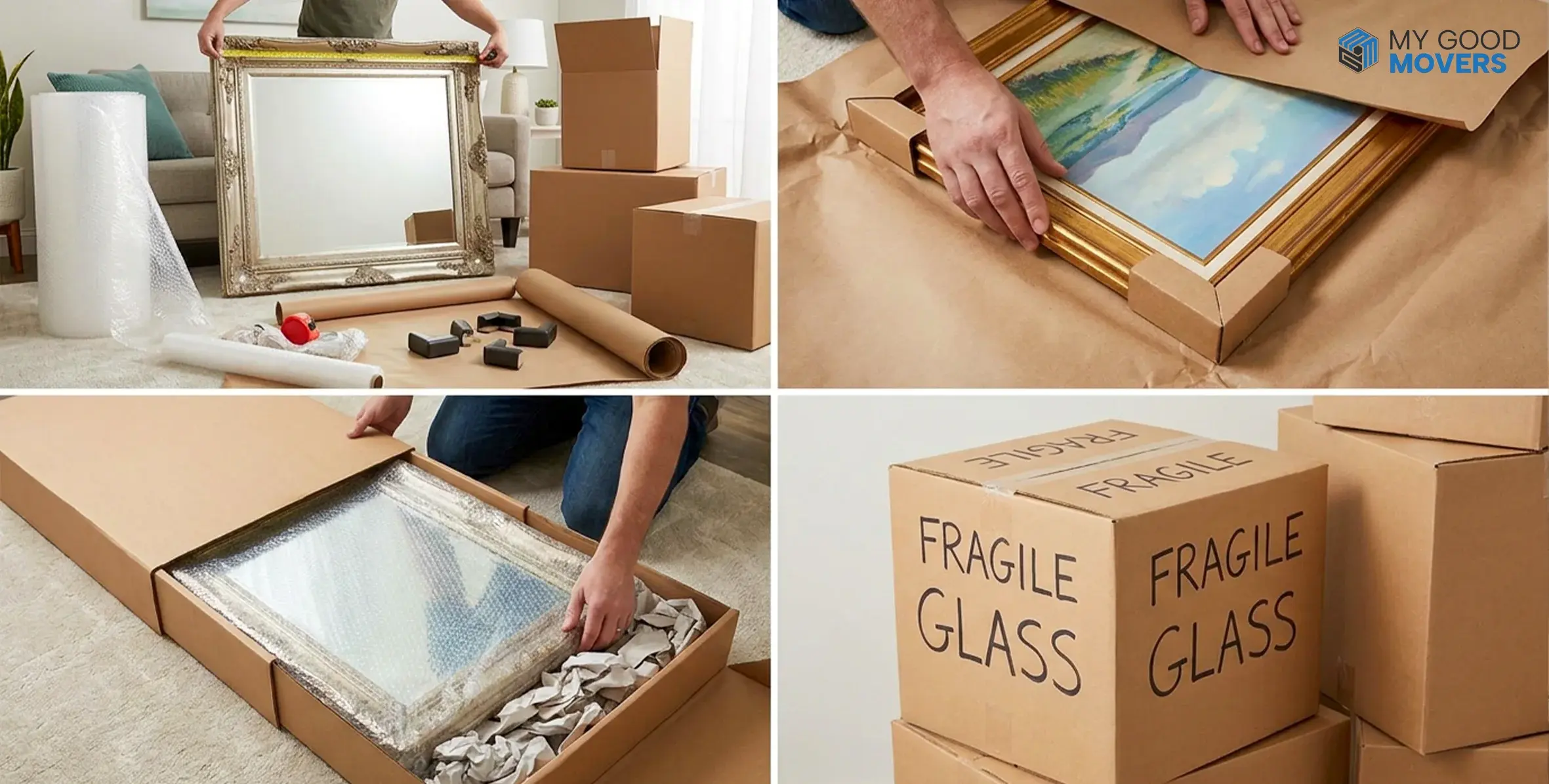
| Unprotected fragile items | Glassware, mirrors, ceramics, picture frames | They can break if the suitcase is stacked or dropped. |
| Perishable food | Fresh food, frozen items, dairy, leftovers | It can spoil, smell, leak, or attract pests. |
| Important items you need immediately | Keys, wallet, medication, phone charger, lease papers | These should stay in a personal bag or first-night suitcase, not buried inside. |
| Large electronics | Desktop computers, monitors, printers, and gaming consoles | They need stronger padding and are safer in original boxes or padded bins. |
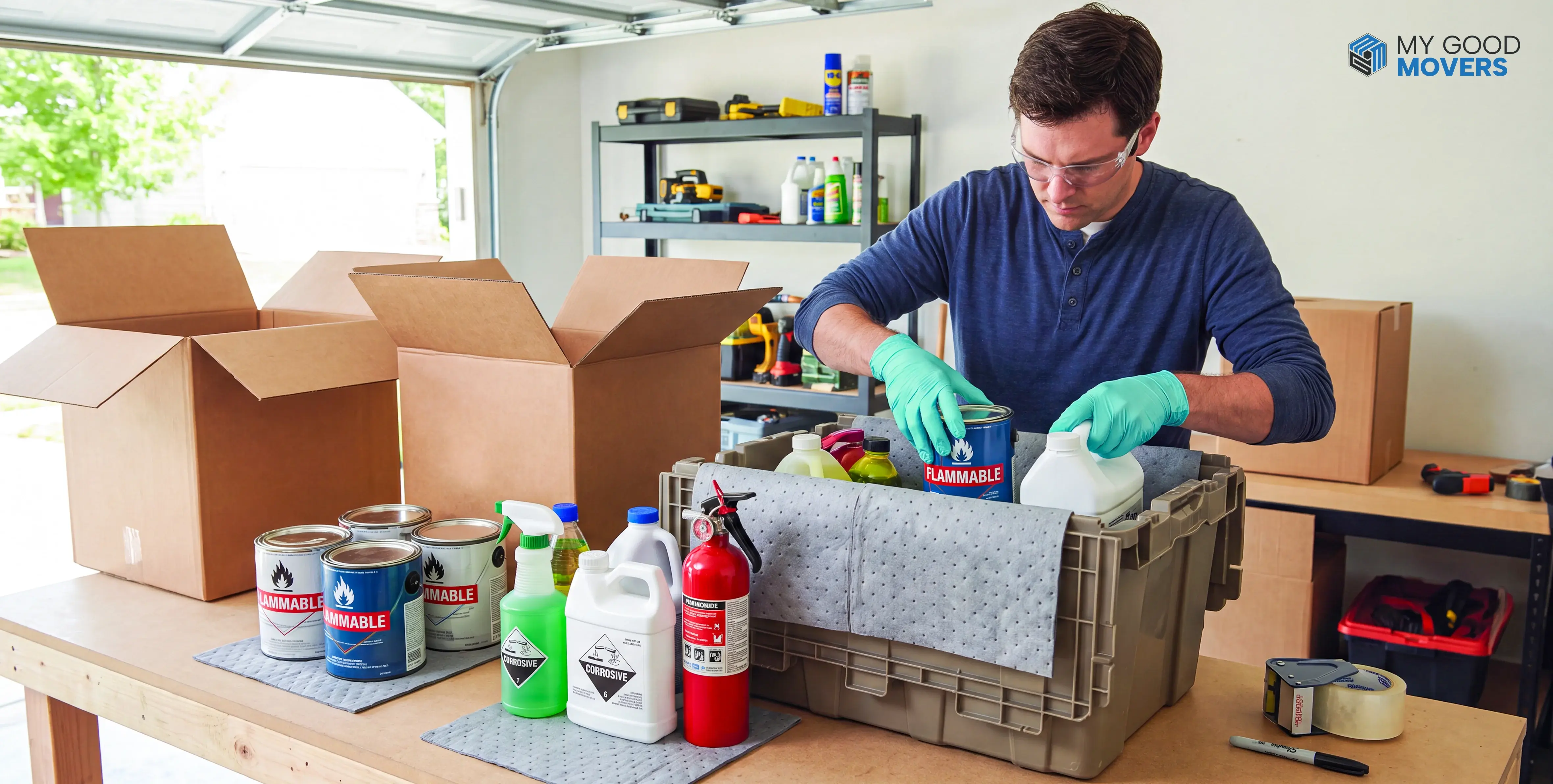
| Hazardous items | Paint thinner, chemicals, aerosols, flammable products | These can be unsafe during transport and may be restricted by movers. |
| Wet or dirty items | Damp towels, dirty shoes, used cleaning cloths | They can create odor, stains, or mildew inside the suitcase. |
How to Pack a Suitcase for Moving | Step-by-Step
Now that you know what belongs in your suitcase and what should stay out, let’s pack it in the right order.
Follow these steps carefully so the weight stays balanced, and you do not have to unpack the whole suitcase just to find one thing.
Step 1: Empty the Suitcase and Check It First
Before you put anything inside, empty the suitcase completely. Check the pockets, corners, zipper area, and lining.
Then check the condition of the suitcase:
- Are the wheels rolling properly?
- Is the handle strong?
- Does the zipper close smoothly?
- Are the corners cracked or weak?
- Is there any smell inside?
Quick Suitcase Check
If the suitcase already feels hard to zip when it is empty or lightly packed, do not trust it with your important items. If the suitcase is weak, do not fill it with heavy items. Use it only for clothes, towels, or bedding.
Step 2: Decide the Purpose of This Suitcase
Do not start by asking, “What can I fit in here?” Start by asking, “What do I need this suitcase to do?”
Your suitcase should usually have one clear purpose:
- Essentials suitcase for the first night
- Clothing suitcase for daily wear
- Work or school suitcase for documents and electronics
- Storage suitcase for items you will not need right away
- Family suitcase for kids’ or shared items
For example, if this is your first-night suitcase, it should not be full of winter coats and extra bedding. If it is for clothes, it should not have loose tools and heavy books inside.
When the purpose is clear, suitcase packing becomes much easier.
Step 3: Make Three Simple Piles Before Packing
Now place everything on the bed or floor and divide it into three piles.
Pile 1: Need immediately
These are things you may need on moving day or the first night, such as toiletries, chargers, medicine, pajamas, clean clothes, keys, and documents.
Pile 2: Need soon
These are items you may need within the first few days, such as work clothes, extra outfits, shoes, towels, or basic personal items.
Pile 3: Can wait
These are things you do not need right away, such as seasonal clothes, extra accessories, backup products, or special-occasion items.
Step 4: Start with the Heavy Items Near the Wheels
Place heavier items at the bottom of the suitcase, close to the wheels. This helps the suitcase stand better, roll better, and feel more balanced.
Good items for the bottom area include:
- Shoes
- Jeans
- Hoodies
- Small toiletry bags
- Hair tools
- Books, only if they are light and limited
- Small electronics in protective cases
Do not put heavy items near the top of the suitcase. When you stand the suitcase upright, it can press down on softer items and wrinkle clothes or damage fragile things.
Step 5: Pack Clothes Based on Fabric, Not Habit
A lot of people pack every clothing item the same way. That is where the suitcase becomes bulky and messy.
The better way is to pack clothes based on the type of fabric.
- For casual clothes, rolling usually works well. T-shirts, leggings, pajamas, gym clothes, and soft tops can be rolled tightly to save space.
- For thicker clothes, fold them flat. Jeans, sweaters, hoodies, and jackets take up more room when rolled too tightly.
- For formal clothes, fold carefully and place them near the top. Dress shirts, blazers, trousers, and delicate fabrics should not be crushed under heavy items.
Wrinkle-Saving Tip
For work clothes or formal outfits, place a thin layer of tissue paper, a dry-cleaning bag, or a soft shirt between folds. This can help reduce deep creases.
Step 6: Use Packing Cubes or Bags to Keep Categories Together
Packing cubes, zipper bags, or small fabric organizers can make a big difference. They stop your suitcase from becoming one large pile of mixed items.
You can organize by category:
- One cube for underwear and socks
- One cube for shirts
- One cube for pants
- One pouch for chargers
- One pouch for toiletries
- One bag for laundry or used clothes
You can also organize by day. For example, if you are moving and starting work quickly, you can pack one outfit per cube. That way, you do not have to search through the whole suitcase every morning.
Step 7: Use Vacuum Bags Only for the Right Items
Vacuum bags are useful, but only when you use them correctly. They work best for bulky, soft items that you do not need immediately.
Good items for vacuum bags include:
- Sweaters
- Jackets
- Hoodies
- Extra bedding
- Seasonal clothes
- Towels
- Soft blankets
Space vs Weight
Do not overfill your suitcase just because vacuum bags create more space. More space does not always mean more safe weight. You still need to lift, roll, and close the suitcase without forcing it.
Step 8: Pack Shoes Along the Edges
Shoes take up awkward space, so do not place them randomly in the middle. Put them along the edges or near the wheel side of the suitcase.
For example, sneakers can go near the bottom edges, sandals can slide into flat spaces, and dress shoes should be wrapped separately so they do not get scratched.
Before packing shoes:
- Clean the soles
- Place each pair in a shoe bag, grocery bag, or cloth bag
- Stuff socks inside the shoes to save space
- Keep delicate shoes away from heavy items
Step 9: Protect Toiletries and Liquids Before They Go Inside
Toiletries can ruin an entire suitcase if they leak. A little shampoo or face wash can spread quickly through clothes, documents, and fabric lining.
Before packing liquids:
- Tighten every cap
- Place plastic wrap under bottle caps if needed
- Use leak-proof toiletry bags
- Keep bottles upright when possible
- Pack only what you need for the first few days
Step 10: Keep Documents, Chargers, and Valuables in One Safe Area
Important items should not be scattered throughout the suitcase. Keep them together in one folder, pouch, or inside pocket.
This may include:
- Lease papers
- ID cards
- Passport
- Insurance documents
- Moving paperwork
- Laptop charger
- Phone charger
- Power bank
- Small valuables
- Medication
Step 11: Fill Empty Gaps with Small Soft Items
Once the main items are packed, look for empty spaces. These gaps are usually around shoes, corners, handles, and the sides of the suitcase.
Use small soft items to fill them:
- Socks
- Underwear
- Scarves
- Belts
- Tank tops
- Small towels
- Beanies
- Soft accessories
Step 12: Keep First-Use Items on Top
The top layer of the suitcase should be for the things you will probably need first.
This can include:
- Pajamas
- Toothbrush
- Fresh outfit
- Phone charger
- Medicine
- Basic toiletries
- Towel
- Important papers
Step 13: Do a Final Weight and Zipper Check
Before you finish, close the suitcase without forcing it. If you have to sit on it, push the zipper hard, or pull the fabric together with pressure, it is too full.
Do this quick check:
- Can the zipper close smoothly?
- Can you lift the suitcase without struggling?
- Does it roll straight?
- Does the handle feel stable?
- Is the suitcase bulging?
- Are fragile items protected from pressure?
If something feels wrong, remove a few items. A slightly lighter suitcase is better than a broken zipper on moving day.
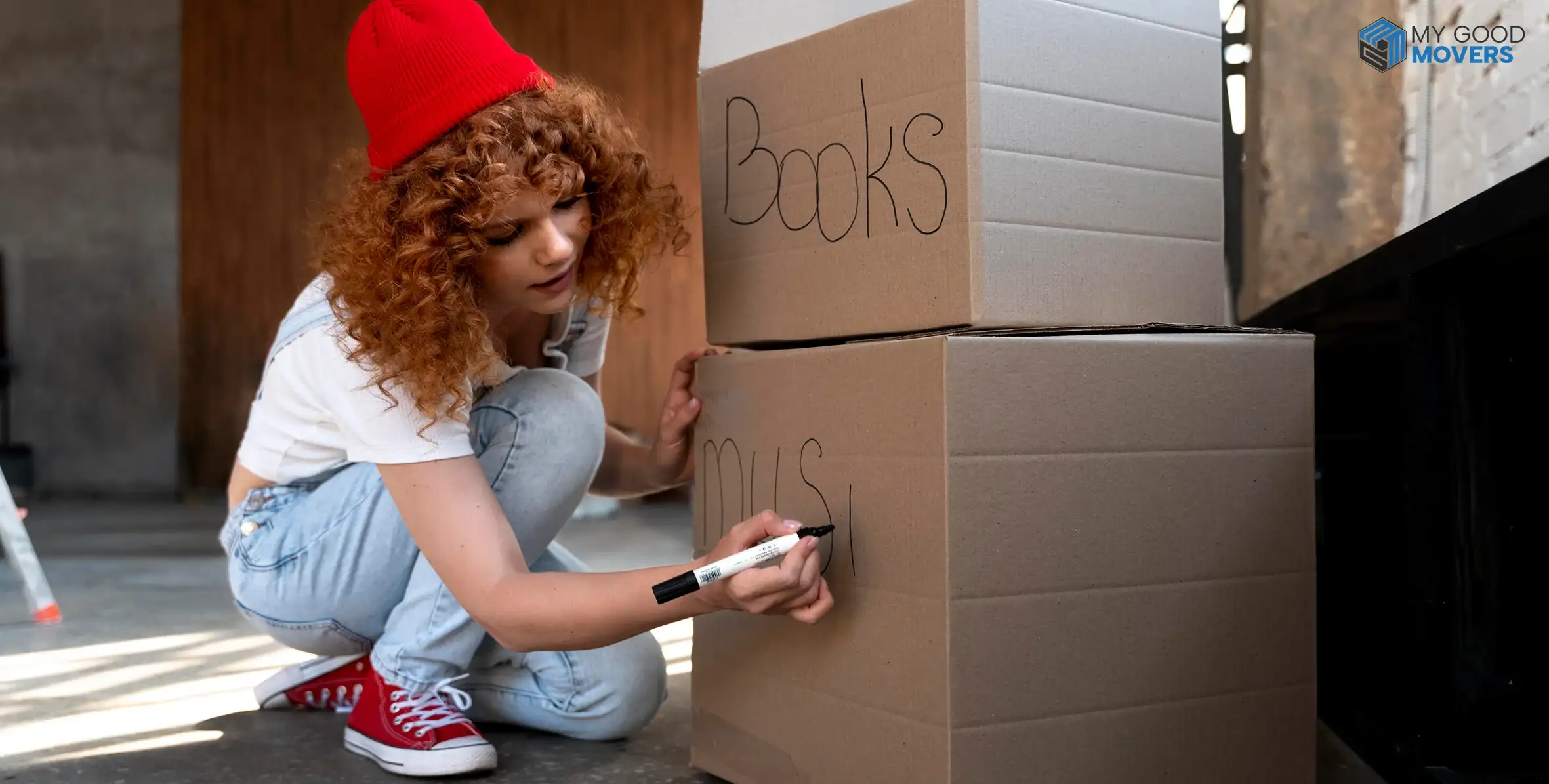
Step 14: Label the Suitcase Before Moving Day
Even if you only have two or three suitcases, label them. Moving day gets busy, and bags can look similar when everything is stacked together.
You can label by purpose:
- First-night essentials
- Work clothes
- Kids’ clothes
- Toiletries
- Winter clothes
- Important documents
- Bedroom items
Want a Complete Packing Plan?
Stop guessing what to pack next. Follow a clear packing plan that helps you move room by room without the usual last-minute chaos.
Read How to Pack for a MovePacking Different Items in Your Moving Suitcase
How to Pack Clothes in a Suitcase for Moving
For clothes, the goal is simple: keep them compact, clean, and easy to pull out when you need them. Here are the best ways to do it.
| Clothing Type | Best Packing Method | Why It Works |
|---|---|---|
| T-shirts, pajamas, leggings | Roll them | Saves space and makes them easy to see |
| Jeans, hoodies, sweaters | Fold them flat | Keeps bulky items from taking too much room |
| Shirts, dresses, trousers | Fold carefully and keep on top | Helps reduce wrinkles |
| Underwear and socks | Pack in small pouches or gaps | Keeps small items together |
| Jackets and coats | Use compression or vacuum bags | Reduces bulk in the suitcase |
Roll Soft Everyday Clothes
Roll casual clothes like T-shirts, sleepwear, gym clothes, and leggings. These items do not wrinkle as easily, and rolling helps you fit more into the suitcase.
Fold Bulky Clothes Flat
For jeans, sweaters, hoodies, and thick pants, folding works better than rolling. These clothes take up too much space when rolled, so keep them flat.
Keep Wrinkle-Prone Clothes on Top
Dress shirts, blouses, trousers, skirts, and formal clothes should go near the top. Do not place shoes, toiletries, or heavy items over them.
Group Clothes by Use
When packing clothes for moving, do not mix everything randomly. Group them by purpose so you can find what you need faster.
- First 2 to 3 days of clothes
- Work or school clothes
- Comfortable unpacking clothes
- Seasonal clothes
- Laundry or older clothes
How to Pack Shoes in a Suitcase for Moving
Shoes can easily make a suitcase dirty, bulky, and unbalanced if you pack them the wrong way.
| Shoe Type | Best Packing Method | Why It Works |
|---|---|---|
| Sneakers | Place near the wheels or edges | Adds balance and uses corner space |
| Sandals and flats | Slide into side gaps | Saves space without adding bulk |
| Dress shoes | Wrap separately and place carefully | Prevents scratches and shape damage |
| Boots | Pack at the bottom if space allows | Keeps heavy shoes from pressing on clothes |
| Kids’ shoes | Pack inside small bags or pouches | Keeps pairs together and easy to find |
Clean the Soles First
Never pack shoes straight from the floor into the suitcase. Wipe the soles with a damp cloth so dirt, dust, or small stones do not transfer onto your clothes.
Wrap Each Pair Separately
Use shoe bags, plastic grocery bags, shower caps, or cloth bags. This keeps the dirty part of the shoes away from clean clothes and prevents scuff marks.
Stuff Shoes with Small Items
Use the inside of shoes for socks, belts, chargers, or small soft items. This saves space and also keeps their shape during the move.
Place Heavy Shoes Near the Wheels
Sneakers, boots, and heavier shoes should go near the wheel side of the suitcase. This keeps the suitcase balanced when you roll it.
How to Pack Toiletries and Liquids Safely
Toiletries are small, but they can create the biggest mess if they leak.
| Toiletry Type | Best Packing Method | Why It Works |
|---|---|---|
| Shampoo, conditioner, body wash | Seal caps and place in a leak-proof bag | Prevents spills from spreading |
| Skincare and lotions | Pack upright in a toiletry pouch | Reduces pressure on bottles |
| Toothbrush and toothpaste | Keep in a separate small pouch | Easy to access on the first night |
| Perfume or glass bottles | Wrap in a sock or soft cloth | Adds padding and prevents breakage |
| Razors and grooming tools | Cover blades and pack separately | Prevents cuts and fabric damage |
Tighten and Seal Every Bottle
Before packing, check every cap. For extra safety, place a small piece of plastic wrap under the cap before closing it. This helps stop leaks if the bottle gets squeezed during the move.
Use a Leak-Proof Toiletry Bag
Do not place liquids directly into the suitcase. Use a toiletry bag, zipper bag, or waterproof pouch so one spill does not ruin everything around it.
Keep Liquids Away from Clothes and Papers
Avoid packing toiletries beside documents, electronics, or wrinkle-prone clothes. If possible, place them in an outside pocket or at the top of the suitcase.
Pack Only What You Need First
For moving, you do not need every full-size product in your suitcase. Pack the items you will use during the first few days.
How to Pack Fragile Items in a Suitcase
Fragile items can go in a suitcase, but only if they are small, properly padded, and not placed near pressure points.
| Fragile Item Type | Best Packing Method | Why It Works |
|---|---|---|
| Small glass items | Wrap in clothes or bubble wrap | Adds soft protection around the item |
| Picture frames | Place flat between soft layers | Reduces pressure on the glass |
| Mugs or small dishes | Wrap individually and fill empty space | Prevents contact and movement |
| Perfume or glass bottles | Wrap in socks or towels | Protects against cracking or leaking |
| Small decor items | Pack in the center of the suitcase | Keeps them away from edges and impact |
Wrap Each Item Separately
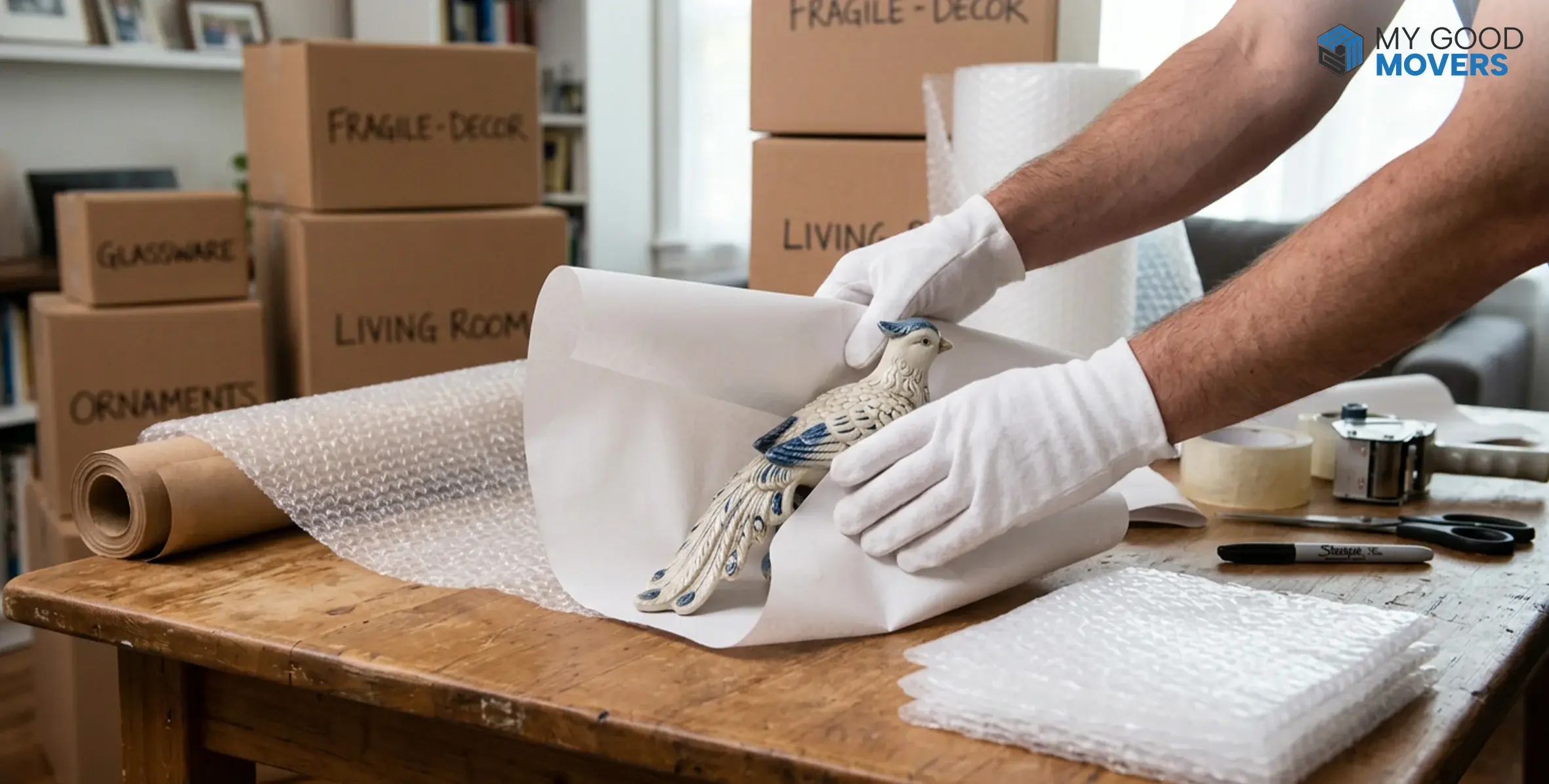
Do not let fragile items touch each other directly. Wrap each piece in a soft shirt, towel, sock, bubble wrap, or packing paper before placing it in the suitcase.
Use the Center of the Suitcase
The safest spot is the middle of the suitcase, surrounded by clothes. Avoid the edges, corners, wheels, and handle side because those areas take more impact during moving.
Fill Empty Spaces Around the Item
If a fragile item can move, it can break. Use socks, underwear, small towels, or soft clothes to fill gaps around it so it stays in one place.
Keep Fragile Items Away from Heavy Items
Do not place fragile items under shoes, books, toiletries, or electronics. Heavy items can press into them when the suitcase is lifted or stood upright.
How to Pack Important Documents and Valuables
Documents and valuables should be packed for access first, protection second, and privacy third. These are the items you do not want buried, bent, lost, or handled carelessly during the move.
| Item Type | Best Packing Method | Why It Works |
|---|---|---|
| IDs and passports | Keep in a waterproof folder | Protects from spills and bending |
| Home papers | Pack in a flat document sleeve | Keeps important moving papers easy to find |
| Jewelry and watches | Use small pouches or cases | Prevents tangling, scratches, and loss |
| Cash and cards | Keep in a personal bag or inside pocket | Reduces risk of misplacement |
| Small electronics | Use padded sleeves or cases | Protects screens, corners, and cables |
Keep Documents in One Folder
Use one folder, envelope, or document organizer for IDs, passports, insurance documents, medical records, school papers, and moving paperwork.
Use a Waterproof Sleeve
A simple waterproof pouch can protect your papers from toiletry leaks, rain, or accidental spills. This is especially useful if your suitcase also has liquids inside.
Keep Valuables in Small Cases
Jewelry, watches, small keepsakes, and expensive accessories should go in separate pouches or hard cases. This keeps them from scratching each other or getting lost inside clothes.
Use an Inside Pocket for Privacy
Place important documents and valuables in an inside zipper pocket if your suitcase has one. It keeps them hidden and secure.
How to Save Space When Packing a Suitcase
Saving space is not about forcing more things into the suitcase. It is about packing in a way that uses every small area without making the suitcase heavy, messy, or hard to close.
Here are the best ways to do it.
Roll Soft Clothes
Roll T-shirts, pajamas, leggings, workout clothes, and casual tops. Rolled clothes take less space and are easier to arrange in rows.
Fold Bulky Items Flat
Do not roll jeans, hoodies, sweaters, or jackets unless they are thin. Fold them flat so they sit better inside the suitcase and do not create big lumps.
Use Packing Cubes
Packing cubes help compress clothes slightly and keep categories together. They also stop the suitcase from turning into one big pile when you open it.
Use Vacuum Bags for Bulky Items
Use vacuum bags for jackets, sweaters, bedding, towels, and seasonal clothes. They are helpful when you need more space, but remember that they reduce bulk, not weight.
Fill Empty Gaps
Use socks, underwear, belts, scarves, or small soft items to fill corners, side gaps, and spaces around shoes.
Pack Inside Shoes
Shoes have empty space inside them. Use that space for socks, small accessories, chargers, or other soft items.
Remove Duplicate Items
Do not pack three versions of the same thing unless you truly need them. Extra toiletries, extra shoes, and “just in case” clothes take up space fast.
Suitcase Packing Tips for Different Moving Situations
Different moves need different packing choices. A local move, college move, and international move should not be packed the same way. Use these tips based on your situation.
How to Pack a Suitcase for a Local Move
For a local move, your suitcase should focus on quick access, not long-term storage.
- Pack clothes and toiletries for 1 to 2 days.
- Keep chargers, medicine, keys, and documents near the top.
- Use the suitcase for items you do not want lost in boxes.
- Avoid overpacking because you can usually make another trip if needed.
- Keep one suitcase only for first-night essentials.
How to Pack a Suitcase for a Long-Distance Move
For a long-distance move, pack as if you may not open your boxes immediately.
- Pack clothes for at least 3 to 5 days.
- Keep important documents, valuables, and electronics with you.
- Use strong bags or pouches inside the suitcase to separate items.
- Pack toiletries in leak-proof bags.
- Keep weather-appropriate clothes easy to reach.
- Avoid packing fragile items unless they are well protected.
How to Pack a Suitcase for College Moving
For college, the suitcase should carry the things you need before your dorm or apartment is fully set up.
- Pack daily clothes, sleepwear, shower items, and basic grooming products.
- Keep chargers, laptop accessories, student ID, and documents together.
- Add one towel, basic bedding, and a small laundry bag.
- Use packing cubes to separate clothes by type.
- Do not fill the suitcase with things your dorm may not have space for.
How to Pack a Suitcase for Moving Abroad
For moving abroad, the suitcase should cover your first days in a new country and protect anything hard to replace.
- Pack important documents in a waterproof folder.
- Keep passport, visa papers, IDs, and travel documents in your personal bag.
- Pack clothes for the local weather.
- Bring only essential toiletries because liquids take space and weight.
- Keep chargers, adapters, medication, and valuables easy to access.
- Check airline baggage weight rules before packing.
How to Pack When Moving Without Boxes
If you are moving without boxes, suitcases become more important for organization.
- Use large suitcases for clothes, bedding, and towels.
- Use small suitcases for heavier items like shoes, books, or electronics.
- Use backpacks and tote bags for daily-use items.
- Group items by room or category.
- Label each suitcase so you know what is inside.
- Do not mix liquids, documents, and clothes in the same open space.
Common Mistakes to Avoid When Packing a Suitcase for Moving
Even a good suitcase can become a problem if it is packed the wrong way. These are the common mistakes that make moving harder than it needs to be.
Packing Without a Clear Purpose
Do not pack random items just because they fit. Decide first whether the suitcase is for essentials, clothes, storage, documents, or first-night items.
Overpacking the Suitcase
If you have to sit on the suitcase to close it, it is too full. Overpacking can break the zipper, damage the wheels, and make the suitcase hard to move.
Putting Heavy Items at the Top
Heavy items should not sit on top of clothes, fragile items, or toiletries. They can crush soft items and make the suitcase unbalanced when you roll it.
Mixing Liquids with Clothes
Toiletries and liquids should never be loose inside the suitcase. One leaking bottle can ruin clothes, papers, and fabric lining.
Packing Shoes Without Covering Them
Shoes can carry dirt, dust, and odor. Always wrap them or place them in bags before putting them near clean clothes.