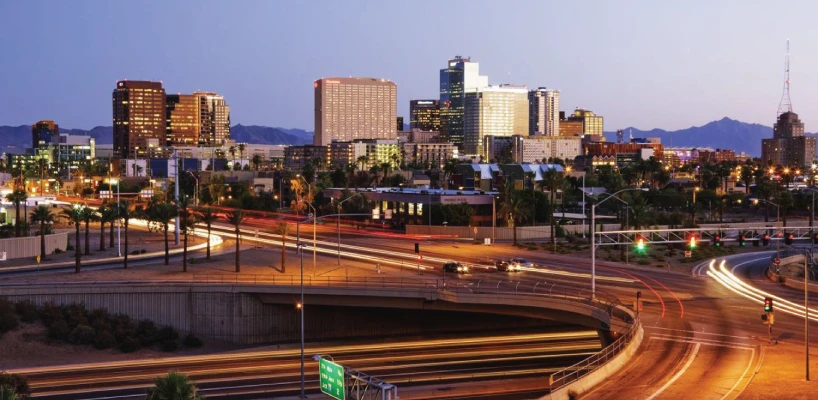




You don’t just move to Houston — you arrive with a purpose and leave with a story.
If you’re even thinking about moving to Houston, you’re not just looking for a new zip code — you’re chasing a whole new lifestyle.
In 2026, Houston is expected to welcome over 118,000 new residents, which makes it one of the fastest-growing cities in the U.S. That’s not just a trend — that’s a movement.
And if you’re reading this, you’re already halfway packed (mentally, at least).
But moving to a new city isn't just about finding a place to crash and Googling the nearest taco joint (although Houston's taco game is elite It’s about knowing the lay of the land.
The cost of living in Houston, the job scene and the neighborhoods that vibe with your lifestyle. This city doesn’t play by the rules, and that’s exactly why people love it.
This guide is not your average “here’s a list of zip codes and weather stats” kind of thing. This is your complete Houston relocation guide.
We will discuss how to move to Houston, the best places to live in Houston, and the pros and cons of living in Houston.
So, if you're serious about making the move, don't skim this. Read it like your future depends on it.
Houston at a Glance
Where Is Houston?
Houston is in southeast Texas, just a stone’s throw from the Gulf of Mexico. It is located in Harris County, with parts stretching into Fort Bend and Montgomery counties.
You’ll find it about 50 miles inland from Galveston Bay, which means you’re never too far from a beach day or a seafood binge.
Due to its prime location, Houston plays a major role in shipping, energy, and space exploration.
So, if you've ever dreamed of living somewhere where astronauts train and tacos are a food group, moving to Houston might just be your destiny.
Quick Facts
Let’s hit you with some fast facts:
- Population: The city itself is home to 2.32 million people, while the metro area is pushing 6.89 million.
- Geography: Houston covers 671 square miles, making it the ninth-largest city in the U.S. by land area. Its average elevation is 80 feet, which is great for biking. The city is crisscrossed by bayous, which is why it’s lovingly nicknamed the “Bayou City.”
- Climate: It has humid summers and mild winters. You’ll sweat through your shirt in July, but you’ll be wearing shorts in December.
- Culture: Houston is one of the most diverse cities in the U.S., with over 145 languages spoken and no ethnic majority. Houston’s culture is a wild, wonderful mashup of global traditions and Texas swagger.
- Nicknames:“Space City,” “H-Town,” “Bayou City,” and if you’re feeling fancy — “The Energy Capital of the World.”

Don’t guess. Choose wisely and compare real movers who get the job done.
Pros and Cons of Living in Houston
| Pros of Living in Houston | Cons of Living in Houston |
|---|---|
| No state income tax — more money in your pocket every paycheck. | High property taxes — Texas skips income tax but makes up for it in property levies. |
| Affordable housing — median home price is around $264,000, well below the national average. | Traffic is a beast — Houston drivers know the struggle of I-45 at 5 PM. |
| Diverse job market — especially strong in energy, healthcare, and aerospace. | Public transportation is limited |
| Cultural diversity — over 145 languages are spoken | Humidity and heat — summers are sweaty, sticky, and not for the faint of heart. |
| World-class healthcare — home to the Texas Medical Center, the largest in the world. | Flooding risk — Houston’s flat terrain and bayous mean heavy rain can cause real issues. |
| Houston’s growth is steady, and opportunities are everywhere. | The city is huge, and the commutes can be long. |
| Strong community vibe | No zoning laws |
| Great food and nightlife | Mosquitoes and pests |
Cost of Living in Houston
Let's discuss the cost of living in Houston, as it's essential to know what kind of impact it will have on your wallet if you're moving there.
Housing Costs
Let’s start with the big one: rent. Houston’s got options — from downtown high-rises to suburban townhomes with backyard BBQ potential.
| Type of Housing | Average Monthly Rent (2026) |
|---|---|
| 1-Bedroom Apartment (City Center) | $1,655 |
| 1-Bedroom Apartment (Outside City Center) | $1,274 |
| 3-Bedroom Apartment (City Center) | $3,123 |
| 3-Bedroom Apartment (Outside City Center) | $2,416 |
If you’re thinking of buying, the average home price in Houston is around $265,000, which is a steal compared to places like LA or NYC.
Utilities & Internet
Now, let's talk about keeping the lights on and the Wi-Fi flowing. Houston summers are no joke, so your A/C will be working overtime.
- Electricity, water, garbage, heating/cooling (for 85m² apartment): Around $198/month
- Internet (60 Mbps or more, unlimited): About $65/month
- Mobile plan (10GB+ data): Roughly $63/month
So, utilities aren’t dirt cheap, but they’re manageable — just don’t try to live without A/C in July unless you enjoy slow-cooking yourself.
Grocery Costs
Houston’s grocery scene is solid — you’ve got everything from H-E-B to Whole Foods to international markets that’ll make your spice rack weep with joy.
Here’s what your average monthly grocery haul might look like for one person:
| Item | Average Price |
|---|---|
| Milk (1 gallon) | $3.43 |
| Eggs (12) | $4.07 |
| Bread (loaf) | $3.00 |
| Chicken breast (1 lb) | $5.56 |
| Rice (1 lb) | $1.57 |
| Apples (1 lb) | $2.04 |
| Cheese (1 lb) | $5.62 |
| Water (1.5L bottle) | $2.22 |
Monthly grocery total will be around $400–$500, depending on how fancy you get with your snacks.
Transportation Costs
Houston is a car city. Public transit exists, but unless you live and work along the METRO rail line, you’ll probably need wheels.
- Gas (per gallon): ~$3.12
- Car insurance (monthly): ~$120–$180 (depends on your record, age, and car)
- Car payment (if financing): ~$350–$500/month
- Public transit (monthly METRO pass): $47.25
- Uber/Lyft (occasional use): $10–$20 per ride
So, owning a car can cost you $500–$700/month.
Healthcare Costs
Healthcare in Houston is top-tier — the Texas Medical Center is the largest in the world.
But it ain’t free.
- Employer-sponsored health insurance (monthly): ~$132
- Private health insurance (monthly): ~$480
- Doctor visit (without insurance): ~$127
- Gym membership (monthly): ~$38.50
Pro tip: If you're moving for work, try to secure an employer-sponsored plan. It'll save you a ton.
Entertainment & Lifestyle
Houston’s got everything — museums, parks, sports, concerts, and more food festivals than your waistband can handle.
- Dinner for two (mid-range restaurant): ~$76
- Movie ticket: ~$15
- Beer at a bar: ~$6
- Museum entry: Many are free on Thursdays!
- Live music/concerts: $20–$100, depending on the act
You can live largely or keep it chill — Houston's got options for every budget and vibe.
Monthly Budget Snapshot (Single Person)
| Category | Estimated Monthly Cost |
|---|---|
| Rent (1BR outside center) | $1,274 |
| Utilities & Internet | $263 |
| Groceries | $450 |
| Transportation | $600 |
| Healthcare | $132 (employer plan) |
| Entertainment | $150 |
| Total | ~$2,869/month |
Best Places to Live in Houston
Top Cities & Towns for Families
The Woodlands
If you’re looking for a place that feels like a forested retreat but still has Target and top-tier schools nearby, The Woodlands is your jam. It’s a master-planned community with tree-lined streets, lakes, and miles of walking trails.
Families love it for the excellent schools, low crime rate, and endless outdoors. It's peaceful, polished, and perfect for raising kids without sacrificing convenience.
Sugar Land
Sugar Land is like the suburban dream with a Texas twist. It’s got a strong sense of community, diverse neighborhoods, and some of the best public schools in the Houston metro. The town square is always buzzing with events, and there’s no shortage of parks, shopping, and family-friendly restaurants.
Katy
Katy is where families go when they want space, safety, and top-rated schools(shoutout to Katy ISD). It’s packed with master-planned communities like Cinco Ranch and Elyson, where you’ll find splash pads, community pools, and neighbors who actually say hi.
Pearland
Pearland is growing fast. It’s got that sweet spot of affordability, great schools, and easy access to the Texas Medical Center. Families love the parks, the local events, and the fact that you can get a big backyard without a big price tag.
Friendswood
Friendswood is like that quiet, dependable friend who always brings snacks to the party. It’s clean, safe, and super family-oriented. The schools are strong, the community is tight-knit, and the vibe is very “let’s go for a walk after dinner.”
Best Areas for Young Professionals
Midtown
Midtown is where the action is. It’s walkable, energetic, and packed with bars, brunch spots, and coworking spaces. If you’re fresh out of college or just love being in the middle of everything, this is your playground.
Additionally, it's conveniently located near downtown and the Metrorail, making commuting a breeze. It's a favorite for young professionals who want to work hard and play harder.
Montrose
Montrose is Houston’s artsy, eclectic soul. It’s LGBTQ+ friendly, full of character, and home to some of the city’s best food and culture. Think vintage shops, indie bookstores, and murals on every corner. It’s perfect for creatives, freelancers, and anyone who wants to live somewhere with personality. If you’re into walkability and weekend farmers markets, Montrose is calling.
EaDo (East Downtown)
EaDo is the cool kid on the block. It's got a gritty, industrial vibe that's quickly turning into one of Houston's trendiest areas. It's especially popular with young professionals in tech, design, and startups. Plus, it’s close to the stadiums and downtown, so you’re never far from the action.
The Heights
The Heights is where charm meets convenience. It’s full of historic bungalows, leafy streets, and some of the best coffee shops in town. It’s a little quieter than Midtown or Montrose but still has a strong social scene. If you’re a young professional who wants a mix of chill and culture, The Heights is a solid pick.
Upper Kirby / Greenway Plaza
If you’ve got a stable job and a taste for the finer things (without River Oaks prices), Upper Kirby is your spot. It’s polished, professional, and close to everything — downtown, the Galleria, and the Medical Center. It’s ideal for young professionals who want a grown-up vibe with a side of fun.
Job Market
So, you’re wondering what the job scene looks like after moving to Houston?
Houston’s economy is one of the most diverse in the country, and it’s booming like a Fourth of July fireworks finale.
Major Industries & Employers
Houston isn’t just the Energy Capital of the World— it’s also a heavyweight in healthcare, aerospace, manufacturing, tech, and logistics.
Here are the big dogs in town:
- Energy & Oil– Think ExxonMobil, Shell, Halliburton. Over 600 energy companies call Houston home.
- Healthcare & BiotechMD Anderson, Houston Methodist, and Memorial Hermann are always hiring.
- Aerospace & Aviation – NASA’s Johnson Space Center is here. Enough said.
- Retail & Logistics – Amazon, Walmart, and H-E-B are major employers with massive distribution hubs.
- Education & Research– The University of Houston, Rice University, and Baylor College of Medicine are big institutions.
- Tech & Startups– Houston’s startup scene is heating up, especially in MedTech, clean energy, and logistics.
Average Salaries and Job Growth
As of mid-2026, the average salary in Houston is around $61,131/year, or about $29.39/hour.
Here’s a quick peek at what folks are earning:
| Job Title | Average Salary (2026) |
|---|---|
| Software Engineer | $114,684 |
| Registered Nurse | $84,000 |
| Construction Manager | $115,457 |
| Project Manager | $81,096 |
| Office Manager | $50,000 |
| Retail Associate | $32,000–$38,000 |
And the growth? Houston added over 71,000 new jobs in 2026 alone. Industries such as construction, healthcare, and technology are leading the charge. The city's job growth rate is outpacing the national average.
Unemployment Rates & Career Outlook
Now for the million-dollar question: Can you actually find a job here? Short answer — yes.
As of 2026, Houston’s unemployment rate is at 4.0%, which is right in line with national averages and well below its long-term average of 6.13%.
That means the job market is stable, and employers are hiring.
The career outlook is bright, especially in:
- Healthcare
- Energy & Renewables
- Construction & Real Estate
- Tech & Innovation

Read this blog, then read the reviews that matter. Check out honest moving company reviews from real people who've been there and boxed that.
Education in Houston
Overview of the Public School System
Houston’s public education system is massive — we’re talking over60 school districts across the greater metro area, plus charter schools, magnet programs, and specialty campuses.
At the heart of it all is the Houston Independent School District (HISD) — the largest school district in Texas and the eighth-largest in the U.S., serving over 189,000 students across 274 campuses.
And HISD isn’t the only one in town. The surrounding suburbs are packed with their own independent school districts (ISDs), many of which are crushing it in terms of test scores, graduation rates, and college readiness.